Friday, 31 July 2026

Butterfly rescue


Greetings,


Most evenings I have to clear the hatch that controls the outflow to the lake which acts as both a barrier to trout making a bid for freedom and maintains the height of the water. However, during the day there will be a build-up of grass, weed and general surface detritus that gradually blocks the grille and, if not regularly cleared, will cause flooding and an escape route for the aforementioned trout.


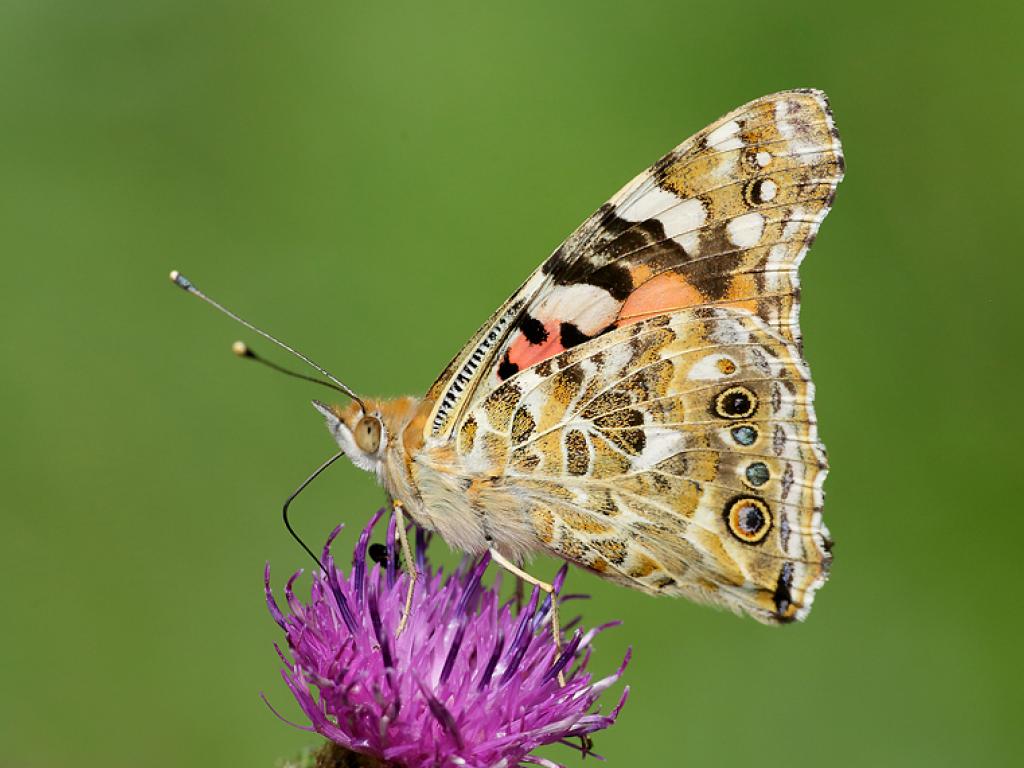
A few nights ago, as I lifted the grille, caught in the blanket of surface debris was what I assumed was an outstretched butterfly corpse. But as it got closer it twitched. So, for no other reason than it seemed the right thing to do, I deployed my bamboo pole which I use for moving along the debris, using it to scoop up the Painted Lady before it tumbled over the edge of the weir and off into the almost certainly fatal faster current of the river.


Almost as soon as I had laid it on the grass the butterfly started to move its wings, raising them together to a typical butterfly apex. But I could see the underside of the wings were covered in claggy, brown algae as was the clubbed antenna that protruded from the head; I say antenna because it has lost the other one which perhaps explains why it crashed into the lake by way of an attack or previous injury. 

A Painted Lady

For a while not much happened so, assuming a bit of a breeze might help it dry off, and maybe provide a launch pad, I lifted the butterfly onto a fishing seat. Taking a closer look, it seemed that not only were the wings covered in algae but also the antenna effectively rendering it blind, deaf and without the ability to smell or sense wind direction. I tried a blade of grass to wipe away the algae but that was useless. However, I did spot a downy pigeon feather which did the job, the butterfly soon flexing his or her wings in appreciation of my care, before starting to move confidently along the seat.


I did wait for a while to see it take off as I had other things to do. When I returned half an hour later the butterfly had flown the seat. Or at least I hope so. It is, of course, always possible that a bird ate it, but I am rather hoping that my rescue act was not in vain.

Meet us at Trout ‘n About this Sunday


I am not sure how exactly many years Trout ‘n About has been going but it is at least fifteen in which time it has grown from a cluster of stalls along one side of Stockbridge High Street to quite the operation which now, for the third year, sees the High Street closed to traffic this Sunday, 2 August from 10am-4pm.


It is a very special, and busy day, for all the business owners in Stockbridge who will be joined by a 100 plus stalls of local traders showcasing the very best of regional food, produce and crafts, attracting thousands of visitors. Trout ‘n’ About is a free-to-attend event, run entirely by local volunteers, although there is a small charge for parking to raise money for local good causes. 

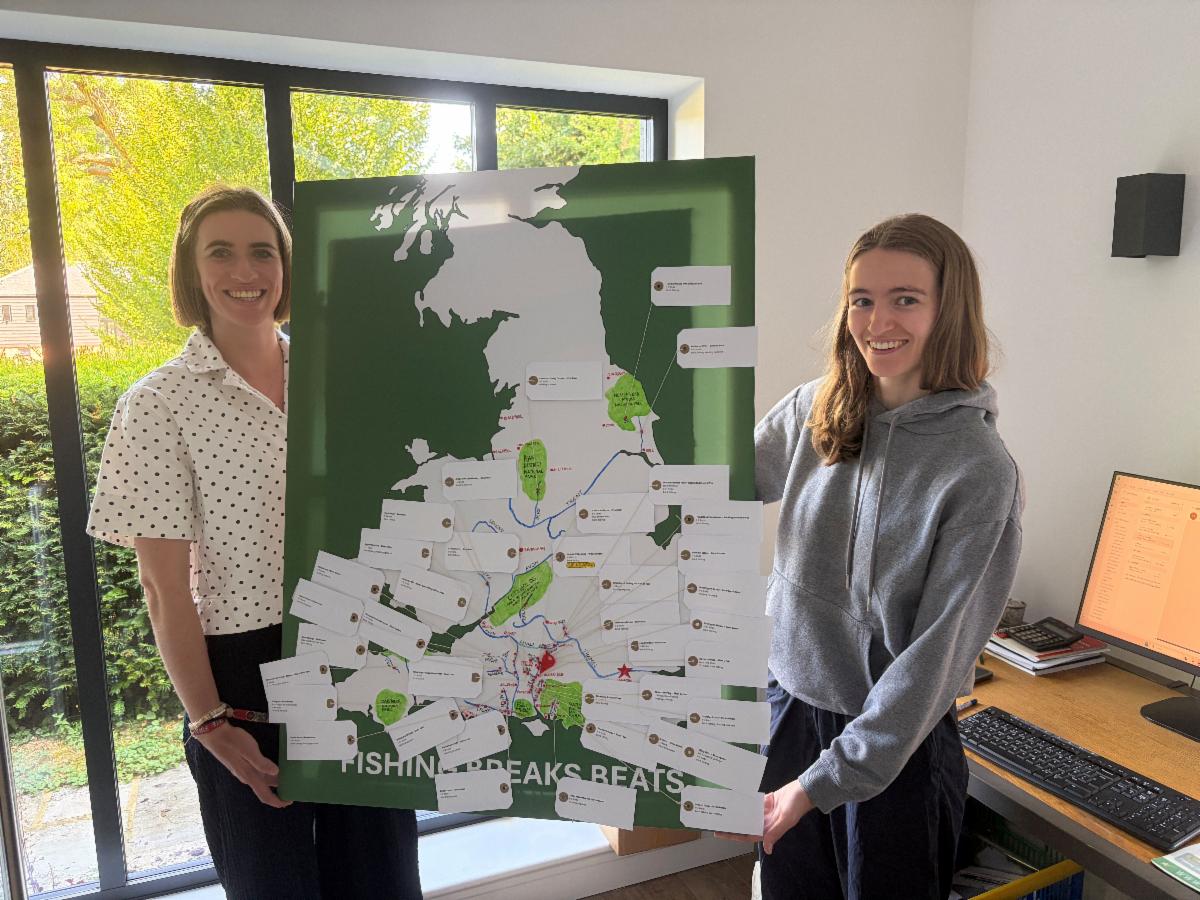
Lucy & Minnie with the Fishing Breaks beat map for the stand

Come and see us on the Fishing Breaks stand to say hello, enter our free draw and there will also be games for kids with prizes! We are close to Robjents, Orvis and the river. More details can be found on the official Trout ‘n About website.

The Drowned World


JG Ballard’s The Drowned World has been sitting in the drawer of my bedside table for longer than I care to recall but in the midst of the heatwave I felt its time had come, for it tells of a future (present?!) in which solar radiation has melted the polar ice caps and transformed London into a flooded tropical lagoon.


We meet the central character biologist Robert Kerans holed up in an air conditioned suite in The Ritz, only venturing out morning and evening (sound familiar) as the temperature can daily reach 150F. The extent of London’s plight is bought home to the reader by the fact that Kerans starts his daily research forays around the capital by untying his boat moored on the sixth floor balcony of his apartment. 

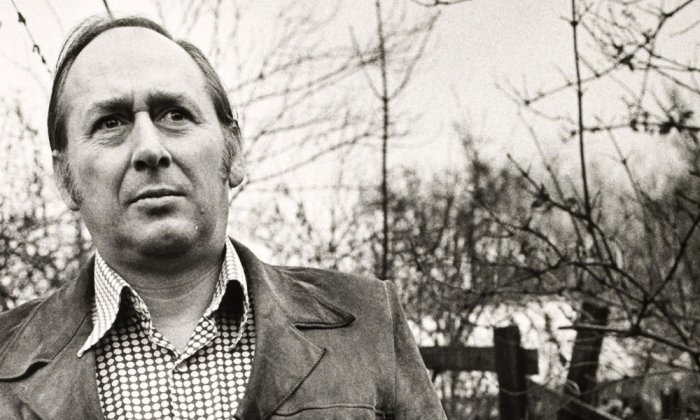
J G Ballard

The book, published in 1962, long before global warning or climate change were a thing, is not so much about the apocalyptic state of the planet, or indeed how it became such, but rather about the collapse of social order and the impact of living in an ever receding world on the psyche of the remaining inhabitants.


Reading the book I was struck by two things. Firstly, Ballard is a tough read insomuch as he barely wastes a word. Sometimes his heat narrative and my heat laden situation conspired to make me skim over a paragraph or two. Big mistake. You soon lose the plot; rereading required. The second is that if The Drowned World, published in the same year as Rachel Carson’s Silent Spring were warning calls, they did a pretty bad job.

That was the month that was July


I know it takes a certain amount of determination to head out fishing in this weather but truthfully, when I look through the catch returns for July, the results and comments are perhaps surprisingly upbeat.


But that is where chalkstreams trump all other rivers. It is not the rain that fell yesterday or tomorrow that counts but rather that which falls in the critical four months of November to February. I know time blurs the memory, plus the brownness all around makes us forget that we had a super wet winter that ran to almost the last day of March.


I have read a great deal of nonsense about water temperatures in the past few weeks with clubs and associations suspending fishing for no other reason than ….. well, they can. The simple fact is that fish in rivers, aside from a few isolated cases, fare perfectly fine despite the weather adapting to the conditions by feeding early and late whilst keeping out of the worst of the sun. Wise anglers do the same!


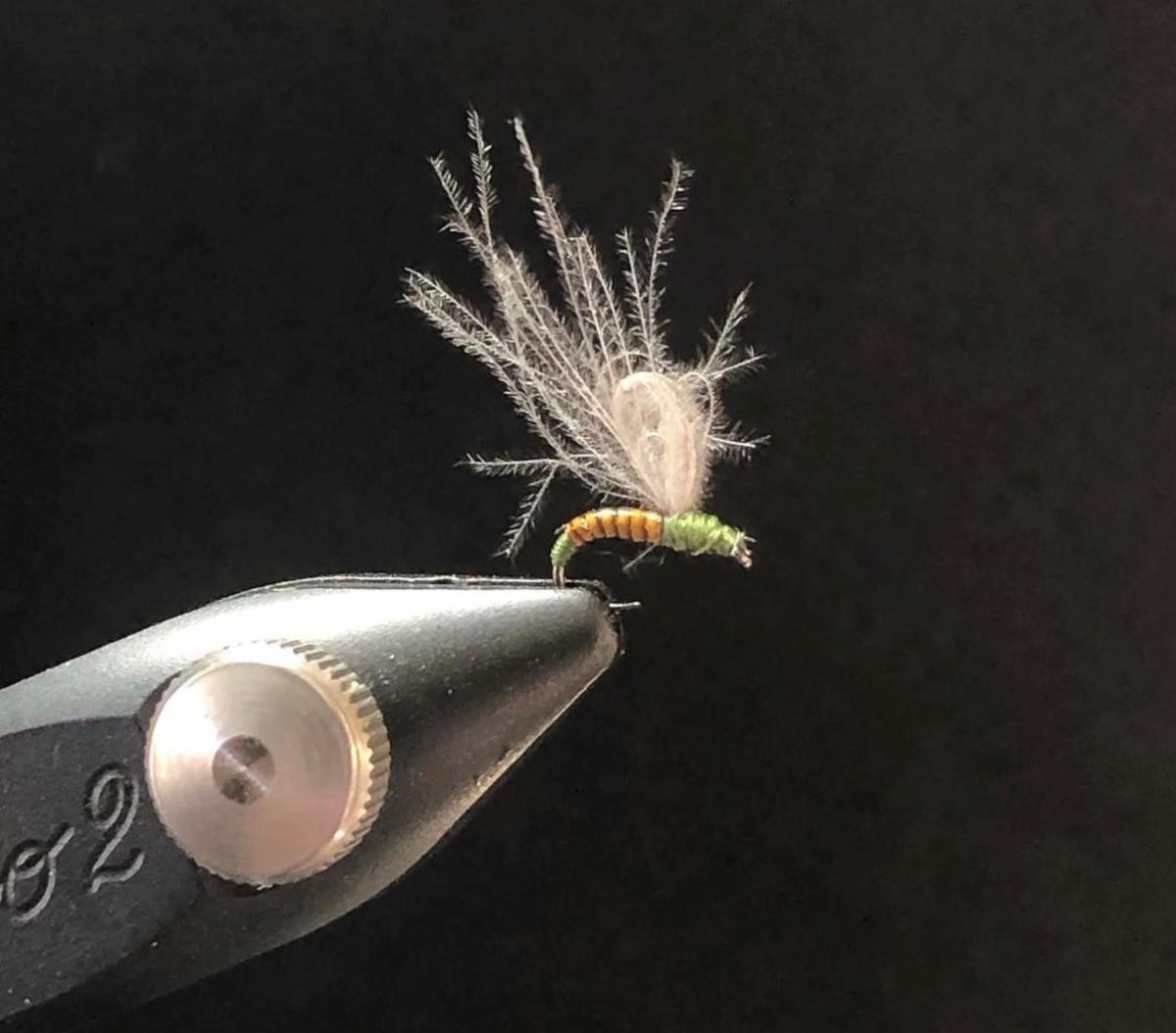
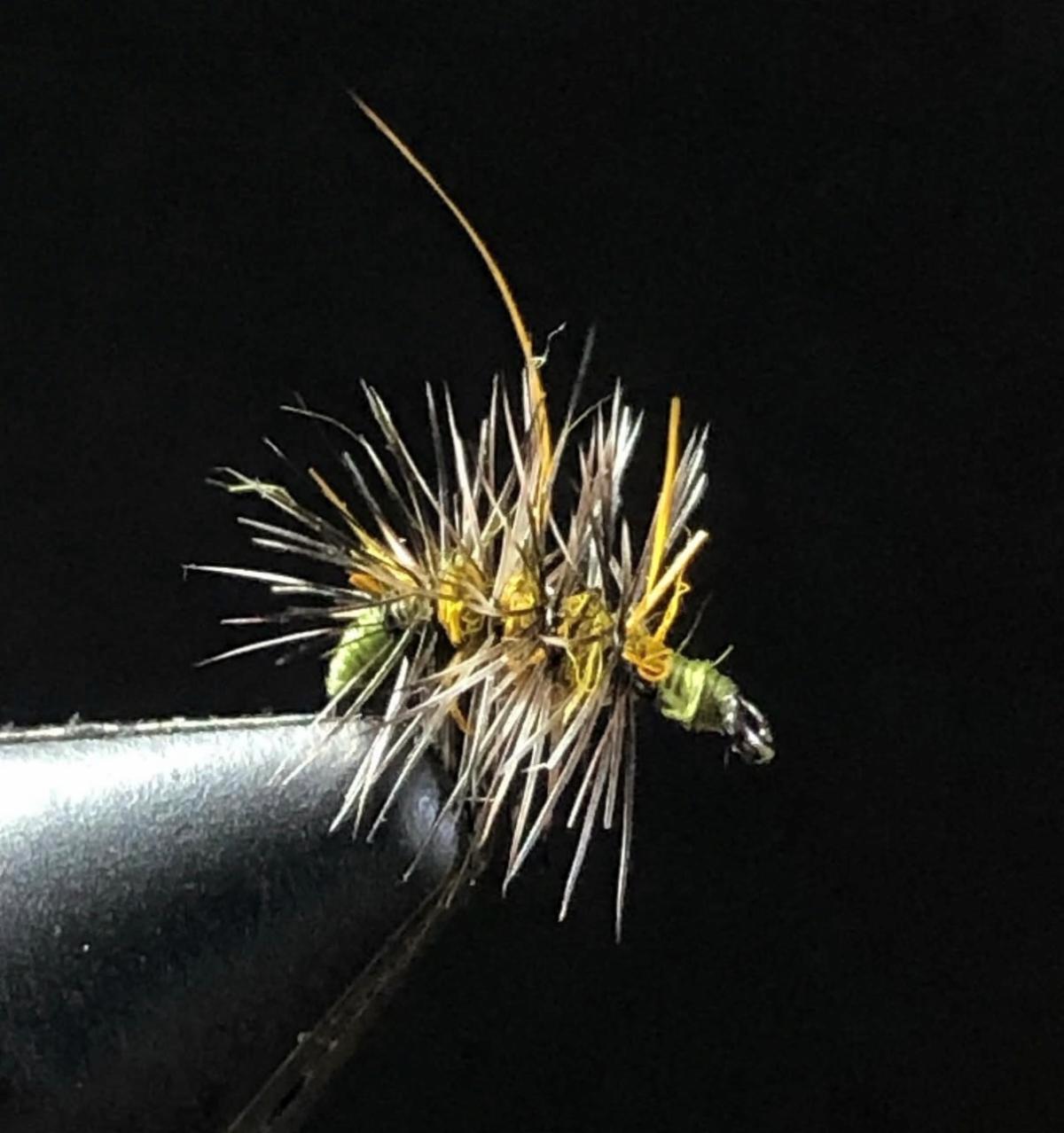
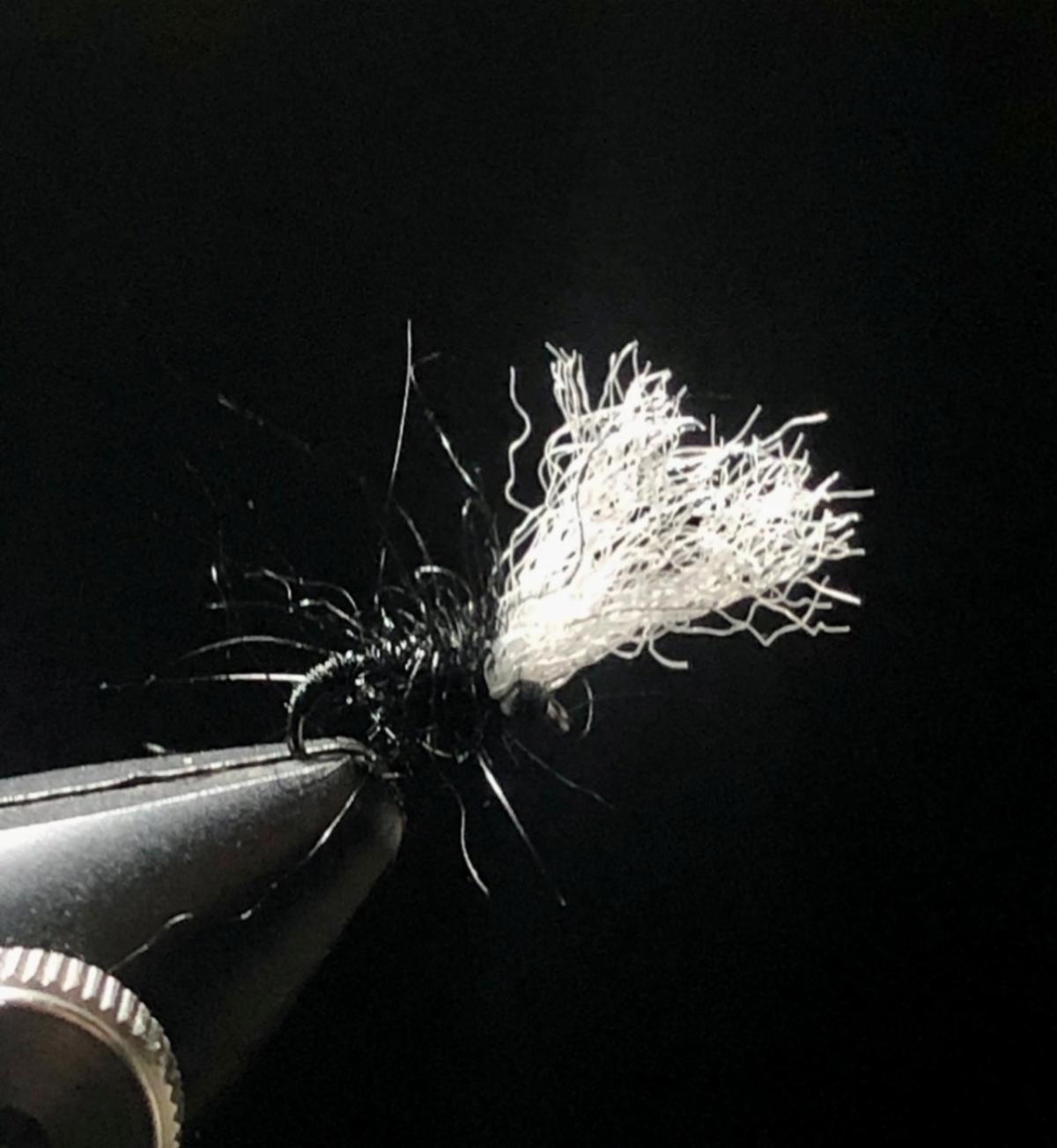
Anyway, August beckons with a selection of “Small and Deadly!” from our vice master Nigel Nunn on the way to the July feedback winner Paul Tindall who fished Kanara on the River Itchen.

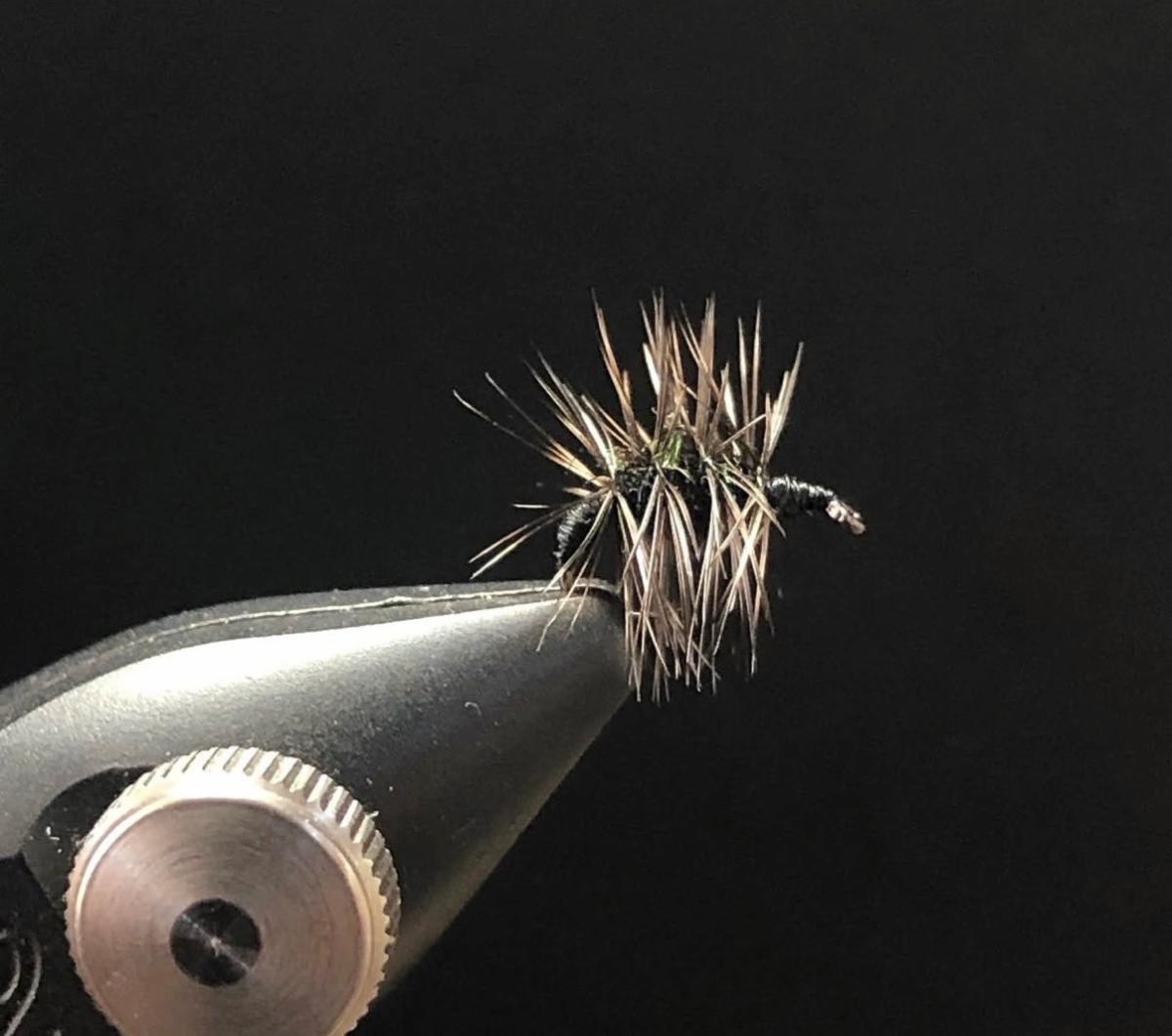
CBG #18: Crackle Back Gnat. Everybody needs a gnat! And this is a favourite of mine for both trout, grayling and coarse. 

OQL #20: Olive Quill Loop. A loop cdc fly with a a rough/buggy quilled body that gets inhaled by trout the world over.

OM #20: Olive Midge. Don’t be fooled by this scruffy little fly… it’s been described as an “absolute weapon!”.

IDSM #20: Ids Midge. Originally tied for Iceland, this shaggy black fly with a bright white wing post is now fished all over the world.

PS Just as an aside as we reach what will probably be a record dry July it is worth looking back to a hot but also wet June where rainfall was one third higher than average. So, on the back of that and the wet winter, southern England reservoirs are mostly fuller than they were this time last year and groundwater levels normal. 

Not another hosepipe ban


I think most seem to agree hosepipe bans are largely performative and if water companies issue them in the hope of looking good they are greatly mistaken; it is just another nail in the coffin of what is the public contempt of these essential utility providers.


As I have frequently said, the problem with water in Britain is not that we do not have enough of it (6 inches of our annual 32 inches of rain is all that is required to meet water need) but it is mostly in the wrong place at the wrong time. However, it is not a hard fix. A national grid of water, additional reservoirs and a few strategic desalination plants would do the trick. So, why do we not have anything other than a couple of new reservoirs in the pipeline? 


The fact is that for the past two decades the fight against ‘climate change’ as directed by government on businesses, quangos and institutions has been about addressing the causes of climate change measured against nebulous metrics rather than mitigating the effects on people. Typically you will see institutions such as the much reviled but still incredibly influential Environment Agency more interested in burnishing their net zero credentials (carbon neutral HQ anyone?) rather than getting clean, safe and plentiful water where and when it is needed.

Quiz


A short selection of questions based on the topics in this newsletter, the date today or something topical.


1)     Operation Banner comes to an end as the longest-running British Army operation ever on this day in 2007. In which country?


2)     How many resident species of butterfly are there in the UK? A) 58  B) 158  C) 258


3)     Did J G Ballard win the Booker Prize once, twice or not at all?


It is just for fun and the answers are below.


Have a good weekend.


Best wishes,

Simon Signature

Simon Cooper simon@fishingbreaks.co.uk

Founder & Managing Directorwww.fishingbreaks.co.uk

Quiz answers:

1)     Northern Ireland

2)     58 plus two regular migrants – the Painted Lady and Clouded Yellow

3)     He never won it and was only once shortlisted with Empire of the Sun in1984

No comments:

Post a Comment