Friday, 14 July 2017

A lifetime dream fulfilled

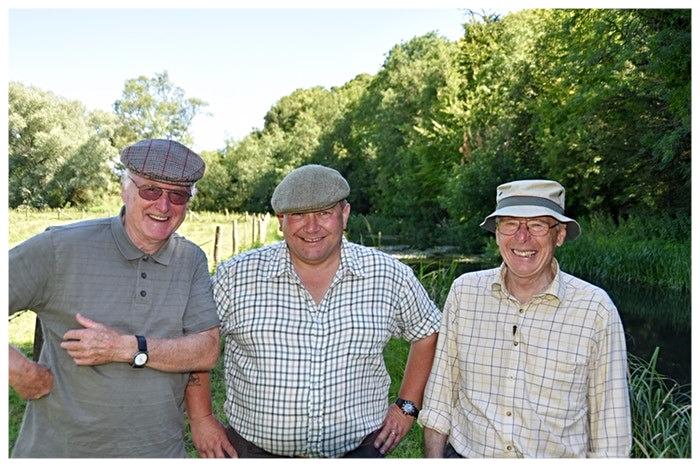
When a man you think you have never met leaps out of a pick-up and greets you with the words 'You won't remember me but you interviewed me for a job 17 years ago' fast comebacks are hard to come by. Guilt is also not very far away. Did the interview go so badly that I had made an enemy for life? Was this payback? Fortunately the demeanour of Martin Browne, river keeper for the Services Dry Fly Fishing Association (SDFFA), on the famous Army water of the River Avon, suggested otherwise as he warmly shook my hand.

Tim Sawyer, Martin Browne & Tony Wells
Funnily enough, though I confess I did not immediately recognise Martin in person, his name had rung a distant bell when I saw it on the cast list for CHALK. 

Way back in 2000 he was working on a fish farm and I was looking for a keeper for Bullington Manor which I had just taken on with full management at the retirement of the incumbent keeper. Being a bit tight I reckoned that 2-3 days a week would be enough for a younger man - oh, I was such an innocent back then. The current keeper Simon Fields has his work cut out with the full five. So, it turned out that my part-time job wasn't what Martin needed, which was bad for me as he is clearly a really good keeper but good for him as there are not many better billets than Frank Sawyer's famous water.
Of the twenty or so filming days for CHALK this was one of the few I was determined to attend. I have only ever stolen glimpses of this part of the Avon from bridges and handy vantage points. Just to walk the banks of the river that Sawyer stewarded from 1928-80 was enough for me - I didn't need to fish. All I needed to see is what Sawyer saw. I did, I have and now I am happy.
If that wasn't sufficient we were also blessed with the company of Frank's only son Tim (he had three daughters as well) who is retired and at 71 lives on the outskirts of Salisbury. Tim didn't follow his father into river keepering - not well enough paid and damn hard work - his words not mine! Instead he went into forestry, travelling the world before eventually returning close to his birthplace.
I don't want to pre-empt what we show in CHALK but the interview with Tim Sawyer gave a loving and fascinating insight into Frank Sawyer, the man most never knew. Tim took us to the place he caught his first ever fish, perched on the shoulders of his father, in the shadow of Netheravon church and the self-same spot where Frank died in 1980.
I have a feeling this may be one of the centrepieces of the film and a special word of thanks must go to recently retired SDFFA Vice-President Tony Wells who made the visit happen. It is a day that fulfilled a lifetime dream which will live with me for a very long time.
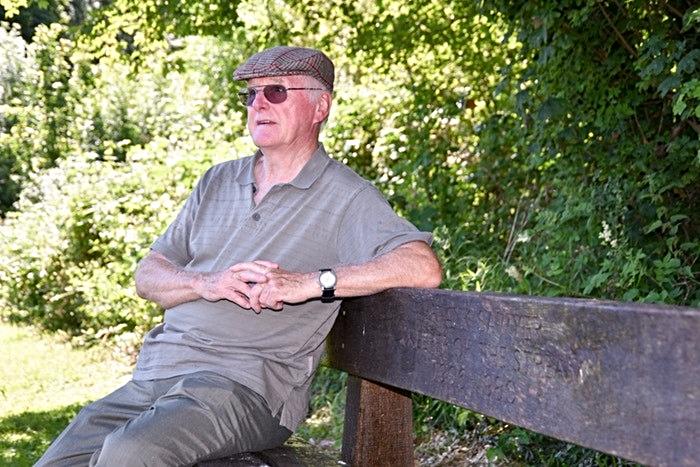
Tim Sawyer on the bench that marks the spot his father died


CHALK UPDATE


Well, June was a busy month for the CHALK team, with Chris and Leo visiting the Rivers Itchen, Frome, Test (thrice) and the Avon since the last update. 


We're really starting to get into the meat of the project now, interviewing some of the people with the strongest connections to the chalkstreams, whether they're river keepers or those with a more personal connection to the history of the rivers and our sport. But we've also been fortunate enough to host several more of our guest anglers and contributors, including one of our corporate sponsors.
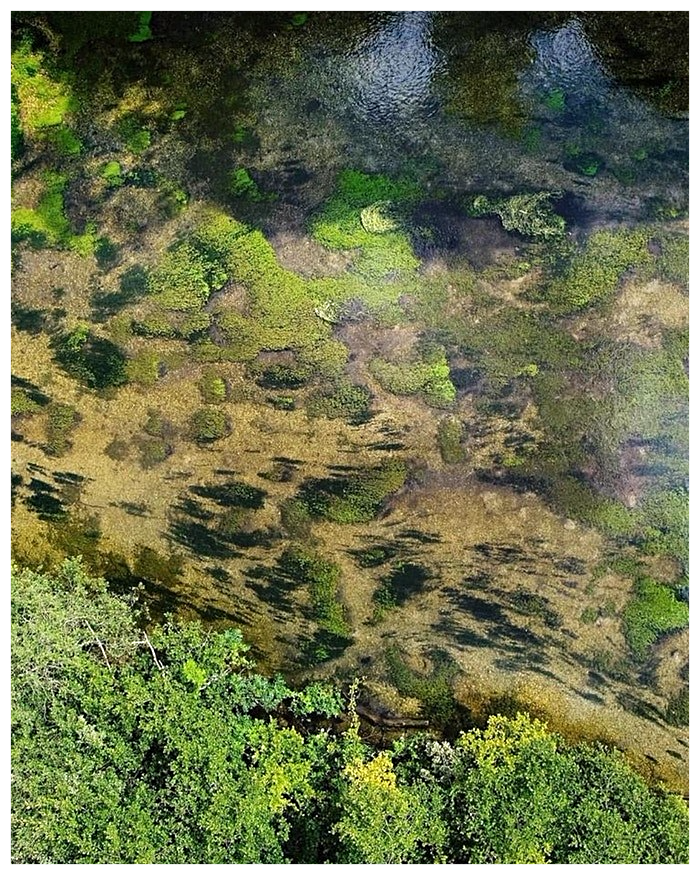
River Itchen from the air


The first stop was a private beat of the Itchen with actor and charity fundraiser James Murray who had kindly offered up a day of fishing on his stretch of river as a reward for a Kickstarter backer. The person who snaffled this particular reward was Mark Husson, who was not only blessed with great conditions on the day, but also benefitted from the guiding skills of Get The Rods Out owner Simeon Hay's guiding skills. It also happened to be Simeon's birthday, and he kept up his personal tradition of always catching a birthday trout.


Neil Swift
Next the road show moved on to Motttisfont Abbey for a short day of filming with the National Trust's river keeper Neil Swift who has the solemn task of maintaining the very water where Halford spent his summers - it should make for a fascinating segment. He talked to us about one of the most important parts of his job, one that's carried out up and down the chalkstreams, the weed cut; as well telling us about Halford's time on his patch.


From the perfectly manicured to the downright wild, the next stop was the Frome in Dorset where guides Tony King and Ian Pople battled the bushes as well as the fishes. As with last month's Wandle shoot, we're keen to make sure that we show the chalkstreams in all their wonderful variety, and not just the pristine posh bits. 


This was a chance to get to find out how two real chalkstream experts make their approach to the water, and what it is that makes a professional guide go fishing on their day off! They talked techniques, watercraft and about the Frome's legendary big grayling.


After a much needed break for a week the end of June saw one of the most enjoyable filming days so far when Chris and Leo headed to the famous Broadlands Estate. They were joined by guest angler Brian Norman, FishingTV star Rae Borras and, most excitingly, Imogen and Edward - pupils from Prince's Mead School, which you may be interested to learn also educated your correspondent's father, youngest brother and little sister - all supervised by headmistress Penn Kirk. I'm told that both kids did brilliantly but that Miss Kirk had her work cut out with keeping Rae under control, much to everyone's delight. 


Imogen, Jon & Edward
Jon Hall, the keeper was on hand to share his wisdom with the kids and the cameras, as well as to talk about the importance of entomology to fly fishing, and the history of Broadlands. It was great to have the next generation of fly fishers involved and to see the enthusiasm they have for the sport - we think it is in good hands. The two youngsters were on a mission to land their first ever brown trout: to find out if they succeeded you'll have to wait for the movie to come out!


Finally, the chaps had a real privilege last week when they paid a visit to the Avon in the company of Team Wychwood anglers Glen Pointon and Steve Cullen for a masterclass in nymph fishing. The Services Dry Fly Fishing Association, to whom we are very grateful for allowing us to come and film, controls the particular water they were fishing, and we were able to meet and speak to the keeper Martin Browne, and the club's recently retired Vice President Tony Wells, both mines of fascinating information.


What I've not said, is that this is what might be called the 'Sawyer Water', and that we were lucky enough to meet Frank Sawyer's only son Tim, who gave a moving interview about his family life and memories of his father. We learned all about Sawyer Senior's work in restoring the Avon, his life as river keeper and in the media as a journalist and television presenter. To top it all off we were shown some of the earliest examples of Sawyer's now ubiquitous Pheasant Tail Nymph, tied by the great man himself - talk about getting close to history! 

And just a little more news for you all - we have now booked the cinema for the premiere. We will be sending out proper invitations in the near future to those backers whose reward includes an invitation to the premiere, but for the time being, pop this in your diary. Thursday 23 November 2017, The Prince Charles Cinema, Leicester Square, London. Now, anyone know where to hire a red carpet?



Thanks to George Browne at FishingTV who posted this update to Kickstarter on Wednesday and kindly allowed me to reproduce it here.


10 CASTLE STREET


It must be because the best fishing is in the most out-of-the ways places that I often struggle to find top notch places for you to stay within handy striking distance of the rivers. However occasionally a gem pops up.
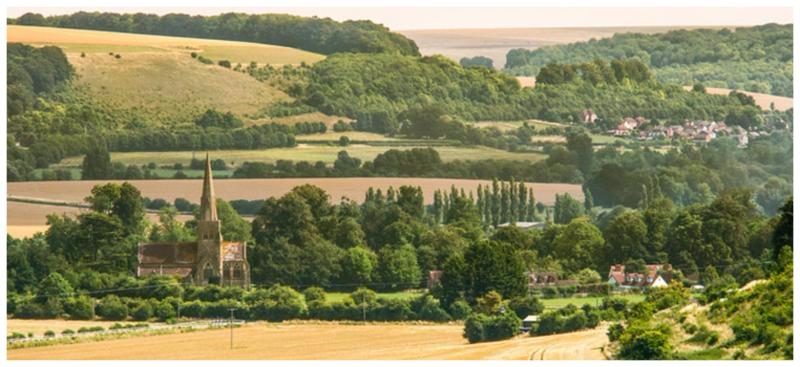
It is not a name you will often hear banded about but there is a pocket of southern England that goes by the not very romantic title of the Cranborne Chase Area of Outstanding Natural Beauty (AONB) taking in the overlapping boundaries of Wiltshire, Dorset, Hampshire and Somerset which includes the chalkstreams Allen, Nadder Stour and Wylye, along with some obscure Avon tributaries.
Hurtling west on the A303 you will probably have passed through this AONB without ever realising it but turn off the highway and you will find yourself amongst rolling chalk downland and ancient woodland. Guided by the spires and towers of village churches the country lanes take you from one sleepy habitation to another, to occasionally pause your weaving journey on the narrow hump-backed bridges to glimpse the sparking streams. Time seems to belong elsewhere.
Why has it turned out this way? Well, I am no socio-economic historian but my best guess is roads. Look at the map and you will see that Cranborne Chase AONB is bounded by roads with the exception of the A303 that goes straight through it. In essence that thing we call progress either went around or through but never stopped. Many might say that is a bad, and maybe it is most times, but not always.
10 Castle Street
So, if you have a chance to stray from the well driven path follow those lanes to Cranborne, the perfect guidebook village tourists never find. Two pubs, a village shop, the poshest garden centre on the planet and the newly opened 10 Castle Street. The Telegraph described it thus:
" ......a hotel, restaurant and private members' club combined, Babington and Soho Farmhouse-style, but on a smaller scale and much more affordable ...... it's great, because it is a hotel that doesn't feel like a hotel".

I have visited and it really is gorgeous. If you want somewhere lovely to stay and still have money left for fishing you will not do better. www.10castlestreet.com


QUIZ
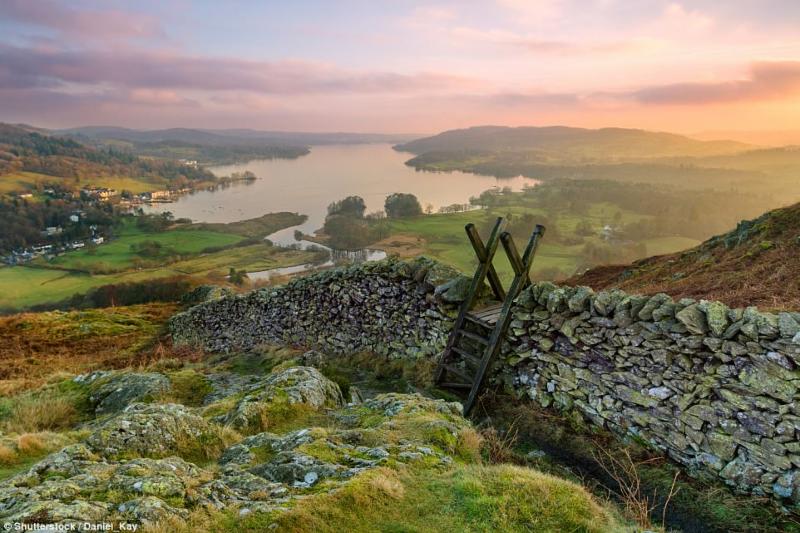

The theme this week is the UK's 15 National Parks. It is just for fun and the answers are at the bottom of the page.


1)   Which National Park was listed last week as a UNESCO World Heritage site?


2)  Which are the biggest and smallest National Parks measured by land area?

3)    When was the first National Park designated?


Have a good weekend.


Best wishes,
Simon Signature 
Founder & Managing Director  

Quiz answers: 


1) The Lake District (pictured)  2) The Cairngorms is the biggest and the Norfolk Broads the smallest  3) 1951, a full 20 years after a government inquiry recommended their creation.

Friday, 30 June 2017

Dateline: Covent Garden

Nether Wallop Mill, Hampshire Friday June 30th 2017


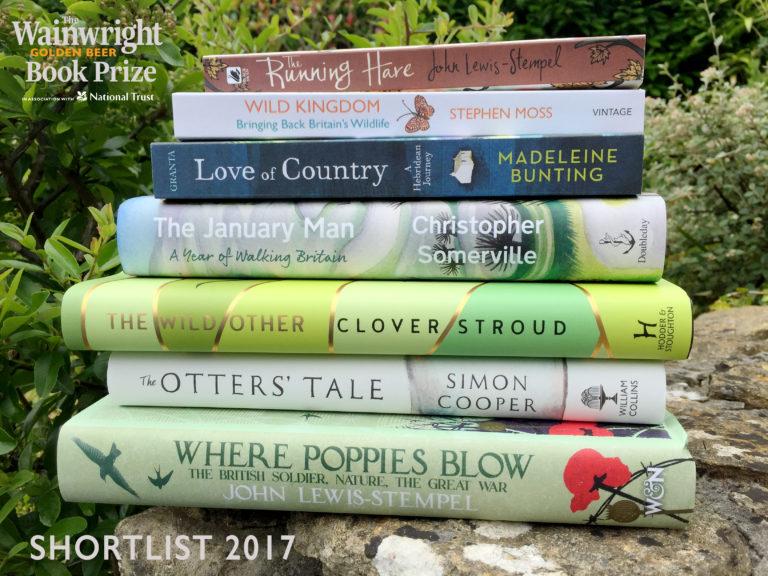
So, it was off to London, more specifically Covent Garden, on Tuesday evening for the announcement of the shortlist of the Wainwright Book Prize which was hosted at the famous Stanfords bookshop on Long Acre.

For those of us with long memories (i.e. pre-internet) Stanfords holds many fond memories for it was always more than just a bookshop. It was, and is, the repository of just about every travel guide on the planet. If you were going anywhere slightly off the beaten track, you headed for Stanfords. 

Shelf upon shelf of guides would enlighten any upcoming trip, promising to show you places passed over by the masses. And that was before you even ventured into the map section, a cartographic cornucopia for anyone raised on the delights of Ordnance Survey maps.

I can't pretend I am a regular at literary occasions so I did ponder a bit what to wear, in the end plumping for my best fishing suit. Now this is a spectacularly good bit of cloth if you need protection from brambles, downpours and the general perils of the river bank. Not so good I must say for a humid Piccadilly line. You also get some very odd looks. I was a bit reminded of an eccentric Lord in a PG Wodehouse novel who travelled to town in what were essentially his gardening clothes. He bumped into an acquaintance who was appalled that he was looking so scruffy.  

'Don't worry a bit', said the Lord, 'I am perfectly fine, nobody knows me here in London.', and on the back of the chance meeting invited the other to his country pile. Taking up the invite the man arrived the following weekend by train, met at the station by the Lord who was wearing the identical clothing to when they last met. 'My goodness', said the visitor, 'how is it you are wearing the same clothes?' 'Ah,' said our Lord, 'Don't worry a bit. Everyone knows me here in the country.'

But I digress as it was down into the familiar travel section of Stanfords for the press reception. I must admit I haven't met many other authors who do what I do, namely nature writing, so it was slightly disconcerting. You are both at once bound together by a common bond, but in this particular instance, divided by competing for a prestigious prize where only one can win. And I most definitely felt the junior partner as it seems the most common question one author asks of another (after Who is your publisher) is How many books have you written? Err, two I say and I stopped reciprocating  the question when the first three shortlisted authors replied 'forty', 'twenty two' and 'something over thirty'.

So after some press photographs, a TV interview and general gladhanding the announcement came: The Otters' Tale was on the shortlist for The Wainwright Golden Beer Book Prize. I am astonished and delighted in equal measure and now have a July to spend on tenterhooks until the winner is revealed at the BBC Countryfile Live Festival at Blenheim Palace on August 3rd.


For more details of The Wainwright Prize click here .....


GRAND TOUR UPDATE

Well, we did it! I have to confess to being nervous on the last leg of the Compass Tour with a 100% record thus far. Would the River Bride in that sleepy westerly tip of Dorset offer up a fish to make us 4 for 4? 

It did, with five in all in a magical two hours post-lunch. I am not sure I would have done it without the guidance of Wessex Rivers supremo Richard Slocock who unerringly put me on the best spots. I started small with a s22 Adams figuring that the native browns were canny. But none of that worked. They are more greedy than wise with a bushy s14 Gray Wulff attacked with vim.

So that is the Tour complete. Mission done. Covering 1700 miles in 10 days we have crisscrossed England and northern France. On all four points of the compass I have caught a brown trout, on a dry fly, on the extreme points of the chalkstream universe. What next?


River Bride, Dorset


JUNE RIVER REPORT & FEEDBACK DRAW WINNER

It was a dry winter, and has been in general, a dry year thus far. I would not say the rivers are suffering significantly but the levels are a few weeks ahead of what you'd expect in a normal year. So if you think August during July you will have a pretty realistic expectations. 

I suspect when we write the book on 2017 the highlight will be the Mayfly. Many said this was the heaviest hatch in a generation though it was in some places short, but oh so intense. 

Interesting as we come to the end of June Ephemera danica are still hatching in noticeable numbers. I was on the River Nadder on Sunday and even put on a few big mayflies by way of experiment. In truth they were not much interested though one fish took pity on me to grab a sodden French Partridge.

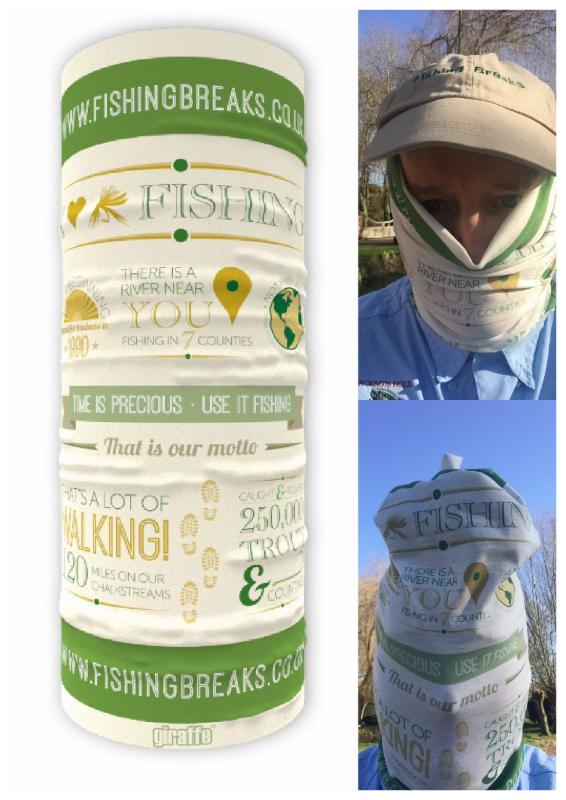
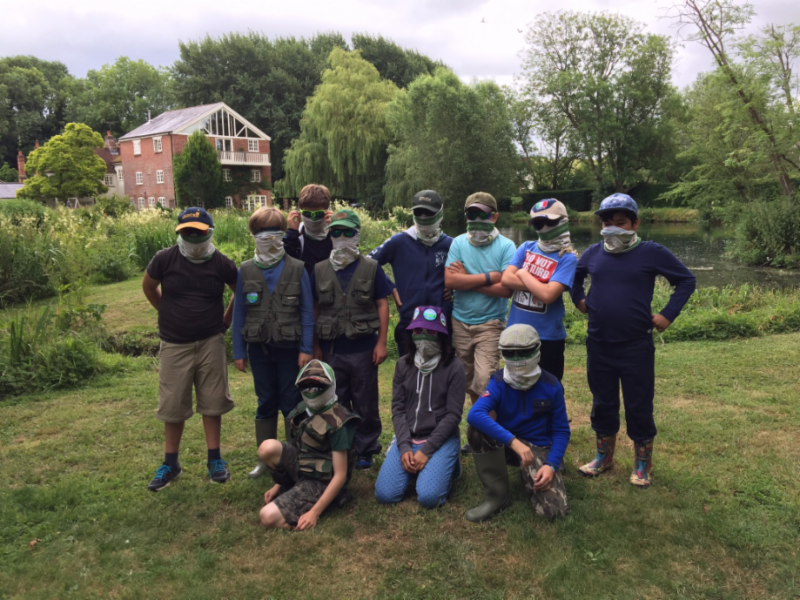
I am not sure whether I have created a cohort of fly fishers or bank robbers as the Prince's Mead School gang found a novel use for the Fishing Breaks snoods on the final day of the summer Fish Camp. Sad to see some of you for the last time as you head off to new senior schools - good luck and come back very soon.


The winner of the Fishing Breaks snood is Aubrey Harrison a Parsonage regular; in the post. Everyone is now in the end of season draw for the Abel TR1 reel. Good luck!


QUIZ

No theme this week, just a random selection of questions. It is just for fun and the answers are at the bottom of the page.
1)      If an apex is the highest point of something what is the vertex?

2)      When did the wholesale fruit market move out of Covent Garden?

3)   Two OS Map woodland symbols. What type of wood does each denote?


Have a good weekend.


Best wishes,
Simon Signature 
Founder & Managing Director  


Quiz answers: 


1) A point where two or more curves, lines or edges meet.  2) 1974  3) Left: Coniferous. Right: Non-coniferous.

Saturday, 17 June 2017

The Grand Fishing Tour

As you read this I will be heading down the narrow country lanes on Dorset en-route for the most westerly chalkstream on the planet. At my side will be my American photographer friend, Ken Takata. 

Regular users of the Fishing Breaks web site, readers of this newsletter and various of my magazine articles will be very familiar with many of Ken's stunning images as for five of the past seven year he has spent two summer weeks with both rod and lens here in the UK. 

Together we have covered many thousands of miles but he will, at this very moment, be gripping the passenger door handle as if his life depended on it for he still cannot get his head around English roads that are only wide enough for a single car. He is right, of course. It is a very bizarre concept to hurtle along roads designed for the days of horse and cart, relying on hope and instinct rather than any highway code.

River Bure - Norfolk

Ken has finally stopped asking 'what happens when we meet another car?' I think he has given up on my convoluted explanation of that careful etiquette country drivers regard as sacrosanct: i.e.  whoever is in closest reversing distance of the nearest passing spot gives way to the other.  Of course this tends to collapse when met with some huge piece of agricultural machinery or an Ocado van driver who took the day off on the How to Reverse a Van section on the induction course, thus rendering even the shortest backward movement too painful to watch. In the end it is easier to trade quarter of a mile in your own reverse gear than see another Iveco van gearbox being ground to oblivion.

Upper Seine - France
Today marks the last leg in our Compass Tour; 1700 miles on the road stretching from the Yorkshire Wolds to the Champagne region of France, all in an attempt to fish the geographical extremes of the chalkstreams. 

At a later date I will tell you how we outwitted the Yorkshire trout of the Foston Beck, East Anglian wildies in the River Bure, their Gallic counterparts on the Upper Seine and hopefully we will fill the card on the River Bride but regardless of success or failure today the past ten days has cemented my belief in the total wondrousness of chalkstreams.

I am beginning to think Frederick Halford, the man to whom we owe the concept of modern day fly fishing, was one of the greatest pushers of all time.
Steelhead fly fishers like to say the tug is the drug. Well, if that is true (it is) then dry fly fishing is the crack cocaine of our sport. I know there is great artistry in a well executed Spey cast. I understand the sublime beauty of azure saltwater flats. But that moment when your perfectly presented floating fly is engulfed by a mouth from below is a high like no other. 

For a fraction of a second you are a total master of the universe. Add all those fractions of a second together even across the most successful fishing lifetime and the full measure will be no more than a minute or two. The transient nature of success matters not. It is the manner of the success and it's very fleetingly nature that draws us all back to the river bank time and time again. Bad trips (pun intended) are wiped from our memory just as soon as we have the next good trip.

We are addicts to something few understand; probably better it stays that way.


A WEEK IN THE LIFE OF THE OTTERS' TALE

The Otters' Tale has struck something of a purple patch as May morphs into June. 

Firstly, Country Life magazine gave me a glowing review Michael Wigan described the book as "This scrupulously accurate, limpidly written book is that rare thing: it teaches, inspires and entertains" I have to admit that the word limpidly sent me scurrying to dictionary corner a little worried that it may not be an entirely flattering word. But all was well, as it means in a clear and lucid manner

A few days later the PR guru at publishers Harper Collins sent me an email of high excitement; Otter's Tale had been reviewed in the Times Literary Supplement, the publication of record for the print trade. I am not sure I have ever read the TLS in my entire life but since they described my book as "The best popular account of the lives of otters written so far". They now have a subscriber for life.

Could it get any better? Well, actually yes. The following day yet another email from publishing HQ that I had been nominated for, and on the long list for The Wainwright Golden Beer Book Prize. This annual award, in association with the National Trust and BBC Countryfile celebrates the very best books published each year in nature and travel writing in the UK.


With £5,000 up for grabs and plenty of attendant publicity, including the announcement being filmed by the BBC at the COUNTRYFILE LIVE event at Blenheim Palace August 3 it is just wonderful to be in contention. The current longlist of twelve is to be whittled down to a shortlist of six, the half dozen finalists announced on June 27. 

I will keep you posted.


CHALK THE MOVIE - NEWS FROM THE SET

Things are moving on apace with CHALK - we already have seven days of filming under our belt, with another thirteen to go. George Browne at Fishing TV is posting regular updates on our Kickstarter page; here is the latest.

If there's one thing the chalkstreams are famous for it's the fabled 'Duffers' Fortnight' that usually falls around the end of May. It is the time of year when the mayfly hatch en-masse, and the trout go crazy - the name means that any fool should be able to catch. 

It is only fitting, then, that when Chris Cooper and Leo Cincolo (the filmmakers) headed down to the River Dun in the third week of May they were greeted by what the owner of the beat described as 'the biggest mayfly hatch [she] could remember.  The guys took full advantage of this natural phenomenon, capturing some really exciting, stunning sequences.

Last week the chaps were out on the river bank again - on the River Test - this time in the company of our first two groups of guest anglers. On Tuesday we were joined by John and his wife Carole, and by Mike, all keen fly anglers and excited to be taking part in the day. John and Carol have been fishing the chalk for ages, and John even brought his beautiful split-cane rod with him, as well as the latest volume of the fishing book that he has kept for decades. When Carol's not fishing or the fish aren't biting she likes to do sketches and drawings on her tablet.


For Mike, on the other hand, it was only his second chalkstream experience, and his first at mayfly time. He had to wait until quite late in the day, but he got to fish the hatch in the end. Wednesday saw our second group of guest anglers. This time it was Graham, a South African now living in the UK, and Digby. Both are regular chalkstream anglers and had a wealth of great stories to share with us, and Digby also brought along the second split cane rod of the film so far - I wonder how many we'll see by the end of filming.

At the end of the week Chris and Leo met up with another guest angler - Chris -and Damon Valentine, aka "The London Flyfisher" for a shoot on one of the more unusual and interesting chalkstreams, the Wandle, which flows through London. You'll have to watch the film to find out if they've located a trout in this river that's slowly being restored to former glories.

To everyone's great relief we have some really important shots and sequences in the can already, as well as some lovely drone footage so things are progressing nicely. Chris and Leo are out and about quite a lot over the next month or so.

In other news, we're in the process of finalising a venue for the premiere - we've got a great place lined up, so watch this space for further announcements. Anyone like Sloe Gin?


JUNE WEED CUT

The June weed cut is in its final few days; by early next week all the rivers will be back to normal.

Mottisfont Abbey - River Dun beat
Bit of an odd year weed-wise. On some sections definitely a below par season thus far, with the weed growth never making up for lost time after a dry winter. On the other hand tributaries of the Test such as the River Dun were overwhelmed. We had to deploy a team of four to break the back of the Dunbridge beat; normally a leisurely team of two will crack through it.

The photo was taken by National Trust Mottisfont Abbey river keeper Neil Swift who is justifiably proud of his handiwork on the Dun beat. This is a textbook example of what we call a chequerboard cut. That is to say the white squares are cut clear of weed, to create a zigzag flow pattern that speeds up the current, which is great for both trout and bug life, whilst optimising the holding spots for fish.

You will sometimes see the weed cut in bars stretching across the full width of the river. This is a great way to preserve water depth, but not quite so good in other respects as it can encourage silt build ups and offers fewer opportunities for the angler. 

If you'd like to follow Neil via Instagram here is his link. 


QUIZ

The longest day and shortest night coming up, so get your Druid outfit out to head for Stonehenge.  A few celestial questions  to match the upcoming summer solstice - it is just for fun with answers at the bottom of the Newsletter.

Where is this?
1)  What is a tropical year?

2)  How long (in hours and minutes) is the longest day on June 21st?

3) King Arthur Pendragon (Druid Party) who lists his address as Stonehenge, Wiltshire stood in the recent parliamentary election to become the local MP. How many votes did he get?

4) The summer solstice is not always on June 21st; it is occasionally on June 20th or 22nd. The last time it was on June 22nd was 1975. When will be the next time?

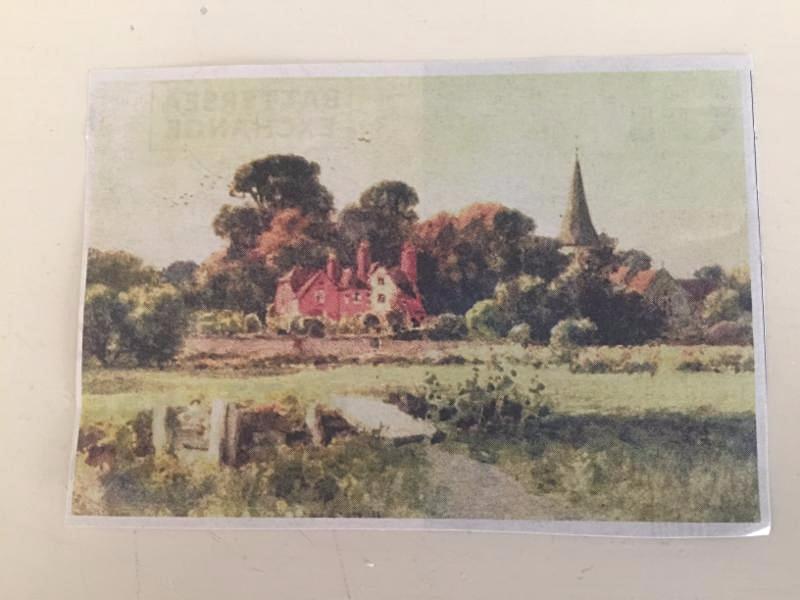
5) This watercolour from 1900 was featured in the Sunday Times over the weekend. Which River Test beat is it?


Have a good weekend.


Best wishes,
Simon Signature 
Founder & Managing Director  


Quiz answers:
  
1)  The time it takes the Earth to orbit once around the Sun. It is around 365.242199 days. 
2)  16 hours and 38 minutes. 4.43am - 9.21pm. 
3)  415 (0.7% of the poll) which was down on his 729 in 2015 
4)  2203. Not exactly one for the diary ......
5)  Whitchurch Fulling Mill