|
As Mark Twain might have said, the
reports of chalkstreams beyond the shores of England and France have been
greatly exaggerated. Over the years claims have been batted away from
New Zealand, Pennsylvania USA, Slovenia and Russia to name but a few. It is
not that chalkstreams have some sort of jealously guarded champagne style
trademark but rather they have very precise geomorphic conditions
associated with them. A river may have many apparent chalkstream conditions
for example clarity, depth, speed of flow or a gravel bed, but other less
visible aspects such as source of water, underlying geology, temperature or
alkalinity of the water may differ from the real deal.
I know I may well be preaching to the
choir, but here is a rapid-fire explanation of how a chalkstream works. As
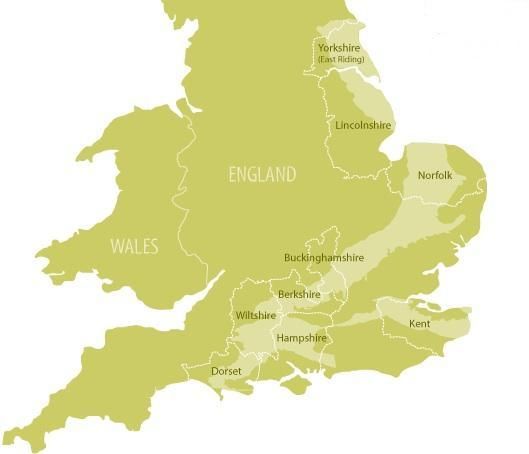
you will see from the map, the English chalkstream region runs from
Yorkshire in the north, to East Anglia and Kent (think white cliffs of Dover)
in the east, to Dorset in the west. In the light green areas the
chalkstreams are fed by rain that falls on chalk downland, primarily in the
winter months, that is absorbed into the porous calcified rock, that
filters, chills and stores the water until the chalk is full to bursting.
At this point, the water pops out as springs, the many millions of those
springs aggregating in a constant flow to make a river.
|
|
The chalkstream regions of England & Wales
|
|
Think of it this way; imagine a chalk
down as a giant, bone dry sponge. As the rain falls the sponge gets
progressively more and more full of water until it starts to run out at the
base. At that point for every drop in, you get a drop out. That is how chalkstreams
work in an oversimplified way. Of course, they have additional sources of
water such as run off or snow melt but generally 4/5ths of the water you
see in a chalkstream at any given time will have emerged from the aquifer
at a constant rate and a constant temperature of 10C/51F just a few hours
earlier. In a day or two at most this pure water will have spilled into the
sea or flowed into another river.
So where was this other country?
Well, for some years a keen group of fly fishers in Denmark had been
preserving and improving a handful of rivers that they believed to be
chalkstreams. So, I made the ultimate sacrifice by taking a Ryanair flight
from Stansted (I know many will feel this particular pain) to Alberg in the
north of the country to check them out.
It is to my eternal shame that it is
only in the seventh decade of my life that I have gotten around to visiting
Denmark; I was really quite taken with the county. The huge sand dunes
along the coastline. Picture book fishing harbours with houses in bright
colours. Rolling countryside, a cross between Wiltshire and the Fens.
Ancient stone circles as old as Stonehenge. Even Alberg, the second city of
Denmark and relatively modern, felt softly urban. In the park below our
hotel bang in the city centre, hares, yes hares, grazed on the lawns.
|
|
Now, here is the thing. Nearly
everyone I met both before, during and after the trip assumed I had visited
for the sea trout fishing. It is, but all accounts, along the north eastern
coastline of Denmark, pretty spectacular. Nobody, but nobody, but for the
coterie I met up with, had ever heard of these chalk rivers. In fact, I
think most people thought me slightly mad to have travelled all that way
and not go sea trouting. However, I was not the first Englishman in search
of a Danish chalkstream trout; Ollie Kite, he of Kite’s Imperial fame and
protégé of Frank Sawyer, had visited in the 1960’s.
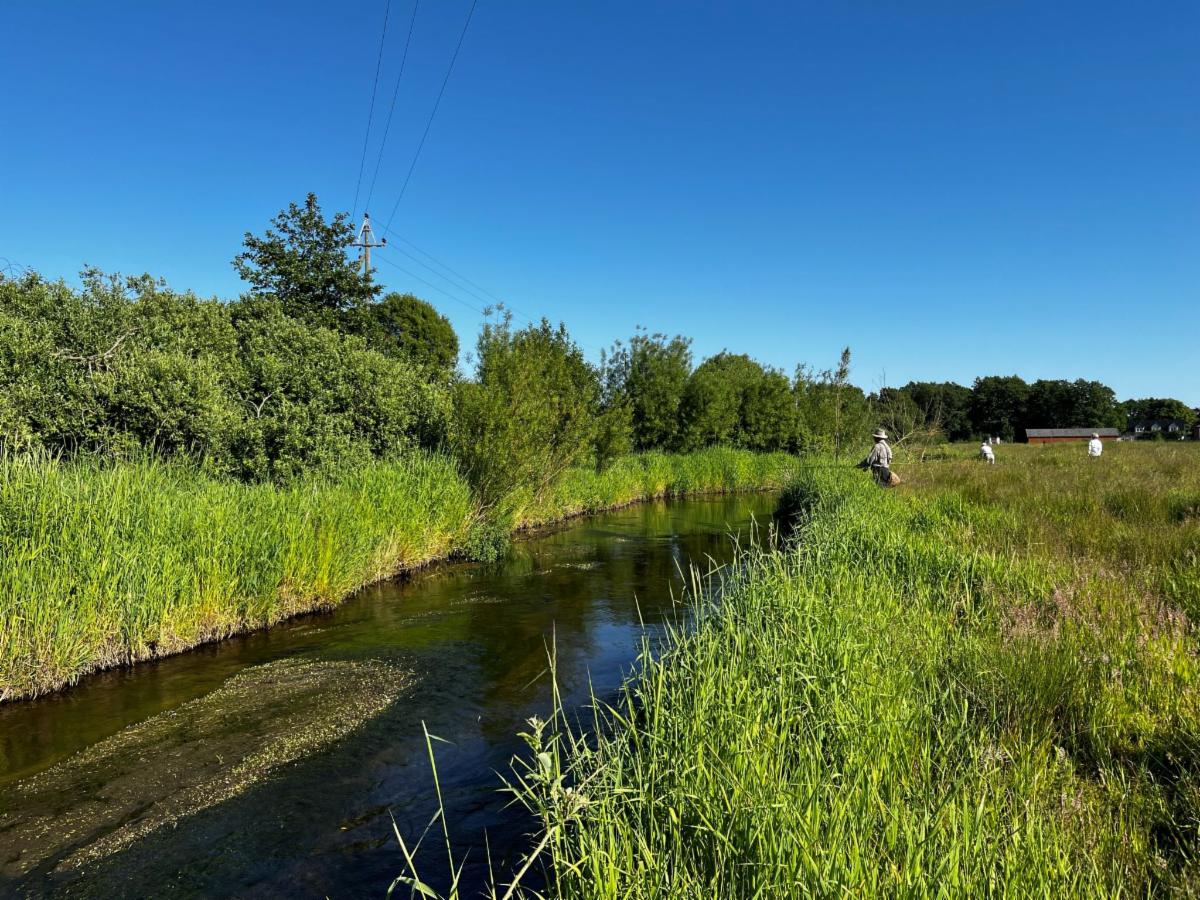
So, what to report of the Binderup,
the river and a tributary I fished for two days in Northern Jutland.
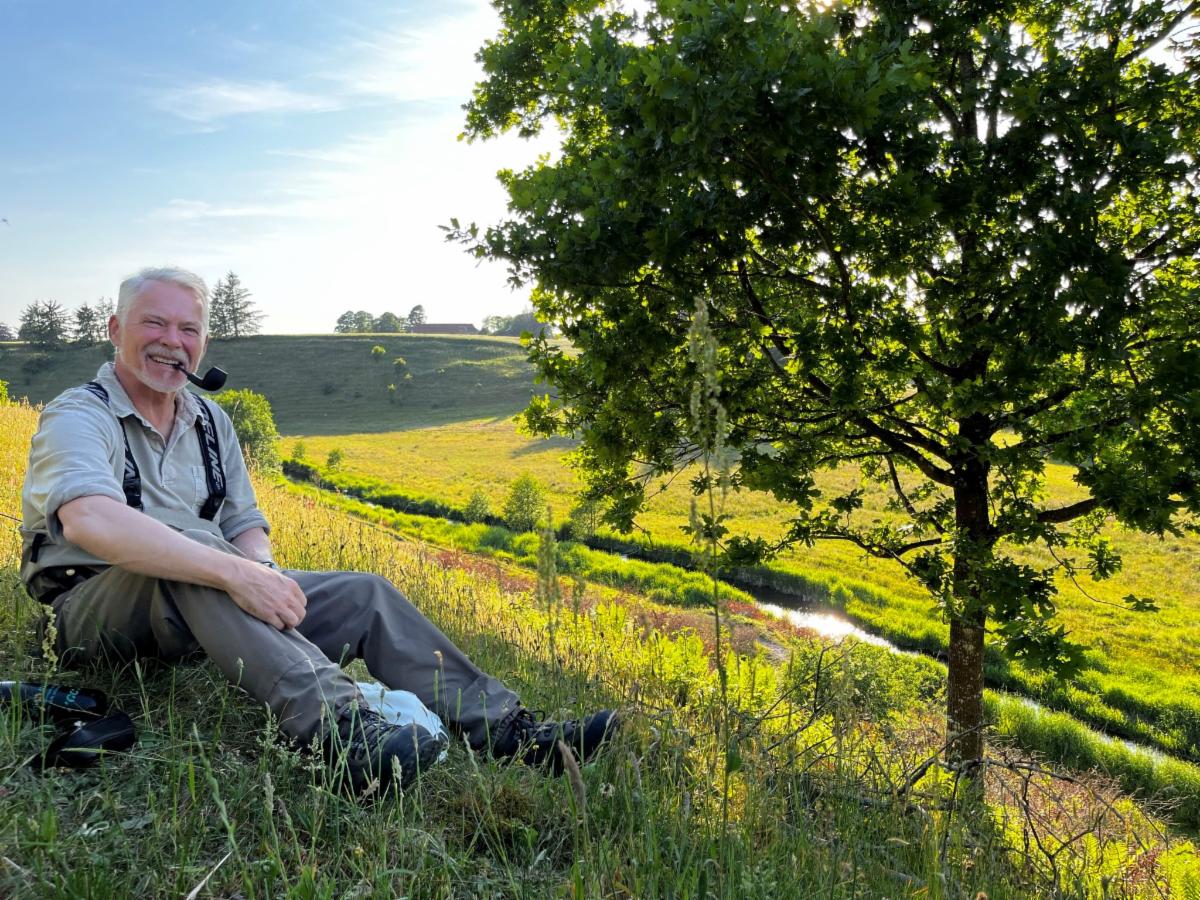
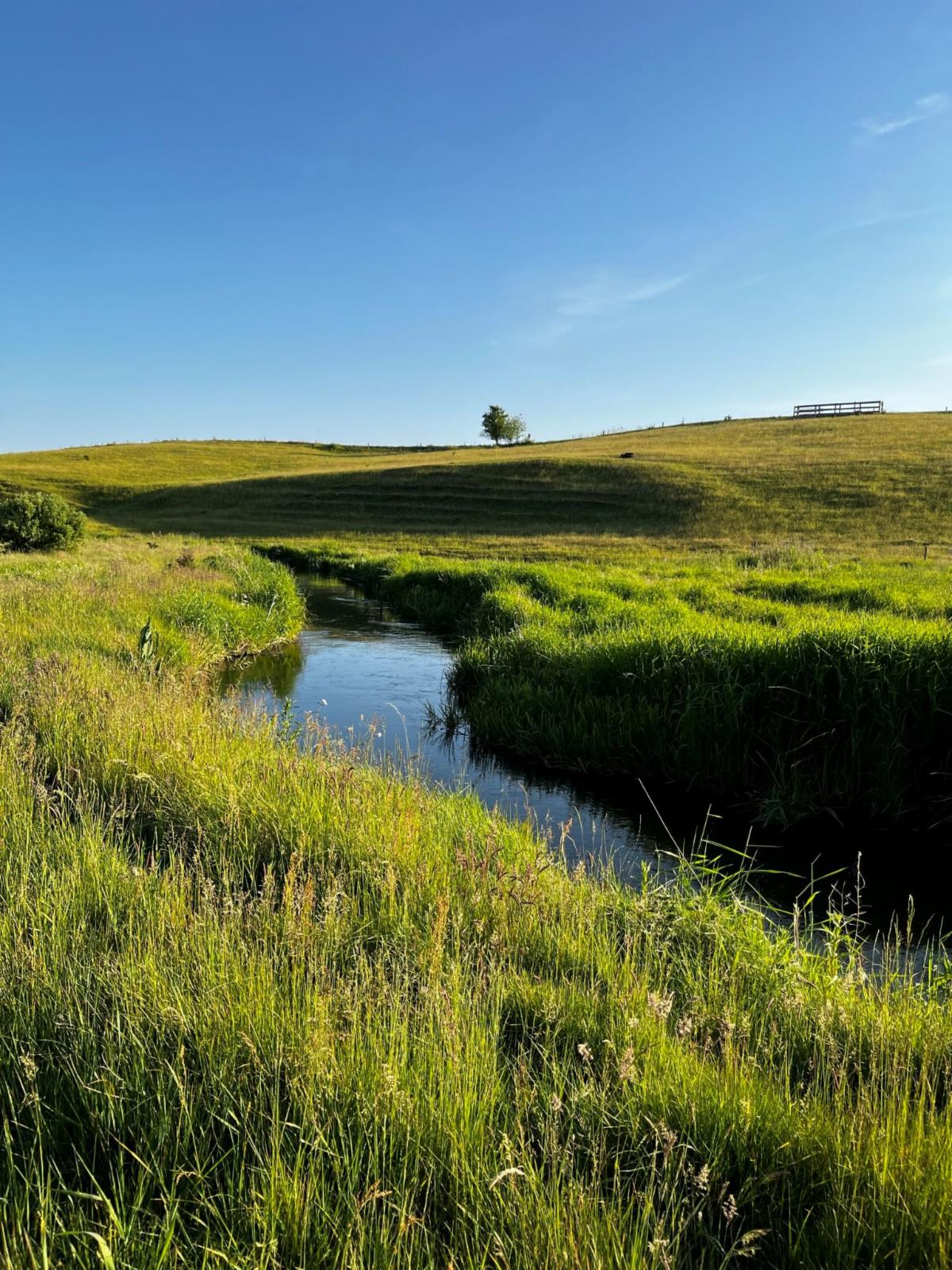
Firstly, it is very wild but equally, very beautiful. It is rare you can
sit on a hill and look down to what might be a chalkstream meandering
immediately below you through a perfect, country valley. The pace of the
river seemed on the slow side, this was June, and there was a slight tea
stain colour to the water which will be familiar to anyone who has fished
the Frome. There were patches of ranunculus, the bottom gravel but
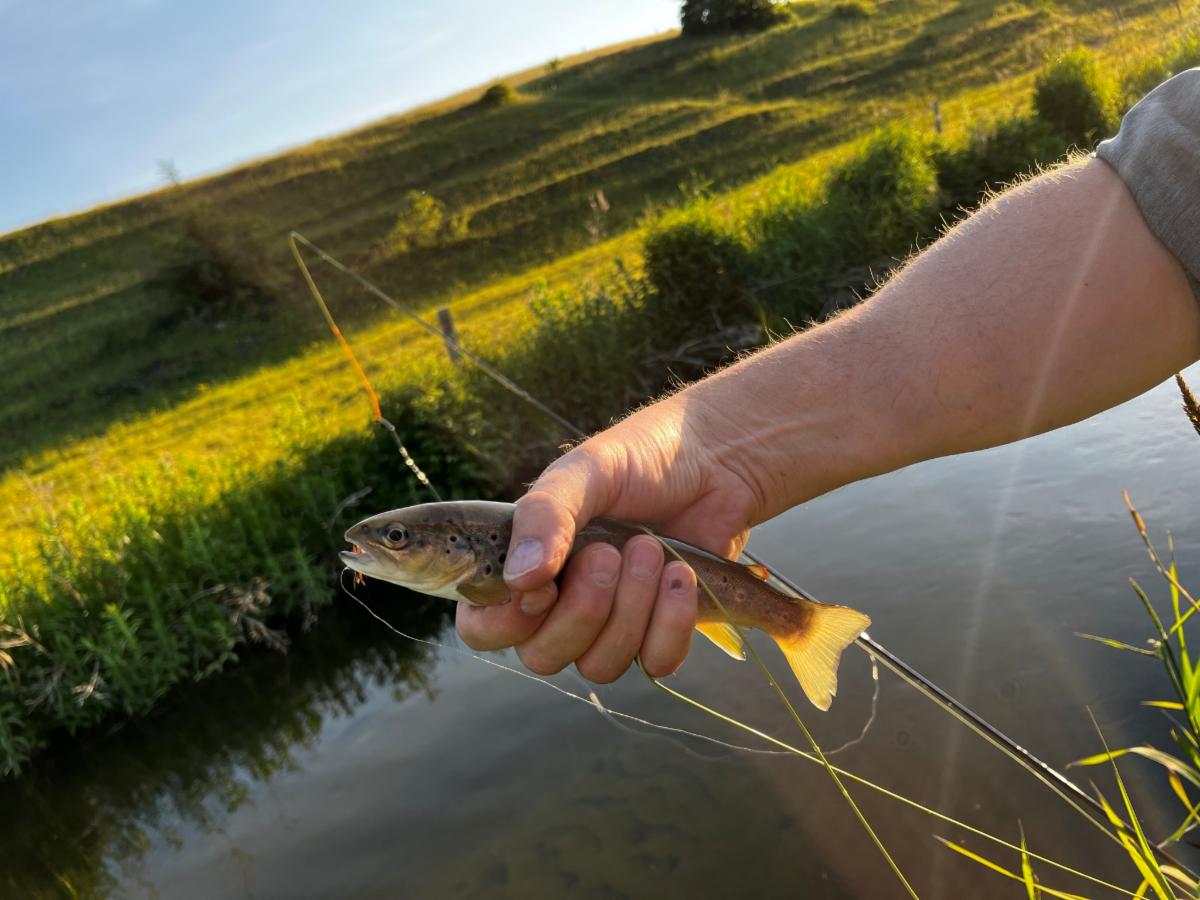
fish were sparse and rises infrequent. I have to confess, it was really
tough both to access the river and to catch fish; I had just one fish to
hand in two days and I am not even sure I saw that many others; most of the
rises I suspect were tiny fish. I certainly did not go away feeling I had
missed a bucket load of opportunities.
|
|




No comments:
Post a Comment