Friday, 3 July 2026

Summer on the Test


Greetings!


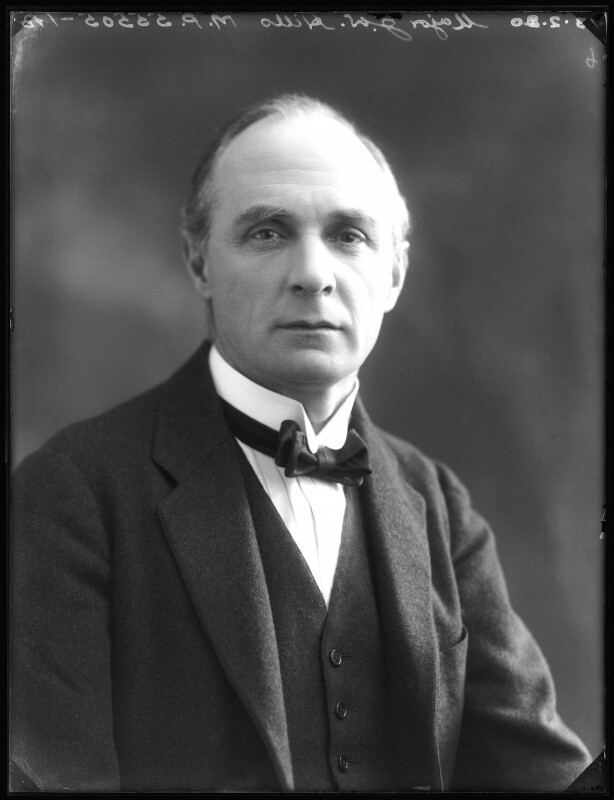
I was in a hurry the other day heading out the door to catch a plane with nothing to read. Scanning my bookshelf, my eye was caught by John Waller Hills’ A Summer on the Test- a book I must have read at least thirty years ago. What better I thought to while away the hours at 35,000ft than being transported back to the chalkstreams of the first two decades of the 20th century.


Hills’ book is often cited as one of the best fly fishing books of all time which is how I recalled it. This time around, maybe less so. I did, in truth, rather tire of his repetitious days where he endlessly recounts the weather, the hatch, choices from his fly box and his braggadocio of fish caught. Aside from that, it is still a gem that distills the essence of fly fishing on the chalkstreams reminding me, and hopefully other readers, that however much things change they still remain the same. If the Hills of 1926 was standing at your shoulder in 2026 the conversation, observation and fishing would be largely unchanging.

John Waller Hills 1867-1938. Soldier. Politician. Writer. Fly fisher

Of that I was reminded, though perhaps not in a good way, by the Introduction to the 1946 edition by Sir Joseph Ball who writes, “…. I am afraid that the abstraction of its [River Test] pure water has increased and is still increasing …..”. If only he knew what awfulness lay ahead. The metropolitan new town of Basingstoke, that stands at the head of the catchment for both the Test and Itchen, was still a gleam in the eye of the county planners, its pre-war population of 13,000 set to swell to 197,000 today. As Ball penned his introduction the county of Hampshire had 1.1m inhabitants. Today, 80 years on that is close to having doubled, at 1.95m. And precisely how many reservoirs have been built in the county since then? Precisely, none. As I say, however much things change they still remain the same.


On a more cheerful line I enjoyed Hills’ dissection of the evening rise and his graduations of its foibles in one of the longer chapters of the book. He posits that there are three styles of evening rise. The first, what he calls the casual rise, starts between seven and eight and lasts until shortly before sunset. The second, the small fly rise, starts after the last edge of the sun has sunk below the horizon and ends when it is too dark to see your fly on the water. The third, the sedge rise, opens and runs for something under half an hour.


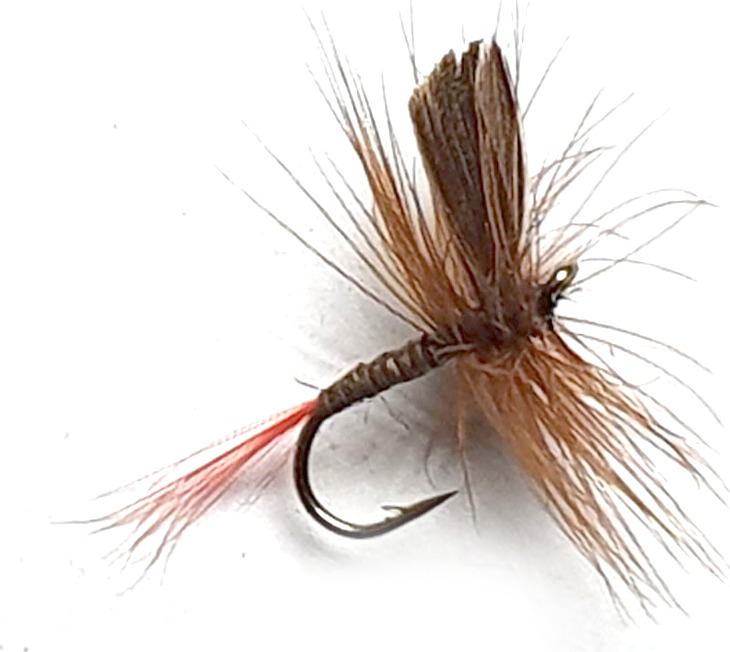
As to the flies recommended, he is very much a spinner man during a casual rise, and he is a fanatic of the Orange Quill. For the small fly (size 16 or smaller) rise duns, spinners or occasionally nymphs. The sedge rise falls into two parts: until it gets dark nothing bigger than size 16 and then larger versions for the quarter to half hour after dark at which point you should fish no further as it is fruitless. Hills is nothing if not emphatic in his opinions which include his belief that a bag of two fish should be considered a successful evening rise.


Anyway, I had quite forgotten his evening rise stratagems so I am going to test them out in the coming few weeks and generally, though I am not going to read A Summer on the Test again cover to cover it is certainly worth dipping into on a chapter by chapter basis e.g. High Summer or Harvest Moon, if you are seeking inspiration or new tactics for an upcoming day on the river.

Orange Quill

Ash dieback dying back

As our head river keeper Si Fields will tell you, we spend a lot of time dealing with dead or dying ash trees which have a habit of self-felling at the most inconvenient times and in the most inconvenient places.


I guess it is no surprise as since ash dieback, a fatal fungal disease that was first identified in 2012, tens of millions have died. Originally it was estimated that 80% of our 150 million ash trees would succumb but more recently this estimate has been downgraded because, thanks to a genetic variation, more trees will survive than anticipated which rather answers a question that has long bothered me about ash dieback: why do some survive and others not?

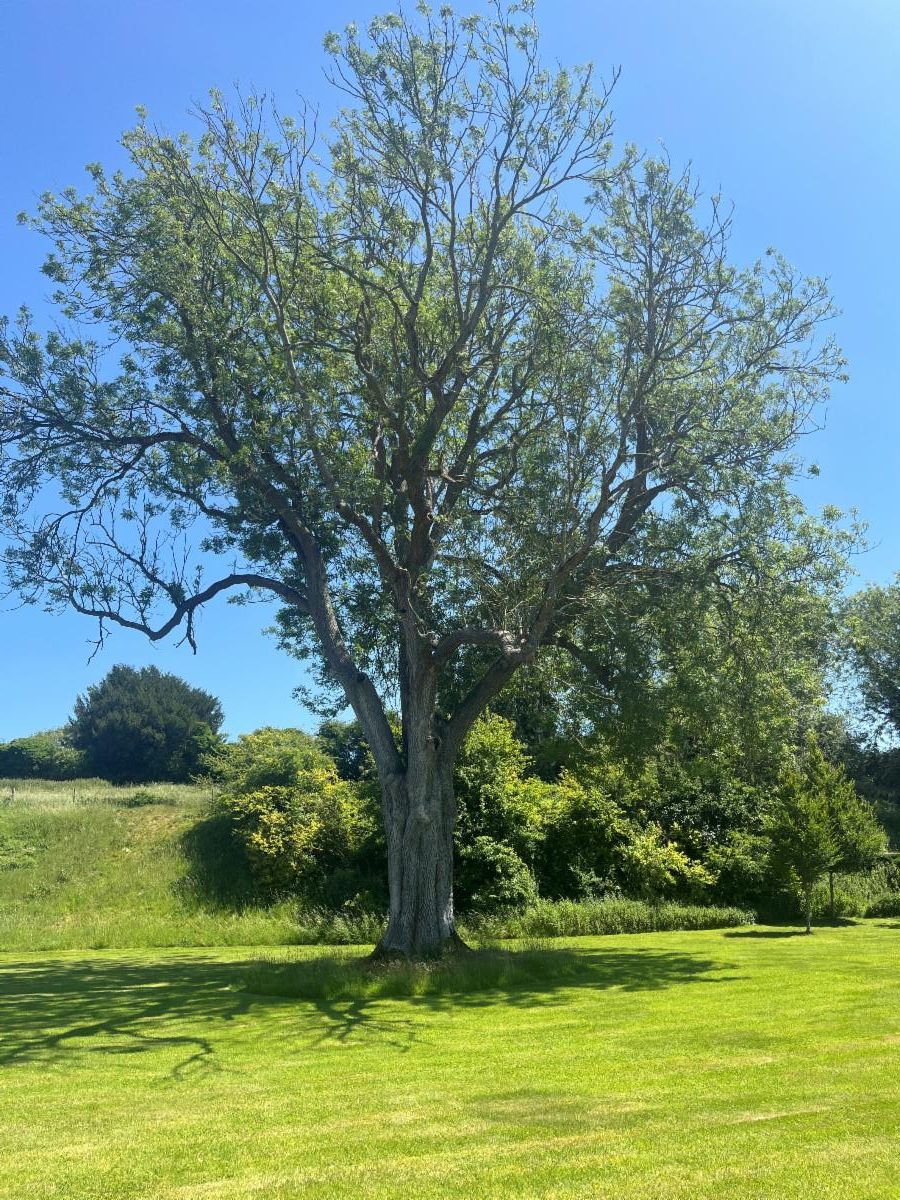
Nether Wallop ash tree that was once five trees

Around The Mill we have plenty of healthy specimens of, I reckon, 30-50 years of age plus another closer to 75 years which I have been nursing for at least 15 years as infected limbs are gradually sawn off. Today it still survives, more of a hat stand than a tree, but each spring raggedly shoots are the cause to celebrate another winter survival and herald its continued primary purpose as a woodpecker paradise. We also have, in the field by the office, one of the most magnificent ash trees I know of anywhere. 150? 200? 250? Nobody quite knows how many years old it might be and village legend has it that the tree was formed by the lashing together of five smaller trees into one by the constraint of cast iron rings. 


It seems that, one way or another, the ash tree, one of our only thirty or so native trees, will eventually beat the dieback. Currently it is not possible to buy saplings for replanting but Mother Nature is doing her bit; healthy young ash trees are thrusting skywards where dead trees fall. 

That was the month that was June


As the 1980’s hit went, June was Feeling Hot Hot Hot ….. and then some more. It was hot at work. It was hot at home. It was hot outside. It was hot by the river. There really was no escape unless you happen to live in one of the 10% of UK homes that have air conditioning. Despite all that June was a wet month. At the time of writing the data for the final week on the month is yet to come in but we are on track to be one third up on the rainfall for a normal June. The weather Gods work in mysterious ways.


At this point, in summarising June I am going to have a bit of a rant (I know you have missed them …) because there were some hysterical and utterly misguided suspensions of river fishing issued by fishing clubs and official bodies who really should know better. The way they went on, you would think that a few days of hot weather had turned our rivers into bubbling infernos carpeted with flotillas of dead fish. Now it is true that armed with a thermometer and the desire to create alarm you can always find hot pockets in a river and that lakes truly do suffer, but chalkstreams? 

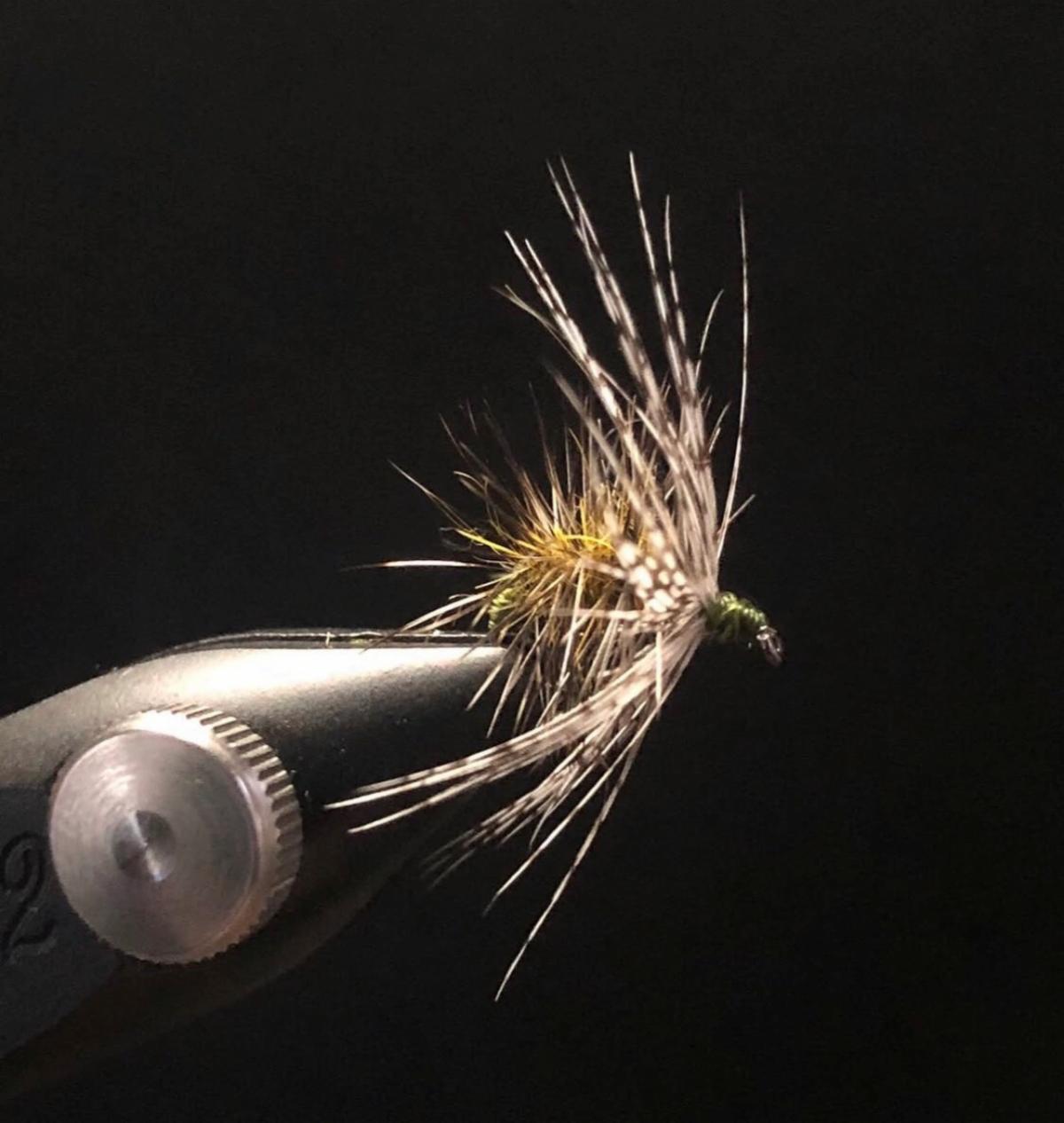
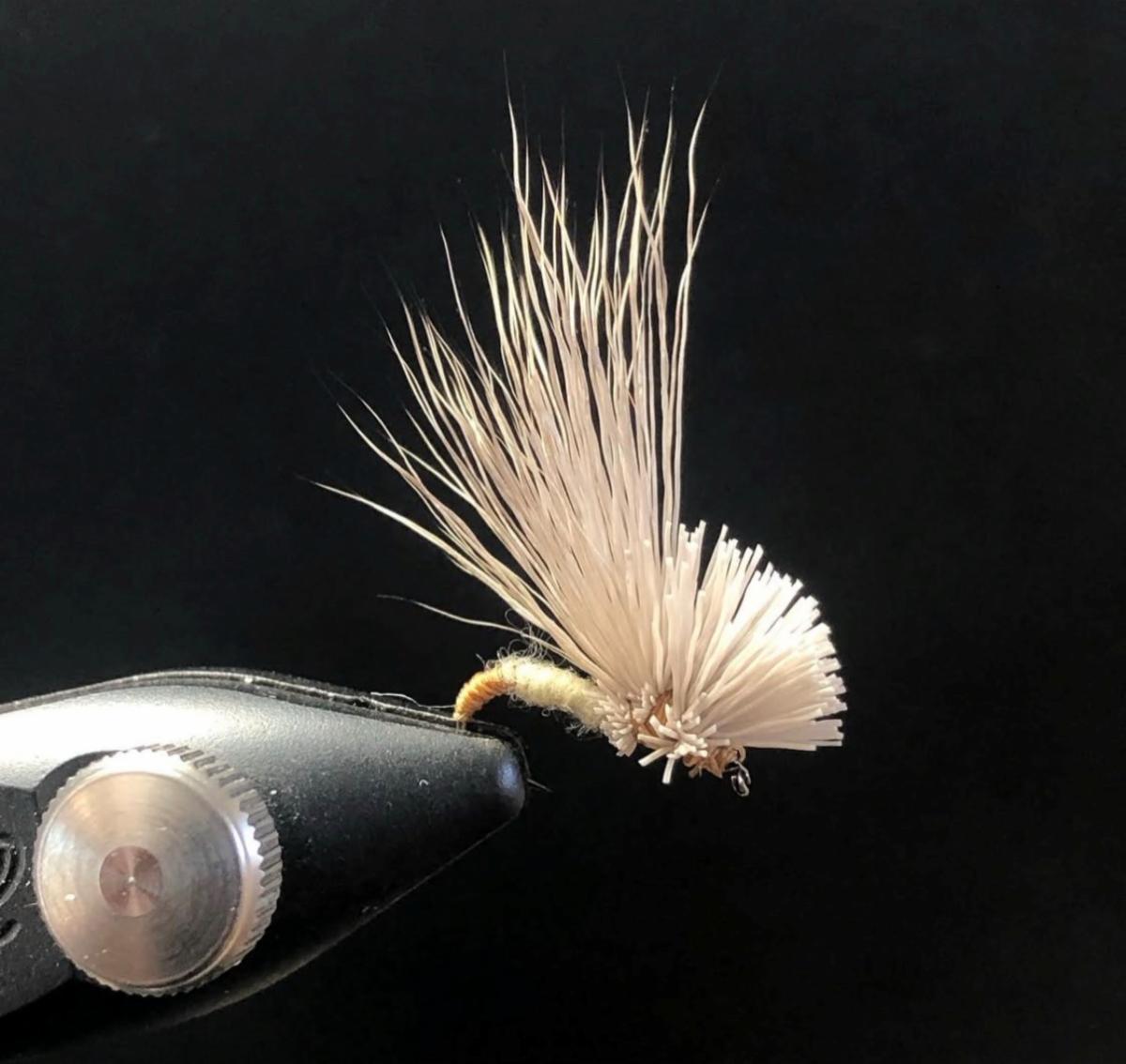
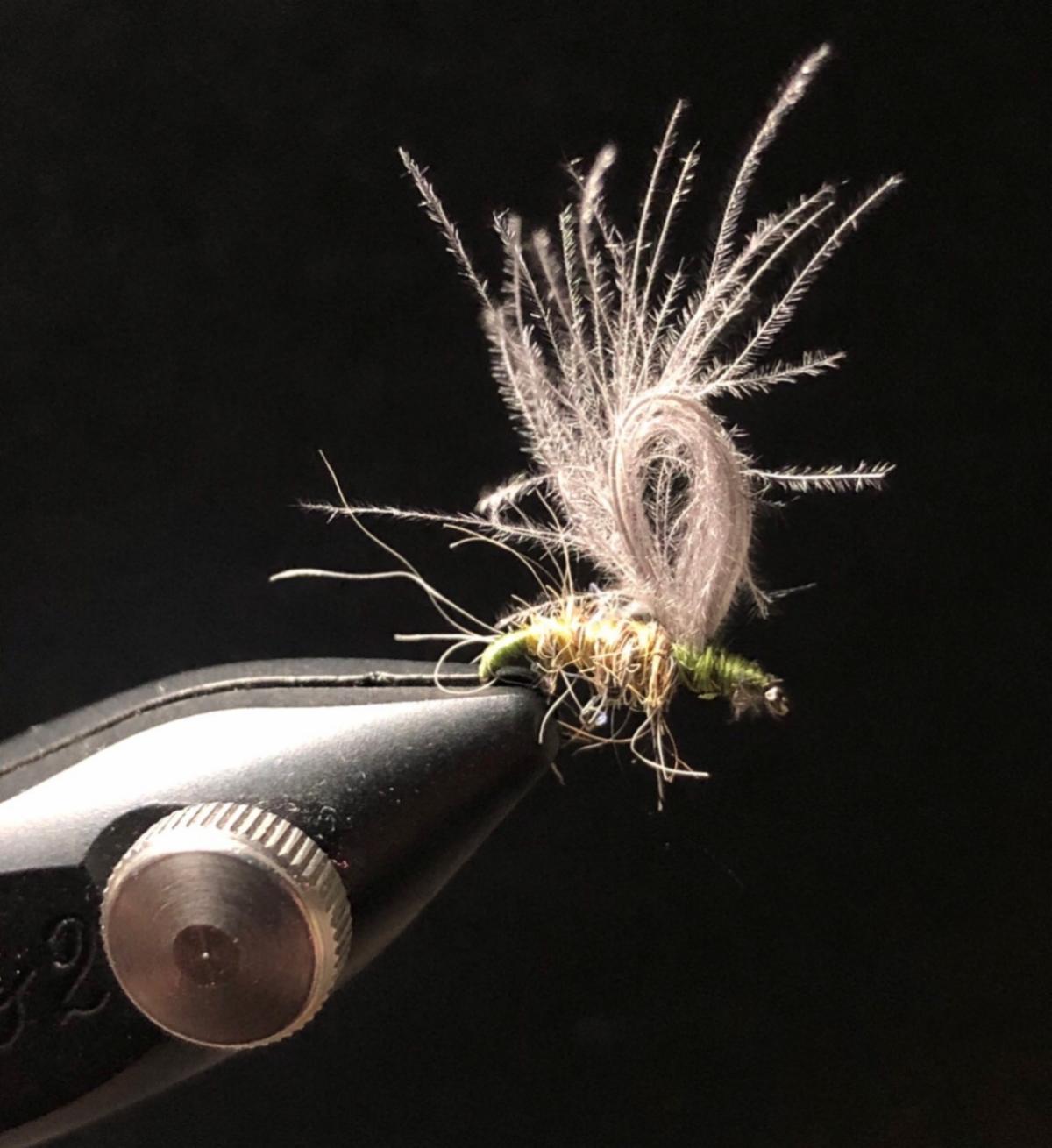
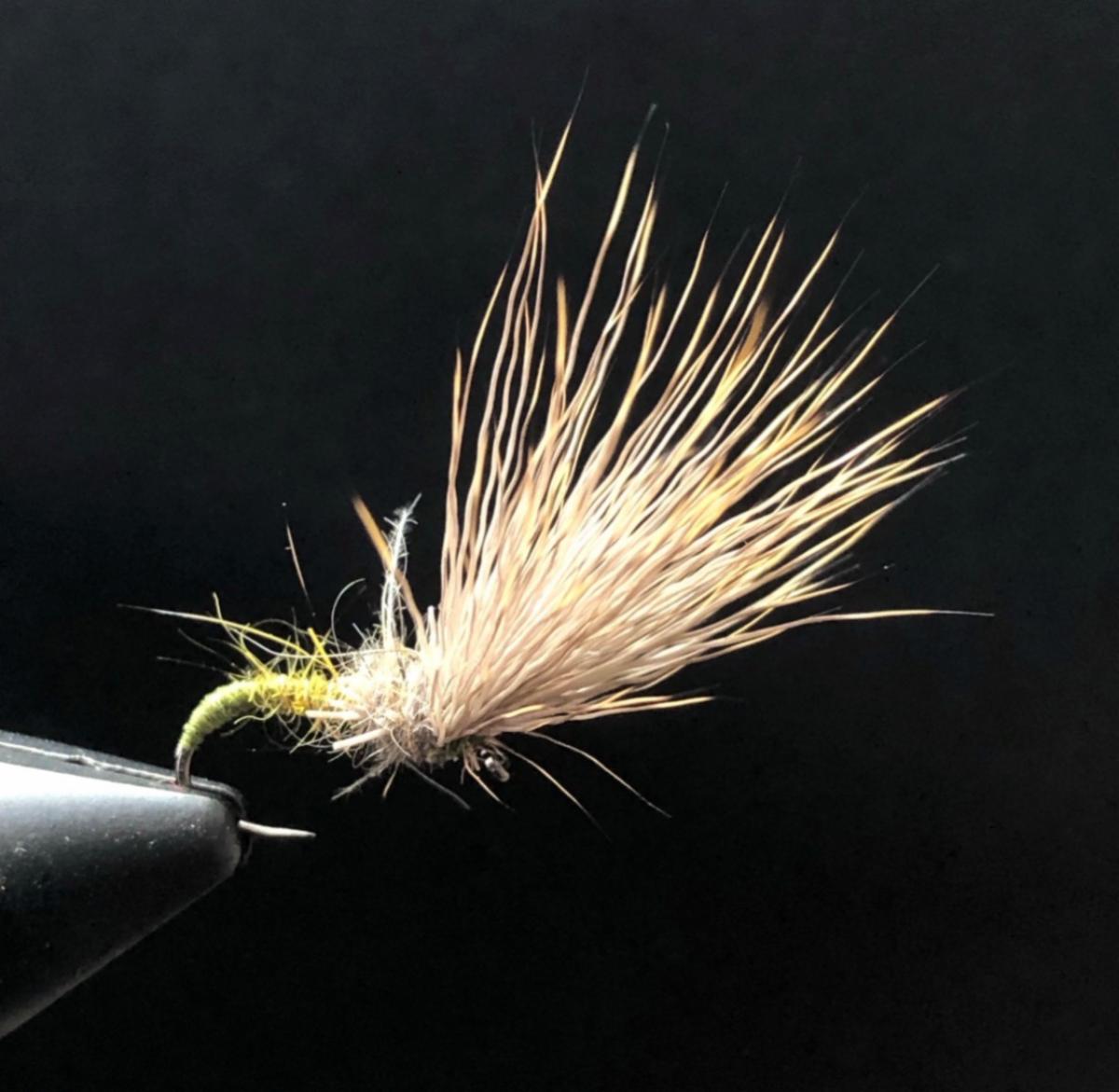
Nigel Nunn's July quartet


Dry Fly Soft Hackle | Small & Scruffy Loop

Fowey Cahill Caddis | Deer Hair Emerger

Yes, it was horribly hot in the midday sun. Fish skulk in the depths. Insects cling to shaded vegetation. The river surface shines back at you like a lifeless mercury bath. But the truth is insects have to fly to perpetuate the species. Fish have to eat to live. Nature does not stop for a heatwave. It simply cannot afford to. It adapts to survive because it does not have the luxury of a five day forecast. 


Like many things in life the secret of successful fishing in a heatwave is timing. Pick your moment and use it well. Do not flog the water or your body in the heat of the day. Fish early. Fish late. Or fish a combination of the two. And I can promise you those that did caught plenty of fish who rose to a well-presented fly and were safely returned to rise another day. Clearly those fish had not read the health and safety memo from the well-meaning idiots.


And to wrap up June, I am pleased to announce that Roger Scotts, who fished Middleton Estate early in the month, will soon be the proud recipient of Nigel Nunn’s July selection. 

Quiz


A short selection of questions based on the topics in this newsletter, the date today or something topical.


1) Who did Sweden's Björn Borg beat on this day in 1976 on his way to five straight Wimbledon Men's tennis titles?


2) How many days does a UK heatwave have to last for the Met Office to classify it as such?


3) Which British motor company still manufactures sports cars with frames made from ash?


It is just for fun and the answers are below.


Have a good weekend.


PS August is Special Offer month! To receive advance notice of the deals and offers sign up for the alert emails.


Best wishes,

Simon Signature

Simon Cooper simon@fishingbreaks.co.uk

Founder & Managing Directorwww.fishingbreaks.co.uk

Quiz answers:


1) Ilie Năstase

2) 3 days

3) The Morgan Motor Company of Great Britain