Originally, ten regional water companies covering England and Wales were floated on the stock market but today only three remain, the remaining seven de-listed by foreign sovereign wealth funds, private equity, or multi-utility conglomerates. Thames Water, now effectively bankrupt with close to £20bn of debt, is the ultimate poster child for why that change was a bad thing. Why did that happen? Well, Ofwat, one of the two main regulators set up in the wake of privatisation, was not directed by the Blair government of the time to stop the de-listing happening and the original 1989 Act likewise had no mechanism to stop it happening. It is worth noting that the three publicly listed water companies that remain, Severn Trent, United Utilities and the Pennon Group though far from perfect, are generally the best performers in the water industry.
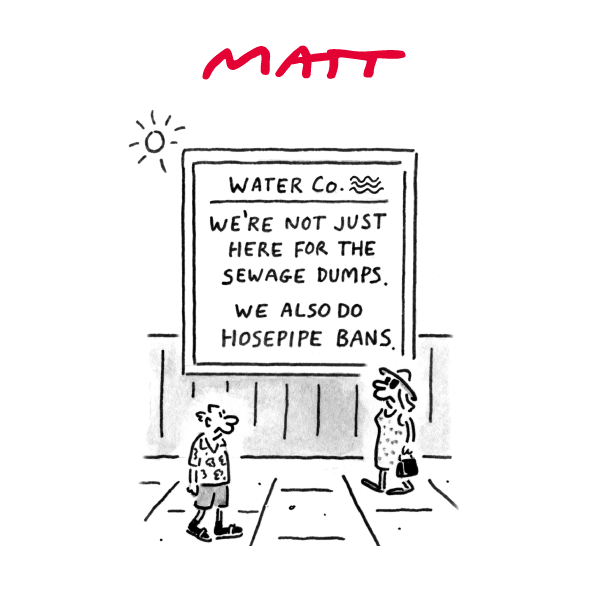
The big worry at the time of privatisation was the monopoly of supply being granted to the ten new companies and that they would gouge customers. So part of the Ofwat remit was to set the price regime that the companies were required to follow. The problem with this mechanism was that Ofwat took its instructions from its political masters who, for all the obvious reasons, wanted water prices as low as possible, resulting in a Mexican standoff with water companies declining to spend money on infrastructure because there is no commercial return whilst Ofwat demand that they spend money they do not have on infrastructure. The irony here is that water can, and is for some, an attractive and profitable investment but Ofwat have so completely dug up the pitch that the game cannot be sensibly played. | 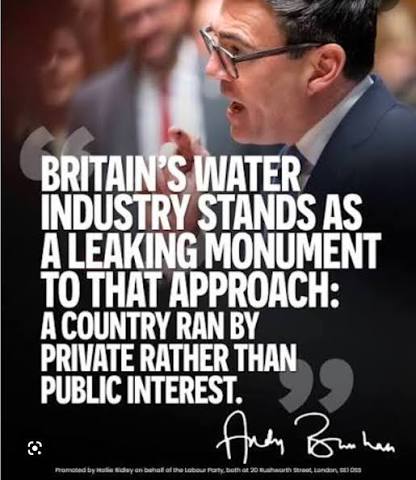







No comments:
Post a Comment