Friday, 9 October 2026

Tale of the Precocious Parr


Dear Simon,


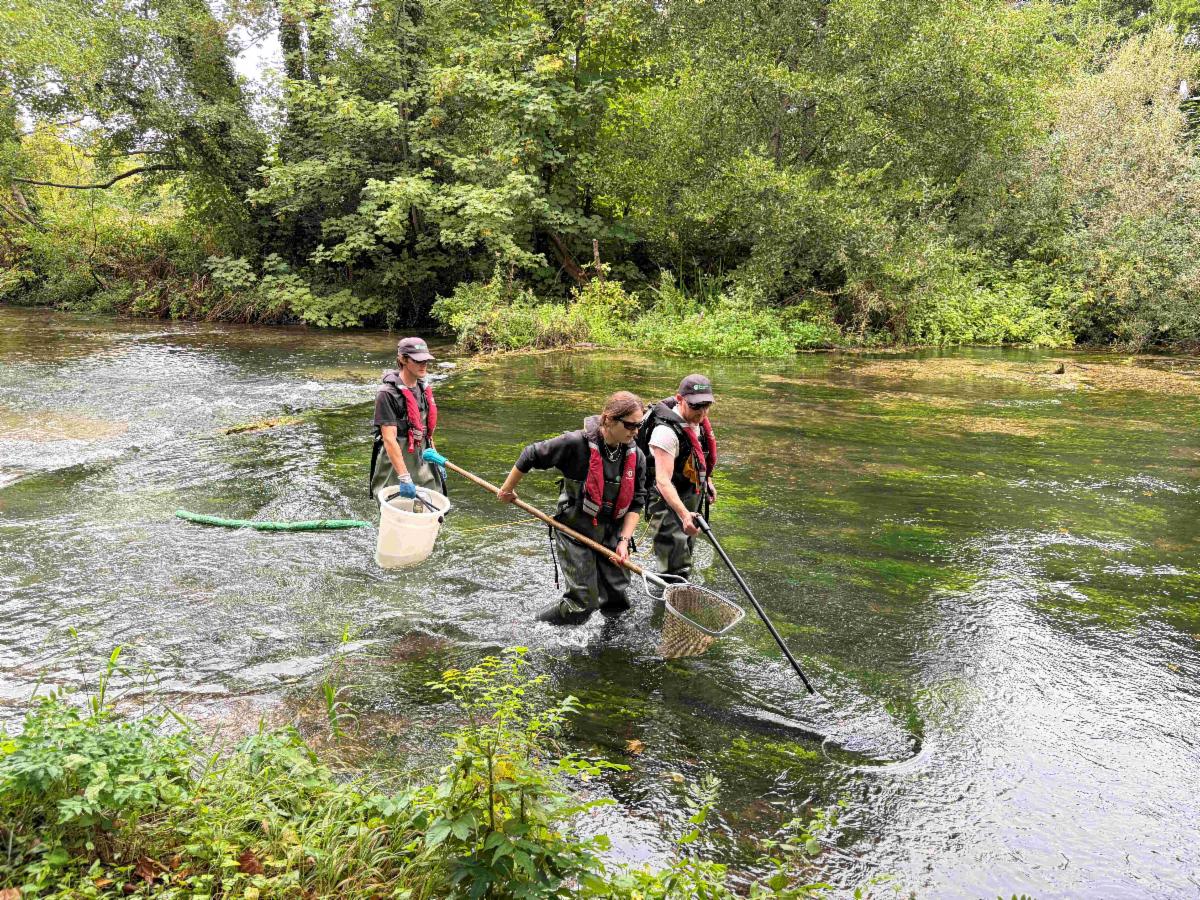
Last week I was on the River Itchen at Kanara, a beat which I am sure is familiar to many of you, to watch a small scale electro fishing survey by the local Environment Agency team who were there to count salmon parr numbers.


I was hardly full of optimism as to the fruits of their task; with all that has been written and said about the parlous state of chalkstream salmon, this seemed to me the pursuit of hope over expectation. But I was so totally wrong. Kanara was the fourth survey of the week on the Itchen, the first three revealing the best parr numbers since this particular type of survey was begun.

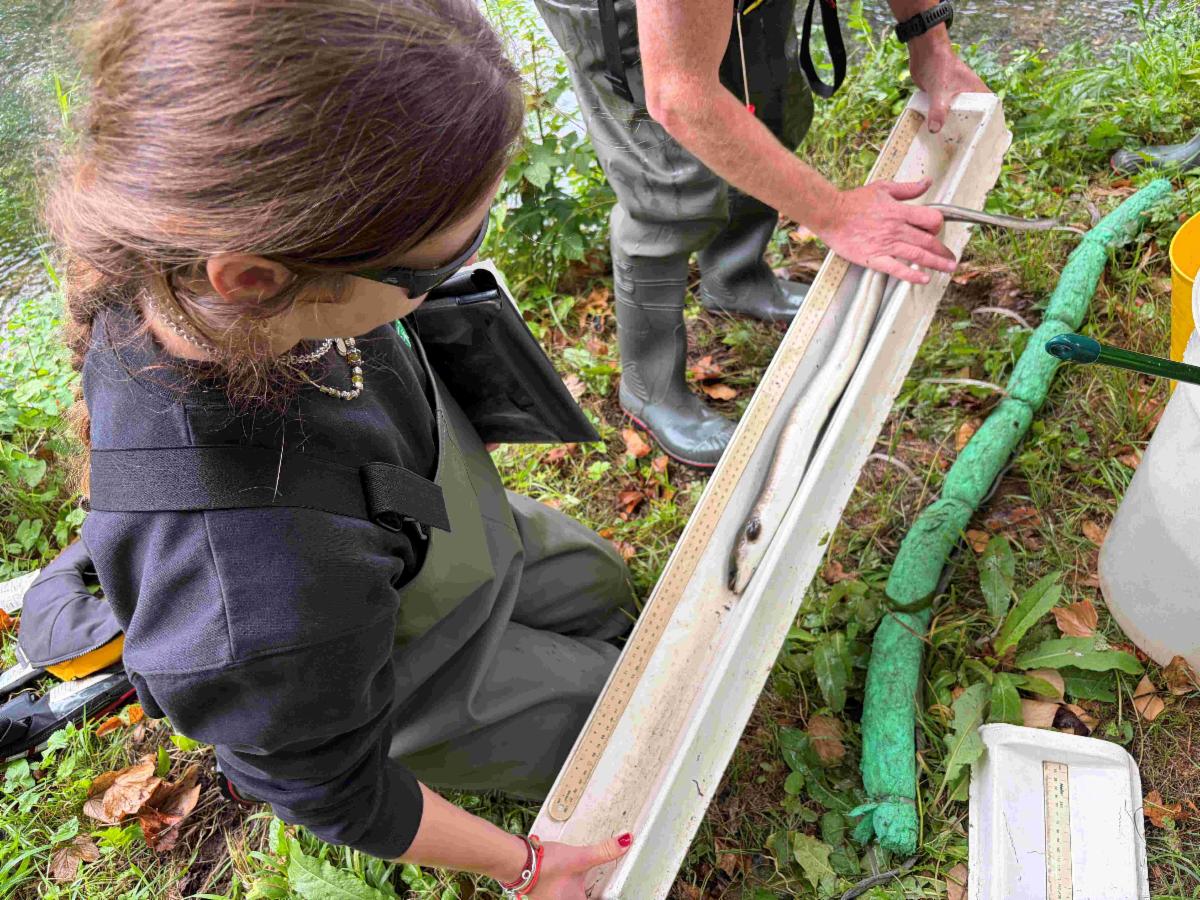
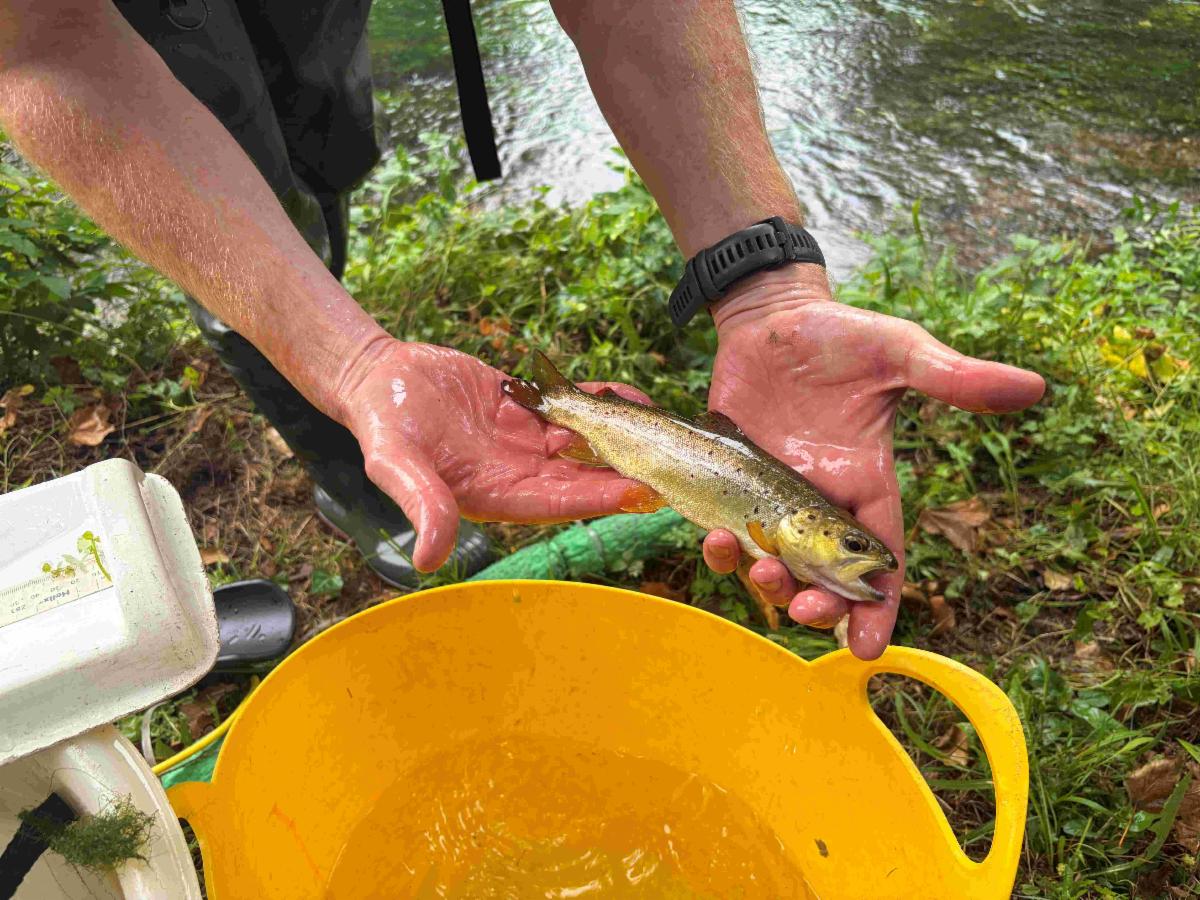
I have not seen the final analysis for the Kanara visit but judging by the first bucket, and the general reaction of the EA team this one was going equally well. A five minute ‘fish’ turned up a good eel, plenty of brown trout, bull heads and pleasingly, plenty of salmon parr. The average size of the parr was maybe a bit behind a ‘normal’ year but the numbers were there. But intriguingly the team turned over two other types of parr I have rarely seen.


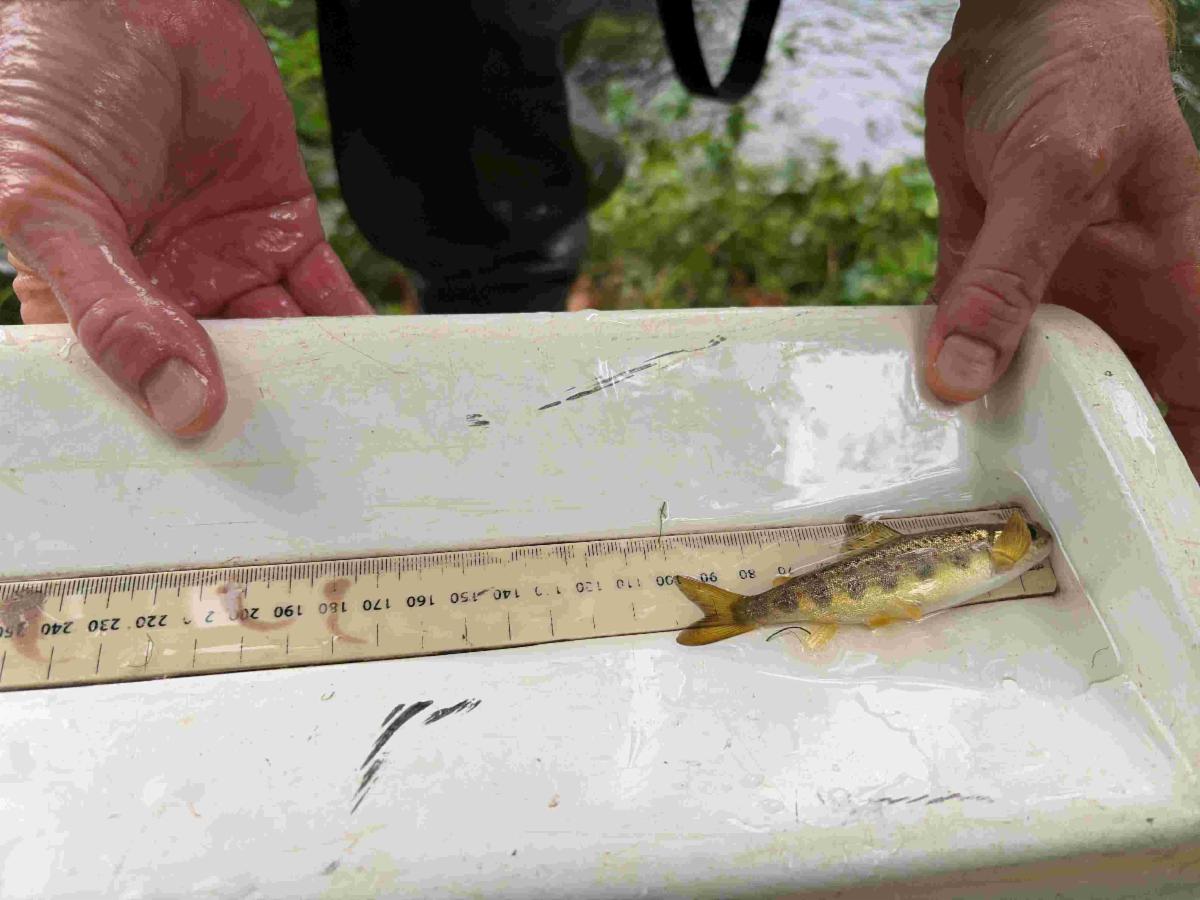
First up was a salmon/trout hybrid parr, which are notoriously hard to identify, the main clues being  spot patterns and tail shapes but are often found, though rarely identified, where brown trout and Atlantic salmon share spawning beds, which is most definitely true of the Itchen. These hybrids can grow large, anything from 5-12lbs, but despite being aggressive feeders they are unlimitedly doomed as a sub-species type being, as they are, functionally sterile in the same way as say a mule.


The other oddity of nature was the discovery of a precocious salmon parr, which provides a fascinating insight into how species adapt and change. It is well known that chalkstream salmon parr head to sea in the second year of life, way ahead of say their Scottish counterparts who leave in their fourth year having not had the benefit of a life in the benign and food rich southern rivers. 

But the precocious parr eschews all that going to sea nonsense, deciding to remain in the river until around 3-4 years of age when it reaches sexual maturity. At that point he, like any other red-blooded male, waits on the arrival of an unpaired fecund female or if bossed out of the redd by a larger seagoing male, will simply hang around the hoop to dart in to share his milt, wanted or unwanted in the hope that some of his genes might just stick in what is sometimes termed the Sneaker Strategy.


Why, you might ask, has the precious parr evolved? Well, firstly they are almost always male – female precocious parr are very rare. It seems they are an ecological backstop boosting the breeding population of the river in case the sea runs fails whilst they also, in both good years and bad, significantly increase the genetic diversity. 

There's gold in them, there sticklebacks


Sticklebacks. They were probably, as ubiquitous residents of just about every body of water, the first fish most of us encountered. Such innocent days: a jam jar with a few stones, a bit of weed and a crew of sticklebacks, angry at their confinement, was the video screen of childhoods back then.


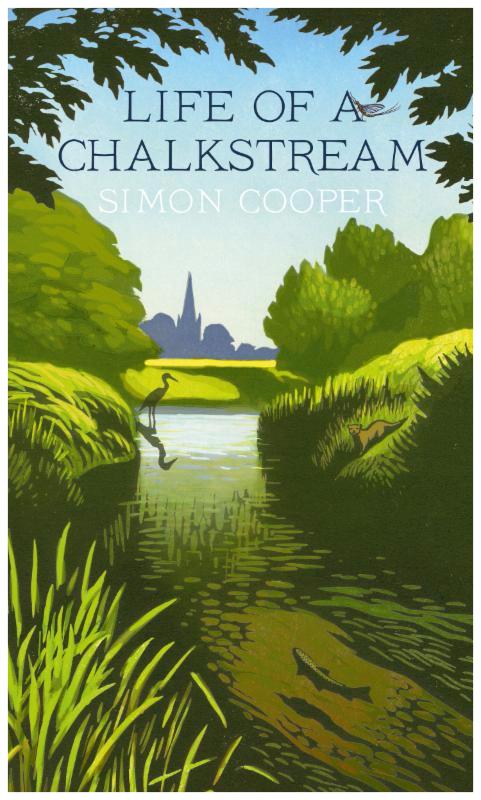
Actually, when I was writing Life of a Chalkstream, I became slightly obsessed with them as they are far from a simple fish. They have a highly evolved courtship, breeding and nurturing system where, in the inversion of how it works for most species, the male takes charge of guarding the eggs and raising the offspring by building a complex love nest on the riverbed. This trait has been much celebrated in zoology to the extent that Desmond Morris, he of The Naked Ape fame, published his Oxford doctoral thesis in 1954 entitled, "Homosexuality in the ten-spined stickleback”. A bit weird I guess, but maybe that tells us something about the mind of Morris and his future direction of intellectual (sic) travel.

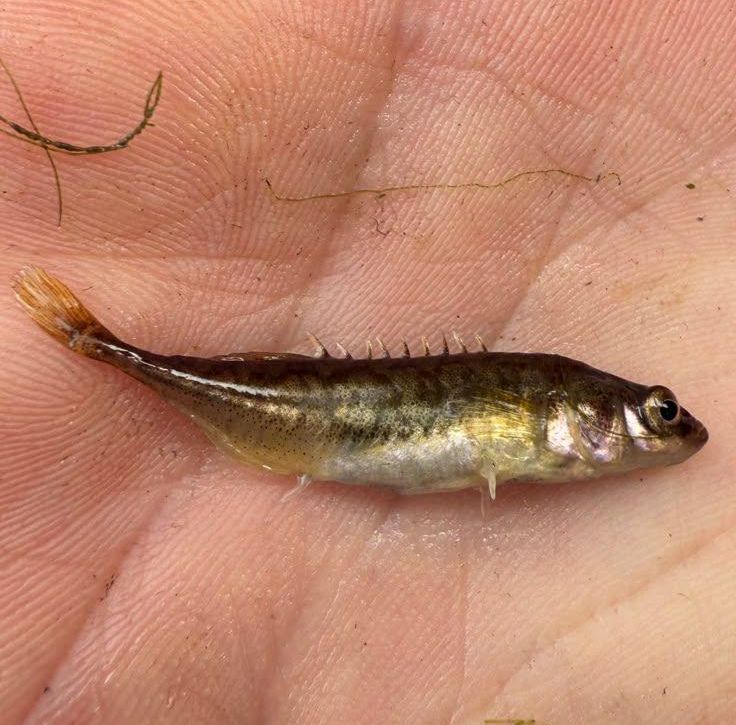
A Nether Wallop ten-spined stickleback

For the most part the sticklebacks are of the three spined variety, the spines being an integral part of both courtship and nest guarding. However, there is a rarer ten-spined stickleback which, to our surprise we found in numbers when weed cutting the lake here at The Mill last week.


The lake, despite the heatwaves and low flows, has held up remarkably well this summer. We have continued fishing without pause and I can say, hand on heart, not a single fish has perished due to the conditions. However, the weed, a mixture of Canadian pond and blanket weed, has grown like topsy. In a normal year we would cut it with the chain scythe maybe once or twice, but this year Charley and Si are probably up to their sixth day.


And it is a full day because, unlike on the river where the current takes the weed downstream, both out of sight and out of mind, on the lake it has to be raked, dragged and lifted by hand before being piled in a corner where it desiccates away to nothing. However, during this laborious process you do get to see every bit of weed up close and personal. Juvenile crayfish are much in evidence, masses of shrimp, occasional eels and lampreys and, plenty of sticklebacks. 

Desmond Morris who died April this year aged 98

Si, every curious, picked one out from the weed and, as he went to touch the stickleback, it resiled, popping up a defensive array of not three but nine spines. This was the first of numerous ten-spined sticklebacks found that day prompting a bit of extra research that threw up two additional facts. Firstly, and confusingly, a ten-spined stickleback can have anywhere between eight to twelve spines. And secondly the going rate in the commercial freshwater fish market for a ten-spined stickleback is £17.50, which makes them, ounce for ounce, as valuable as gold.

The Kindle Edition of A Life of a Chalkstream is available from Amazon as is the paperback edition. New hardback copies are only available from Fishing Breaks.

More on my disappearing Brook


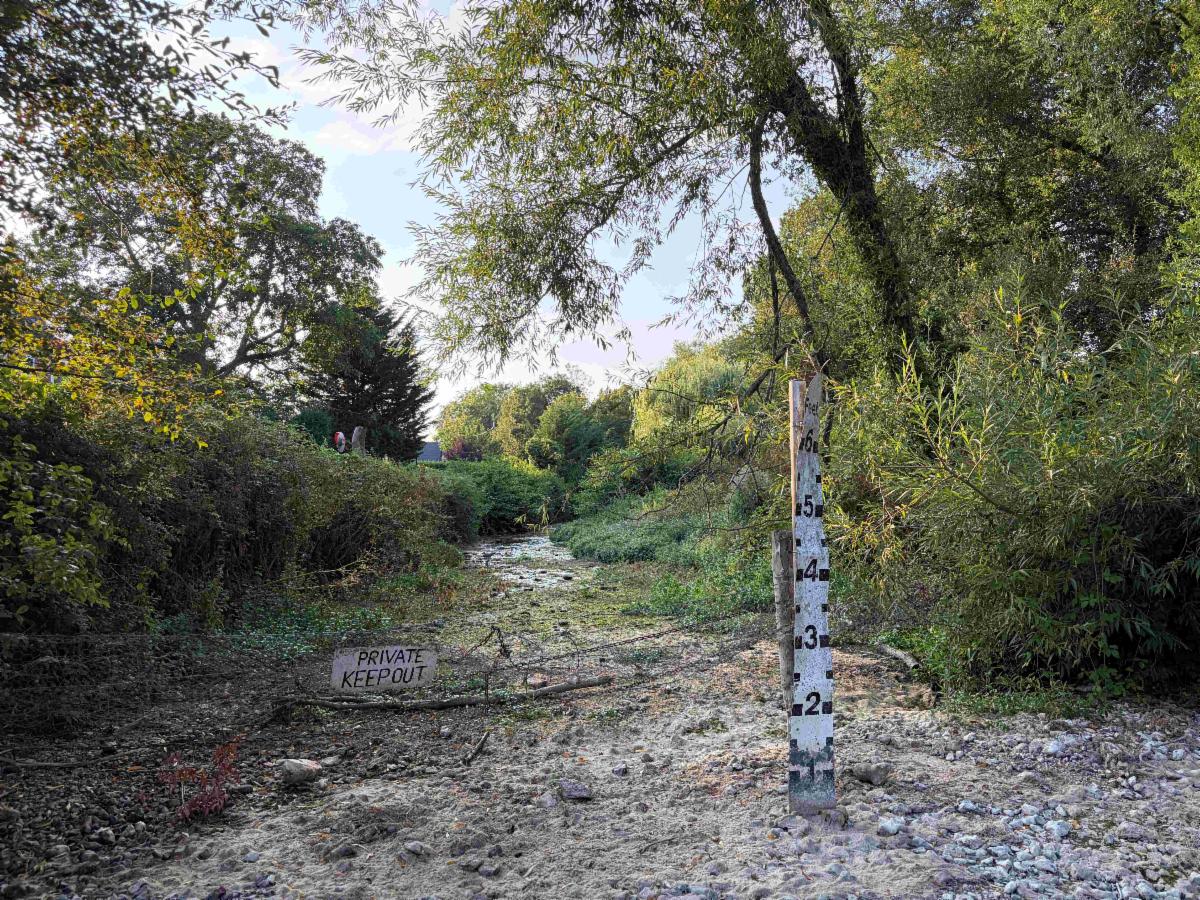
My story last time about the disappearing Wallop Brook bought a flurry of helpful and enlightening emails from experts in the field of river morphology. We now have three possible explanations as to why the Brook disappears and then reappears. So here goes, in no particular order:


“Chalk geology is complex subject. The synclines do not always follow the topology. An example is the Dever water that disappears into the ground during the summer just below Micheldever does not reappear in the Dever - but in the Test somewhere around Chilbolton.”


“Intermittent drying is just the water table dipping below the bed, such that the river at that point becomes what is known as a "losing reach". Sometimes the bed itself can have a measure of impermeability, so it can suspend water above a shrunken water table, but chalk stream beds are pretty porous, so if the water table dips the river tends to dry. The rise and fall of the water table can be linked to underground topography and of course to abstraction.”


“Borehole pumping stations create what are known as “cones of depression“ which can persist long after they are shut down: your speculation is almost suddenly right, it has altered the hydrogeology.”


Thank you to Martin Myles, Peter Hayes and Charles Rangeley-Wilson.


Come and fish The Parsonage next week


Join our instructor, Malcolm Price on Friday 18/September for an exclusive chalkstream course at The Parsonage. This magnificent, wide and open section of the River Test is dreamy, with opportunity to fish both main river and long carrier. Build confidence in your casting skills, take a deeper dive into the entomology of the river learn new top tips and tactics and try your hand at catching some really big fish!


And even better news, I am offering this course with a special 25% discount. There are three places left, so be quick to book your spot. Why wouldn't you want to spend an idyllic day on the Test in the great company of likeminded fly fishers....You can book directly online here.

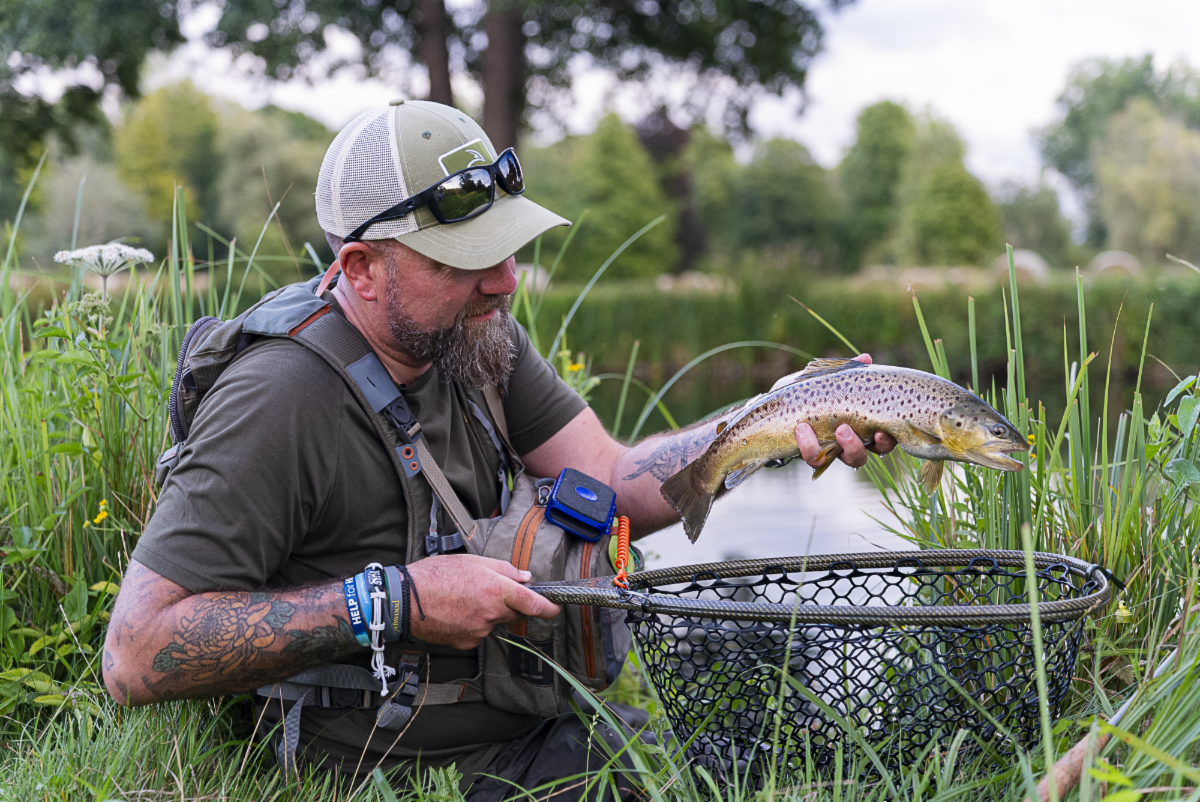
Nice catch at The Parsonage with the Farlows team last year

Quiz


In the wake of the halting of the changes to County Councils by Angela Rayner, which had caused much consternation in Hampshire, a few questions on the English counties.


1)     How many English counties are there? A) 28 B) 38  C) 48


2)     Which English county has the longest coastline?


3)     Which and how many English counties start with the letter B?


The answers are below.

Have a good weekend.


Best wishes,

Simon Signature

Simon Cooper simon@fishingbreaks.co.uk

Founder & Managing Directorwww.fishingbreaks.co.uk

1)     48

2)     Cornwall at 675 miles followed by Essex and Devon

3)     Four. Bedfordshire, Berkshire, Bristol & Buckinghamshire

No comments:

Post a Comment