Thursday, 26 November 2026

Disaster averted for the Wallop Brook


Greetings!


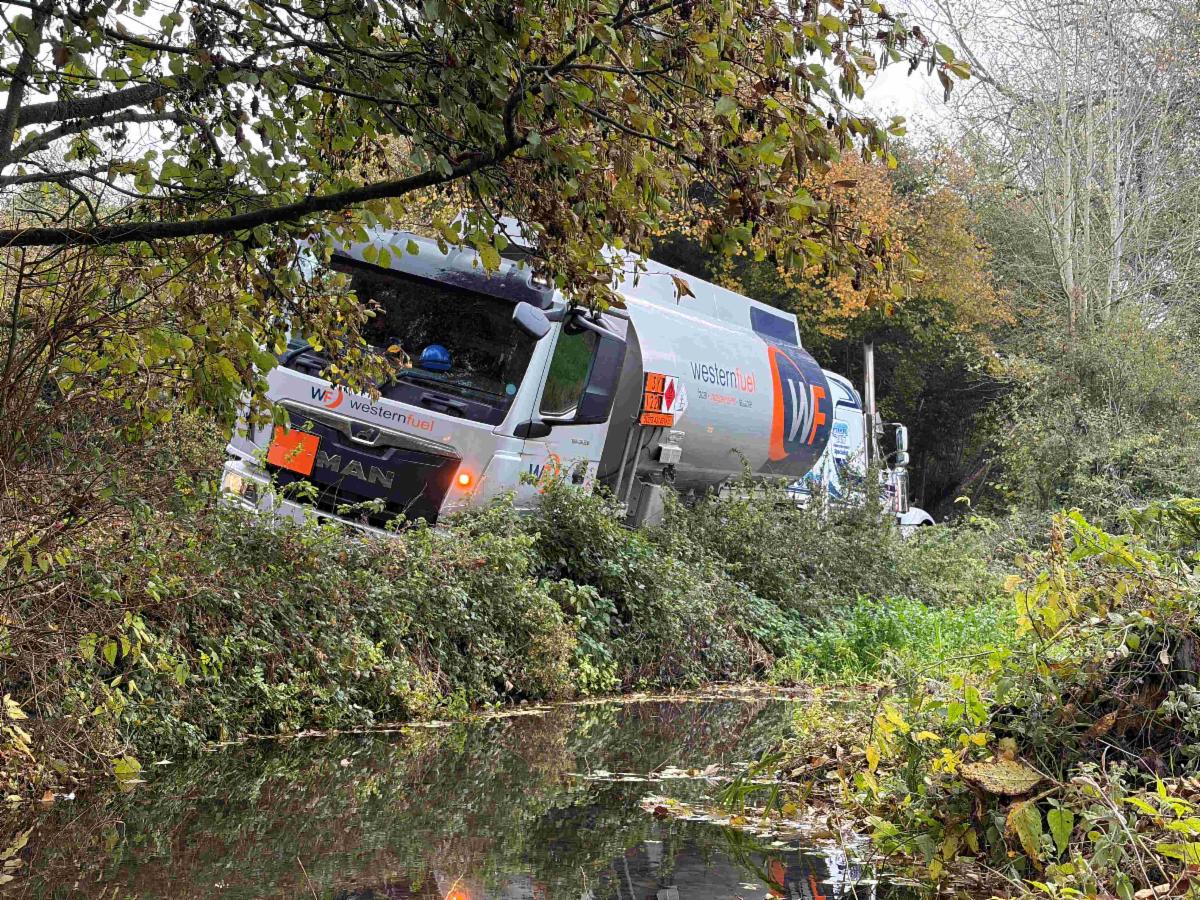
We came a little too close to disaster on the Wallop Brook just before 7am on Friday morning two weeks ago when a tanker carrying heating oil, on its way to the village for a first delivery of the day, pitched off the road coming to a halt balanced perilously under a collapsing bank alongside the stream.


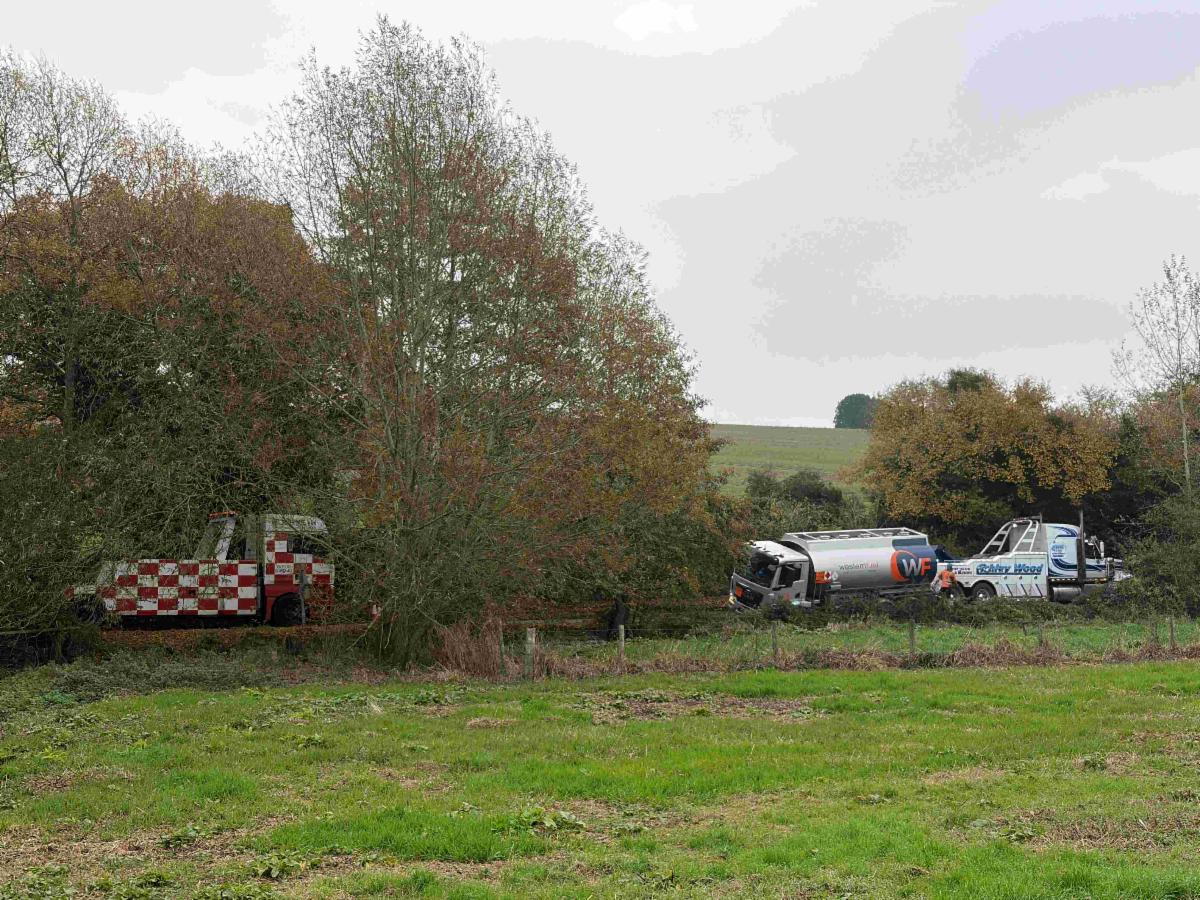
Whether it was the result of a moment of carelessness or trying to leave room for an oncoming vehicle on our narrow lane I do not know but I felt sorry for the driver who, as the salvage crews assessed whether they could extract the tanker without it tipping over, was as white as a sheet. As the school bus, tractors and numerous cars were turned around, the riverside conference of fluorescent jacketed disaster recovery guys concluded one behemoth of a salvage truck was not enough. A second was summoned.

Just a little too close for comfort

I could see the tanker driver doing some mental maths and rehearsing the conversation to come with his boss. Only the week before as he filled my oil tank, he had told me that, at 62, that this was the best job he had ever had and that he would like to continue, the Gods willing, long after his official retirement date. I hope he still feels the same way.


As an occasional viewer of the Norwegian TV show Ice Road Rescue on the National Geographic channel, I had a pretty good idea of the plan and why one salvage truck was not enough. With one truck you cannot control the slew of the stranded vehicle as it is towed out so you need two; one to  it pull backwards and another to pull it both sideways and hold it upright.


And sure enough that is pretty well what happened with steel cables that screamed under the tension, groaning winches and the revving of the powerful diesel engines of the monster trucks. The oil tanker did some grinding of its own as it was dragged up over the lip of the tarmac until, quite suddenly, amidst plumes of petrochemical smoke, it was upright and safely standing on the road as if none of this had ever happened. Ten minutes later the road was swept clean, the trucks were gone, the tanker was delivering to our neighbour, and all was well with the Brook.

When is a pest not a pest?


There is that old saying in gardening that a weed is just an unwanted flower – it is a matter of perspective. A farmer would regard a rose bush in a field of wheat a weed whilst the rose grower would feel the same about wheat in a rose bed. The term ‘weed’ is a reflection of human preference and control rather than the intrinsic worth of the plant.


I got thinking about this distinction when reading about the Brussels EU-UK summit happening today, where we are going to align our pesticide and biocide regulations with Europe as part of a proposed Sanitary and Phytosanitary Agreement. I thought I would share the full title of this ‘dynamic alignment’ as phytosanitary, a word I have never come across, seemed so other worldly. It means relating to the health of plants especially in this context in the prevention of the spread of plant pests (my italics) by the agricultural trade. The basic essence of the Agreement is that the UK will now ban dozens of pesticides, and limit the use of others, which have already been banned in the EU in the intervening years since Brexit but have continued in use here.

Predictably, the farming lobby have protested but in the manner of Mandy Rice-Davies during the 1963 Profumo affair trial when told Lord Astor denied having an affair with her or even meeting her, she replied: "Well he would, wouldn't he?". Farmers have an absolute right to fight their corner but we have an equal right to fight ours; their pests are our insects.


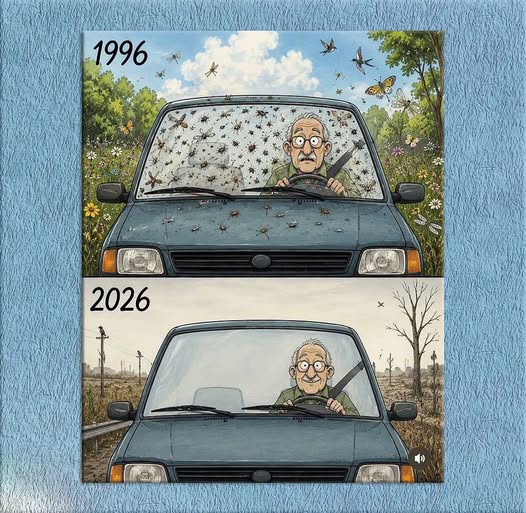
The simple windscreen test tells you everything you need to know about the calamitous decline in the insect population in the past few decades. A summertime drive through the 1990’s British countryside called for regular windscreen washing to clear away the splattered multiplicity of aphids, bugs, beetles, moths, mayflies and many others. Today that same drive will be troubled by very few of those ‘pests’.


I can understand how some will wish to resile from the Agreement; with no seat at the table the UK will become a rule taker not a rule maker. Future EU bans will automatically pass into UK regulation and I doubt there will be any reciprocation of UK best practice on continental farmers. But ultimately, if we want to see a recovery in our insect population, agricultural pesticides that do the most damage must be regulated out of existence. Yes, the cost of home grown food might be more. Yes, our fruit and potatoes may be blemished. Yes, farming yields may be less.


It is a hard call but two things are at work here. Firstly, pesticides are becoming ever more deadly doing exactly what they say on the tin and often much more. Secondly, the legacy of these chemicals in our soil, and ultimately our rivers, increases with each passing year, the food chain ever more toxic. At some point we have to shout stop. We did so in the 1980’s with the organophosphate ban which has seen the recovery of both the otter and bird of prey population. We can do the same now.


I suspect the salvation of our native countryside is not best left to the fickle mores of EU bureaucrats but at the moment, it seems the best we have.

The Strange Things Mill Owners Have to Do: Part 2


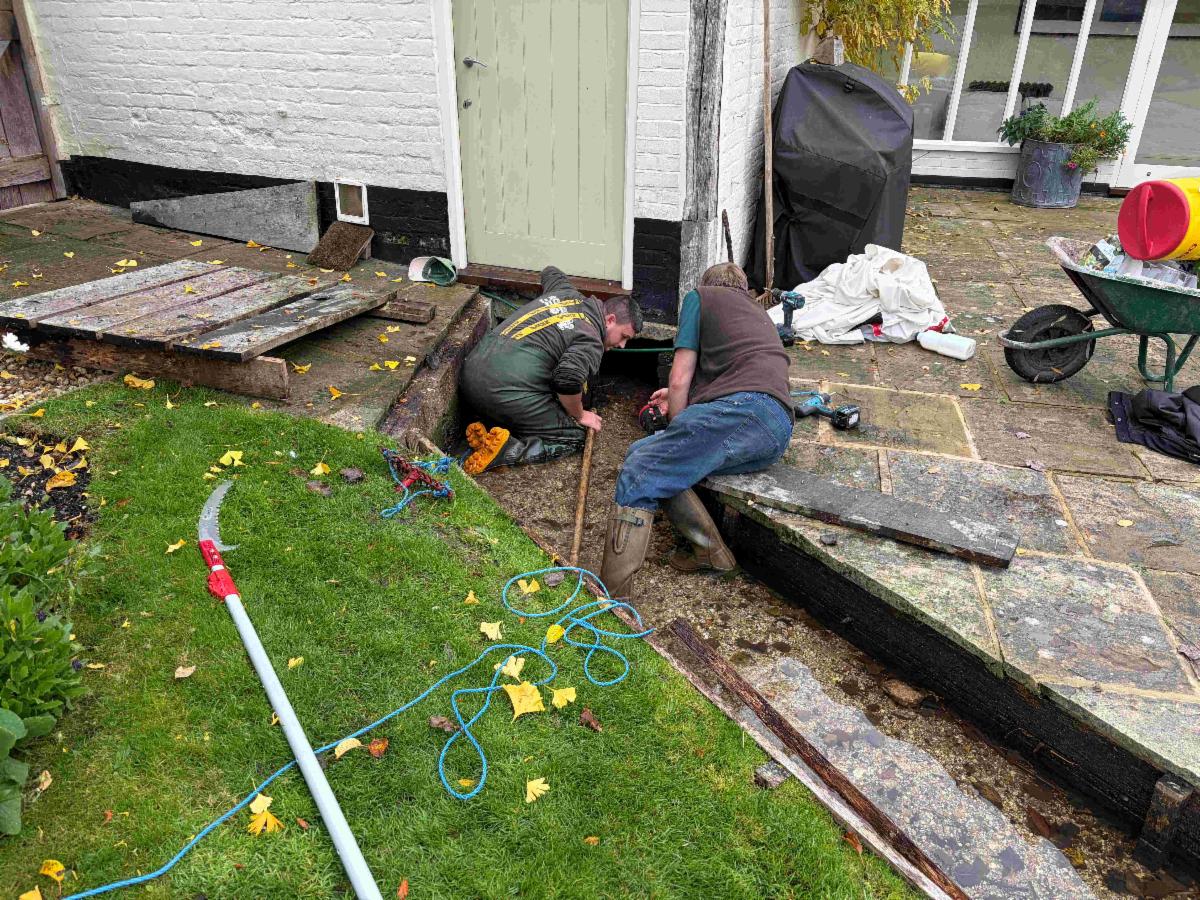
Some years ago I told you the tale of my Sunday morning spent freeing the blockage to the stream that runs under part of The Mill caused by two 17th century boards that had collapsed. Sadly the blockage was back but this being a Thursday, and a Mill maintenance day, I had river keepers Si and Charley on hand to give a hand.


As before the blockage was inconveniently located at the midpoint of the 20 yard tunnel that is not much more that shoulder width, 3 feet at most high and largely filled with water. It might be a potholers delight but we three are made of lesser stuff so we began with the trusty rake head on a rope. No good. Next we tried the long handled weed rake the tines of which got entwined in the obstruction; cue fifteen minutes of curse infused effort to free it but we did learn something from the clash on metal on metal. This obstruction was steel not wood which explains why we had destroyed the brand new head of our brand new pole saw in an effort to cut it away; I forgot to say we had tried this between the two rake efforts. 

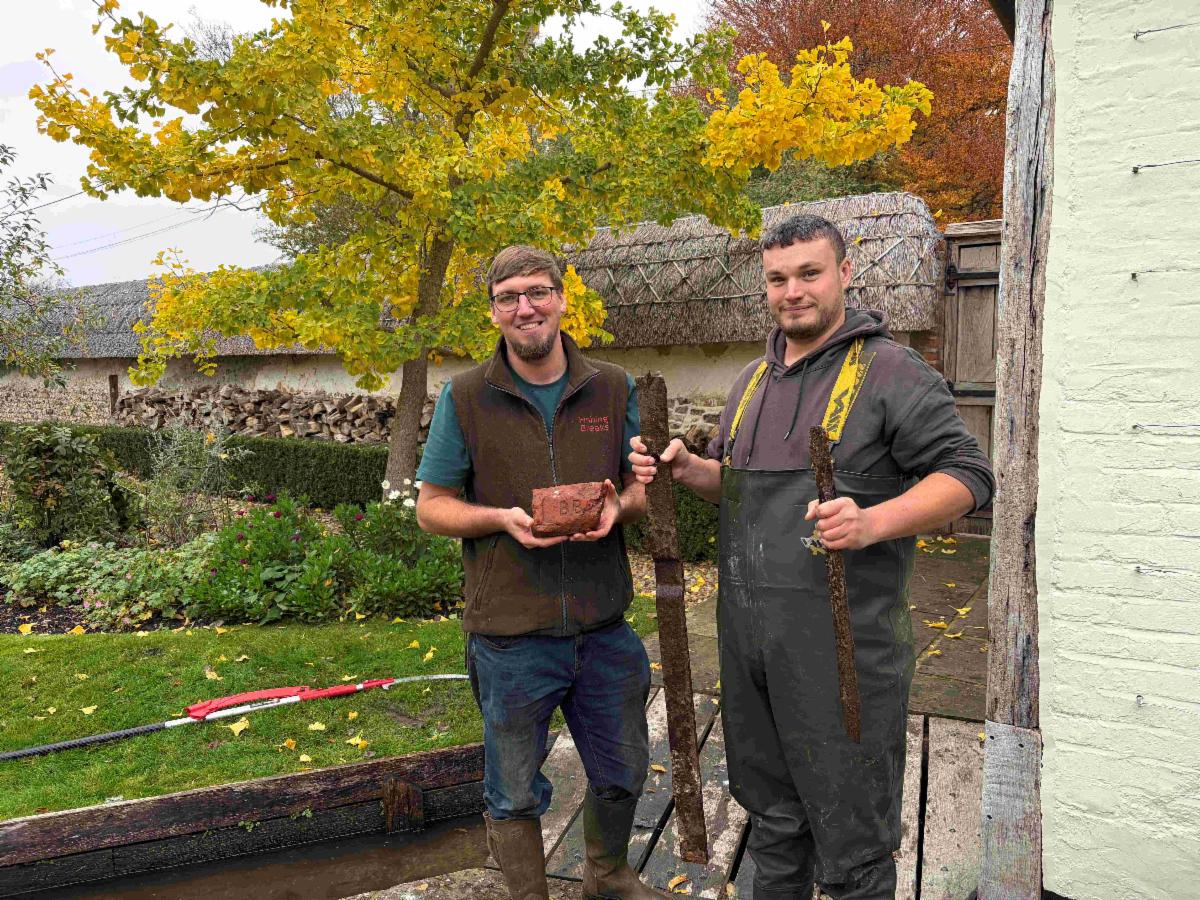
After lassoing failed it was time for our version of Grond, two five metre lengths of 4”x2” timber crudely screwed together. Though the rusted steels were hardly the Great Gate of Minas Tirith we Tolkien-like battered away until brute force and a deal of luck won the day... two pieces of iron freed and another bent out of harm’s way. The smaller of the two I do not worry about but the larger, which looks to me like something repurposed from an ancient farm cart, may have had a more structural purpose but since the floor of the building above the tunnel remains intact, I guess we are fine. Until we are not……

The spoils of blockage clearance! Si with brick and Charley with the iron bits.

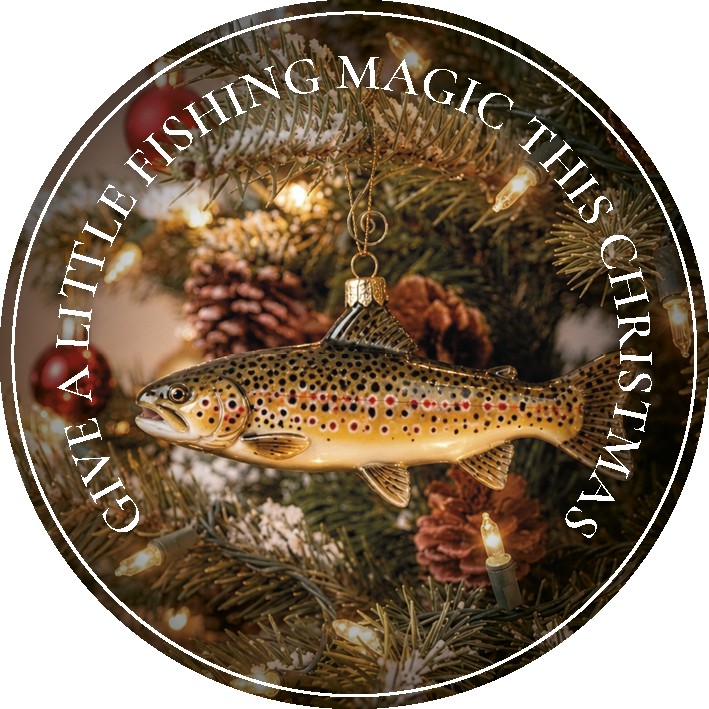
Give a little fishing magic this Christmas


Like a great many small businesses most of our computer ecosystem operates via Microsoft, including Constant Contact that hosts the Newsletter you are currently reading.


So, it was less than stellar timing that our Give a little fishing magic this Christmas marketing campaign began last Friday, twelve hours into the Microsoft outage. I think we went a full eighteen hours without any Outlook emails though our online booking and payment system continued unaffected.

However, it runs on the PHP system which was in the news last month though, mercifully, we had no problems but the Cambridge maths genius who manages all things computer for us is currently upgrading PHP plus security fixes.


Anyway, enough of our back office woes, let me briefly reprise Give a little fishing magic this Christmas in case you missed it amongst the cyber meltdowns.

With Christmas fast approaching, the Fishing Breaks gift voucher is a truly unique gift for every fly fisher and fly-fisher-to-be. I have outlined some of our most-popular choices below:


A Day of Private Tuition

A memorable day learning to fly fish at the beautiful Nether Wallop Mill. Ideal for single rods, couples and groups!


NEW for 2027 A Day on the Itchen

The crystal-clear Itchen awaits. Fish this independently, with a pal or enjoy the company of one of our top fishing guides.


A Day on the Test

Experience a special day on the Test, either fishing independently or with one of our expert guides.


Fly Fishing Your Choice

Our most popular voucher which can be redeemed against any of our chalkstream beats, holiday cottages, or a session at our fishing school. From £50 onwards.


A Day on the Wye with John Bailey

Fish with the legend himself – and have a go at chasing some savvy chub and barbel.


You can view our full range of vouchers below, or if you are looking for some more advice, please contact Sarah or Lucy on 01264 781988 or via email: info@fishingbreaks.co.uk


Printed gift vouchers: For guaranteed delivery before Christmas, please place orders by Friday 18 December 2026.

Quiz


The usual collection of questions based on the date today and random topics touched upon in this Newsletter. Good luck and the answers below. It is just for fun!


1)      Which famous British car company bought which other famous British car company on this day in 1931?


2)      The first book in the The Lord of the Rings trilogy was published in what year? A) 1934 B) 1944 C) 1954


3)      Of the 27 EU members how many do not use the Euro? A) 2 B) 4 C) 6


Have a good weekend!


Best wishes,

Simon Signature

Simon Cooper simon@fishingbreaks.co.uk

Founder & Managing Directorwww.fishingbreaks.co.uk

1)      Rolls Royce bought Bentley Motors

2)      1954. Originally written as a single book it was published in three parts due to post-war paper shortages.

3)      Six. Czechia, Denmark, Hungary, Poland, Romania & Sweden.

No comments:

Post a Comment