Friday, 6 November 2026

That was the year that was 2026


Greetings,


Another season draws to a close; I find it hard to believe this is my 36th since I began Fishing Breaks and I have clocked up over half a century since my first trout. Human time, it seems, is as ephemeral as our iconic Mayfly.


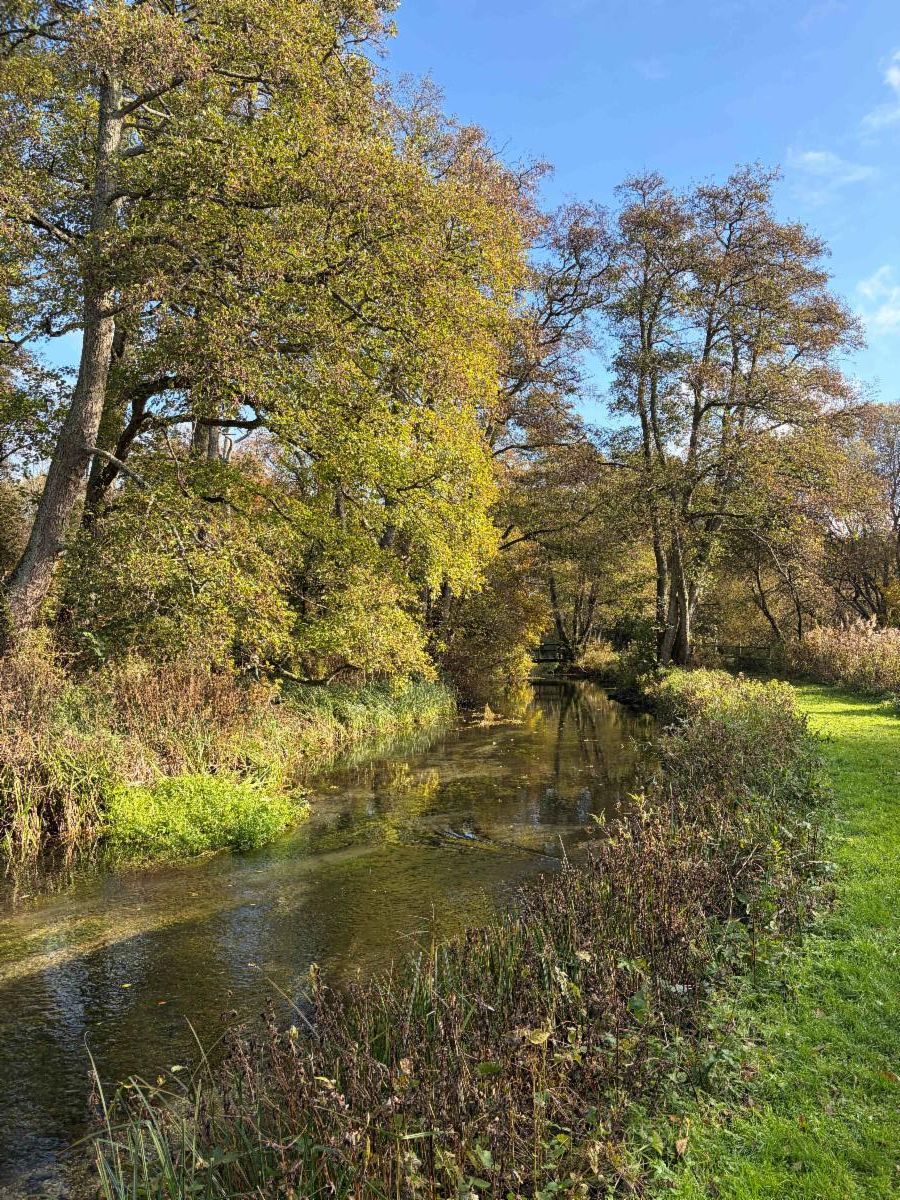
On Monday I caught up with keepers, Si and Charley at Bullington Manor to prepare a list of winter maintenance jobs. As we walked the beat, we marvelled at the difference the stupendous rainfall of late October, the wettest reporting week in England since October 2024, has made to the river. For months we have been staring gloomily at an apparently lifeless, claggy riverbed but quite suddenly it is bright and clear, new sprouts of green ranunculus waving gently in the revitalised flow, the autumn sunshine spurring on some last minute growth. 

November hues at Bullington Manor

Even springs were starting to flow from the woods, the small cascades that tumble ever so quietly into the river a reminder that 4/5ths of chalkstream water emerges from below rather than falling from above. It is a geological nicety that has saved us in ’26, one of the wettest winters of record laying down the water store that has taken us through one of the driest summers on record. Because, however dry this summer was, water still lurked unseen beneath us and even now the measured groundwater levels, that is to say the liquid trapped in the soil, is rated as Normal so that October rain has bought life back quicker than you might have thought possible.


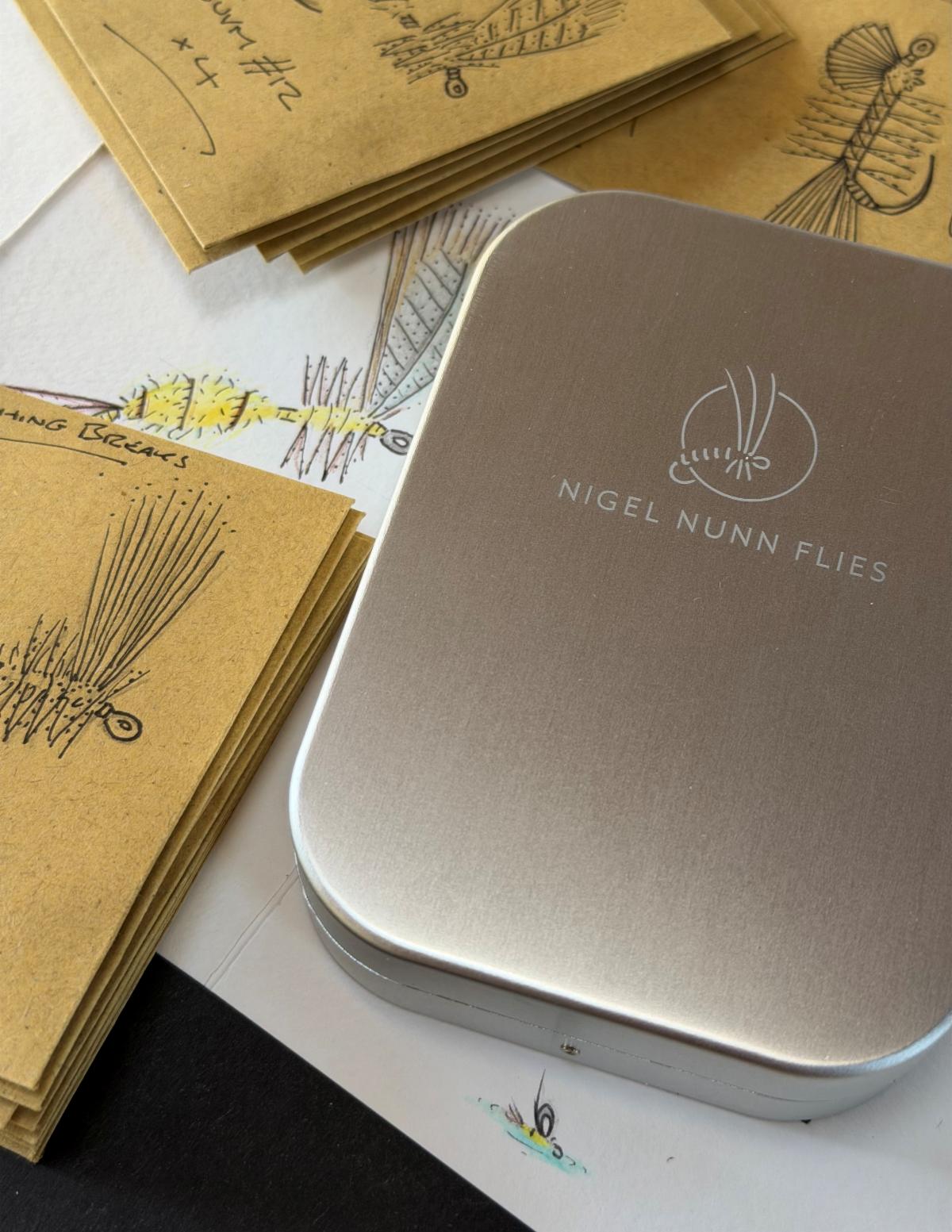
The end of the season marks the final Feedback Draw of the year with the El Gordo from our vicemaster Nigel Nunn- a magnificent Wheatley fly box bulging with Nigel’s greatest hits from this season. Nigel writes of this amazing prize,


“A full season of my flies, 15 patterns, 4 of each fly, 60 in total that can be fished with confidence pretty much anywhere in the world. Plus a specially engraved Wheatley traditional 4” flat foam fly box (my favourite type of box) to keep them in and a totally unique hand drawn book illustrating all of the 15 patterns.”


The prize goes to Douglas Gordon who fished the River Meon back in the summer. A line in his report raised a smile, “My catch return came to an unimpressive one tree and two bushes…….🤨.” Douglas, we feel your pain, we have all been there ………

The Nigel Nunn 2026 Collection

No room in the wild for the lynx or bison


News from environment department, unearthed by The Times newspaper by way of a freedom of information request, makes me wonder, or at least hope, that the rewilding bandwagon may have run into the bogland those bucolic absolutists purport to support.


It seems that earlier this year the then Defra Minister Emma Reynolds, who moved to the Treasury in July, killed the attempts to introduce bison and lynx into Britain. She saw off the thin-edge-of-the-wedge strategy deployed by the lynx and bison lobby, the same strategy that so easily bamboozled Liz Truss (can you imagine that happening!) when she held the same post as Reynolds in 2015 that saw her sign into law the beaver introduction.

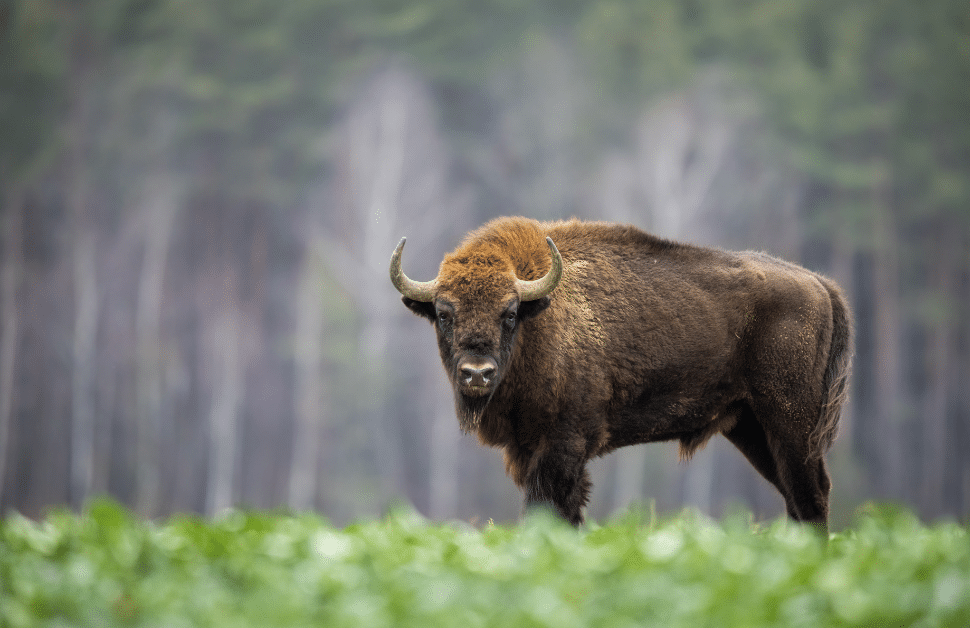
A captive European bison in Cumbria

The process is pretty subtle, or as Baldrick would say something of a cunning plan. First, you ask a quango, in this particular case Forestry England to consult on the ‘risks and opportunities’ of the proposed introduction. Next, bison and lynx coming under the auspices of the Dangerous Wild Animals Act you start discussions to find a carve out for them on the basis of ‘conservation’. None of us are dumb – we all know the final destination when any government consultation sets off from the station. All credit to Reynolds for doing the right thing.


It is the right thing because these introductions, regardless of any merits, are a massive distraction to the huge harm being done, and often for reasons we do not really understand, to our already struggling native populations. If we cannot even protect our hedgehogs and water voles what the hell are we doing wasting time and money on long gone species like the bison to ‘save’ our landscape?


It is no exaggeration to say that the beaver introduction is costing the taxpayer tens of millions of pounds a year and has spawned a bureaucracy running into the hundreds of personnel mostly funded by you and me. Would not all that time, effort and money not be better channelled into saving what we already have such as, say, our songbirds?

Hooting wars


The owls have been going bonkers this week. Just as soon as it is fully dark, a cacophony of twit-twoos and more harsh screeching calls echo across the still nights of the Wallop Valley. To start with, the calls are vigorous and insistent, seemingly based on an angry anything-you-can-do-I-can-do-better until, after maybe an hour, the owls apparently fade into a sullen silence with just the occasional shout-out.


I must admit I am no owl expert but they are part of the weft and weave around here; the water meadows now cut for the winter are prime hunting grounds at dusk and dawn. We have just five native owls but the ones we mostly see and hear around these parts are the Tawny Owl, he of the traditional twit-twoo call and the Barn Owl, who we know as the screecher. These two species account for over 9/10ths of the British owl population with the remainder is ascending order of rarity being the Little Owl, Long-Eared Owl and Short-Eared Owl.

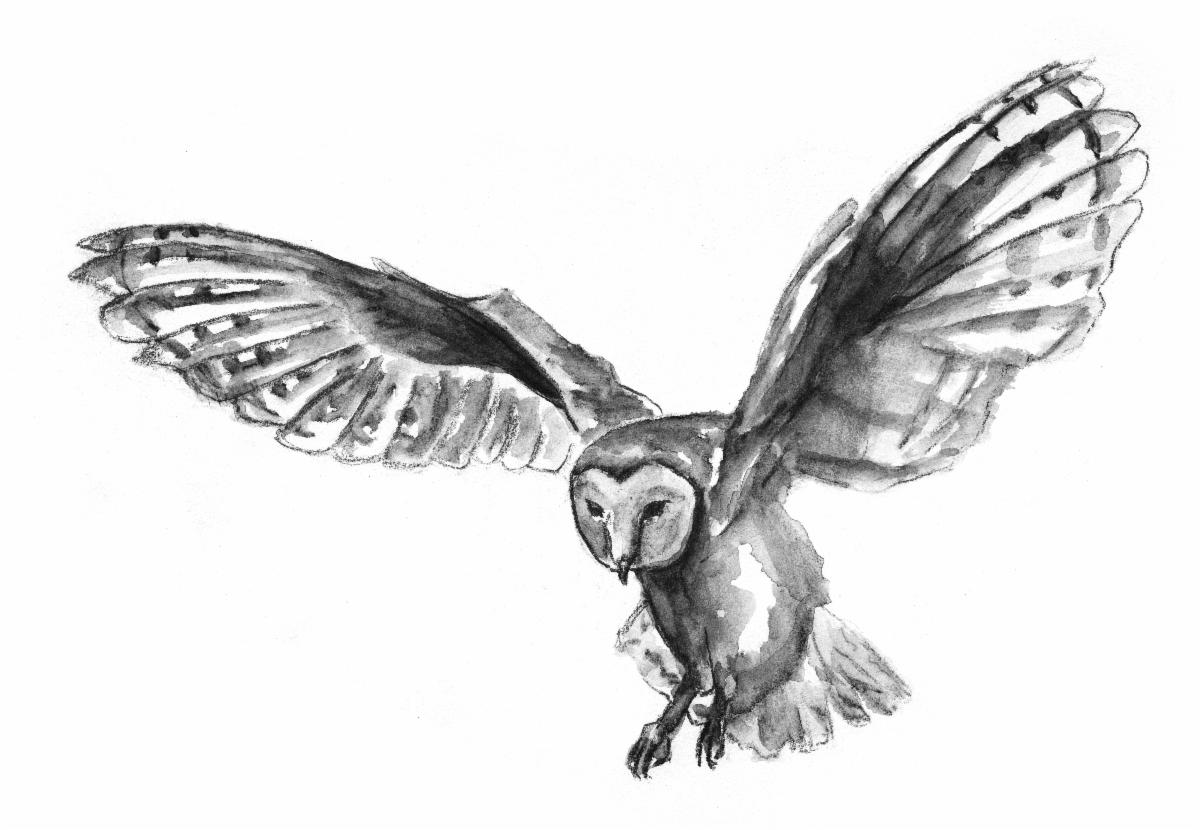
'Tawny Owl in flight' by Minnie Cooper as illustrated in Tales from The Mill

The evening cacophony is territorial; with winter approaching it is all about protecting your food source in the months ahead and with an itinerant, juvenile population looking for a place to call home asserting by way of the calls who rules each particular roost is what it is all about. Tawny owls are particularly aggressive in this respect and if the birds come close the stand-off escalates into wing-spreading, beak snapping, hissing, growls and, if none of that works, full-on fights with locked talons in the trees or rolling around on the ground.

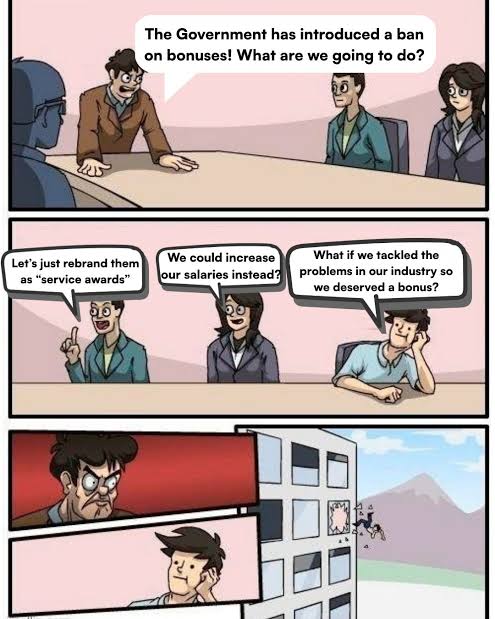
My bonus good, your bonus bad


I had a small, ironic smile when I read the comment by Alan Lovell, Chairman of the Environment Agency, on the stripping of the annual bonuses from six water company bosses. The companies, said Lovell, had fallen ‘well short of the standards rightly demanded of both us and the public’.


Hard to disagree with that. It would equally be hard to disagree with Lovell had he levelled the same comment about the organisation he chairs but, believe or not, the Environment Agency, an institution so failing it will likely be abolished soon, doles out annually £8.5m in staff bonuses. 

Now to be fair to Lovell that does not include him and his fellow Board members, though you might argue his £100,000 a year for 3½ days a week in plenty anyway. However, Chief Executive Philip Duffy and Executive Director Sarah Chare both pocketed an annual bonus of £10,000 - £15,000 in 2026, something like 5-10% of their respective salaries. These are hardly Kings Ransoms, but it is a rather Animal Farm like; my bonus good, your bonus bad. If bonus cancellation is about sending a message, where better to start than at home with a failing and despised regulator?

Quiz


The usual collection of questions based on the date today and random topics touched upon in this Newsletter. Good luck and the answers below. It is just for fun!


1)     Which well-known board game was released on this day in 1935?


2)     In what year did the Gunpowder Plot take place? A) 1605 B) 1655 C) 1705


3)     Which English city, the 4th or 5th largest depending on how you measure the population, has had the owl as its official symbol since 1626?


Have a good weekend.


Best wishes,

Simon Signature

Simon Cooper simon@fishingbreaks.co.uk

Founder & Managing Directorwww.fishingbreaks.co.uk

1)     Monopoly

2)     1605

3)     Leeds

No comments:

Post a Comment