But Lough Conn is not as it seems for what we see and fish today is not as old as Ireland itself; it is the product of the massive government Moy Arterial Drainage Scheme of the 1960’s, that continues to this day, that lowered the water level by 6ft. Why? Well, it was not about the fishing for the plan when executed was a disaster for the lake ecology, sending into extinction the unique Arctic char population. The native brown trout were largely replaced by coarse fish and the spawning grounds for the Atlantic salmon, that ran up the River Moy and which itself was also massively reengineered, became dry land.
Did anyone suspect this would happen? I think the chances are yes as it was fiercely opposed by local anglers and fishery workers at that time when the inland salmon industry was truly huge. In the local town of Ballina, through which the Moy flows, the annual salmon catch in the 1950’s weighed in at a quarter of a million pounds, somewhere in the region of 50,000 fish from just one short section of a 68- mile river. But County Mayo was, back in the 1960’s, as it is today, a predominately agricultural region and one of the poorest in Ireland. The Drainage Scheme certainly succeeded in preventing regular flooding to some 48,000 acres of farmland but the 1,000 acres or so of newly reclaimed land around Lough Conn, after thousands of years of submersion, remains today little more than unproductive scrubland.
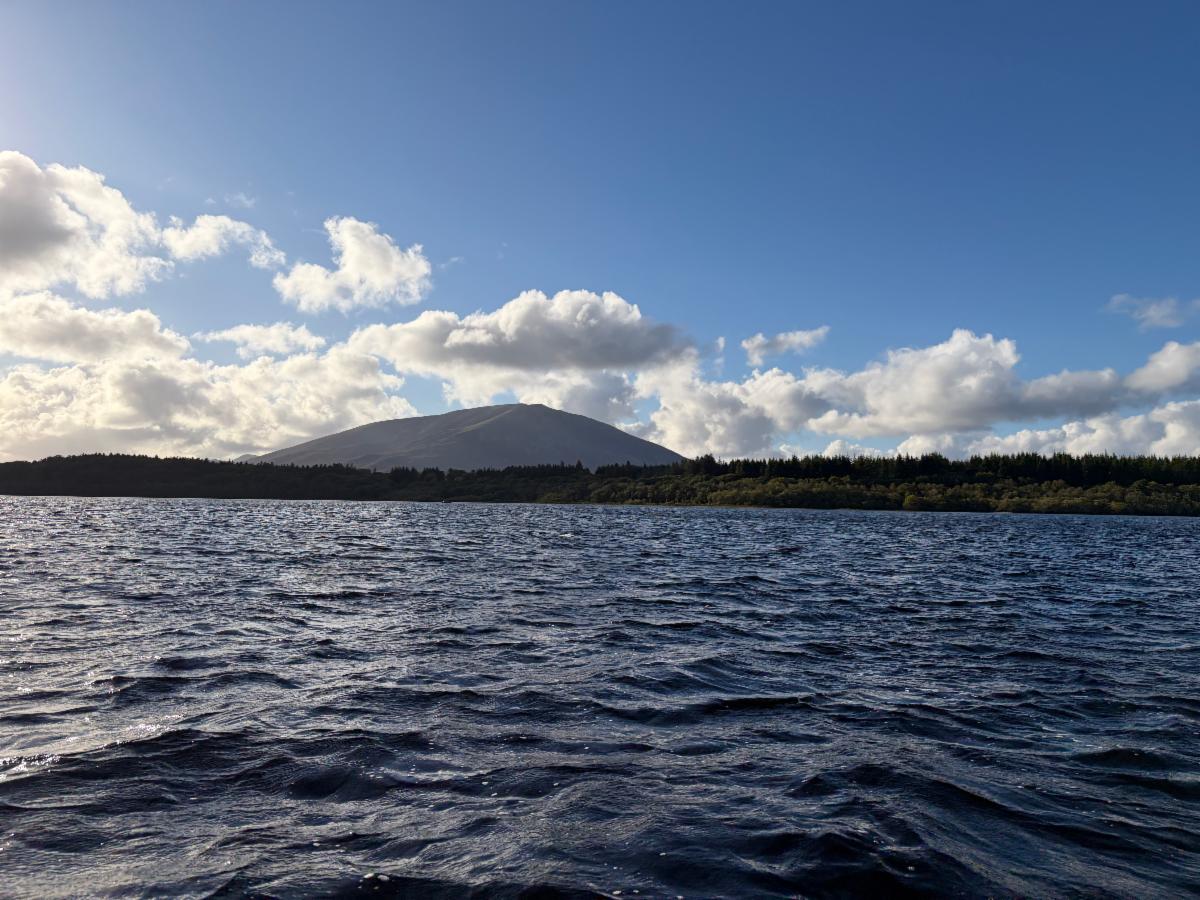
The bones of this past to Lough Conn were imparted to me by my gillie Gary- an Englishman implanted to this part of Ireland some three decades ago. It is fair to say we had a famously good day together; I do not do much drift fishing but sitting in a boat, yarning away, pushed along by the wind and casting speculatively over dark, choppy water that might contain the fish of a lifetime somewhere in the depths I find endlessly alluring. | 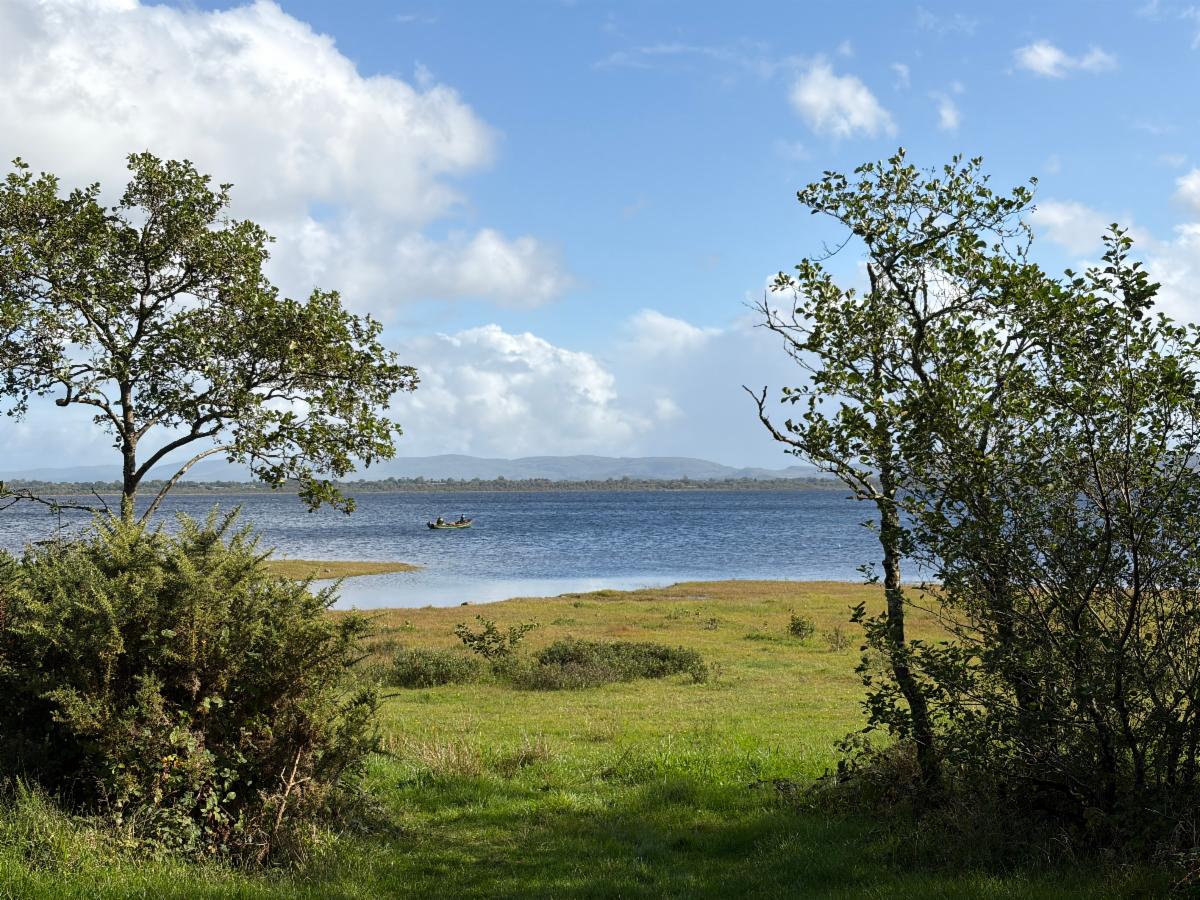




No comments:
Post a Comment