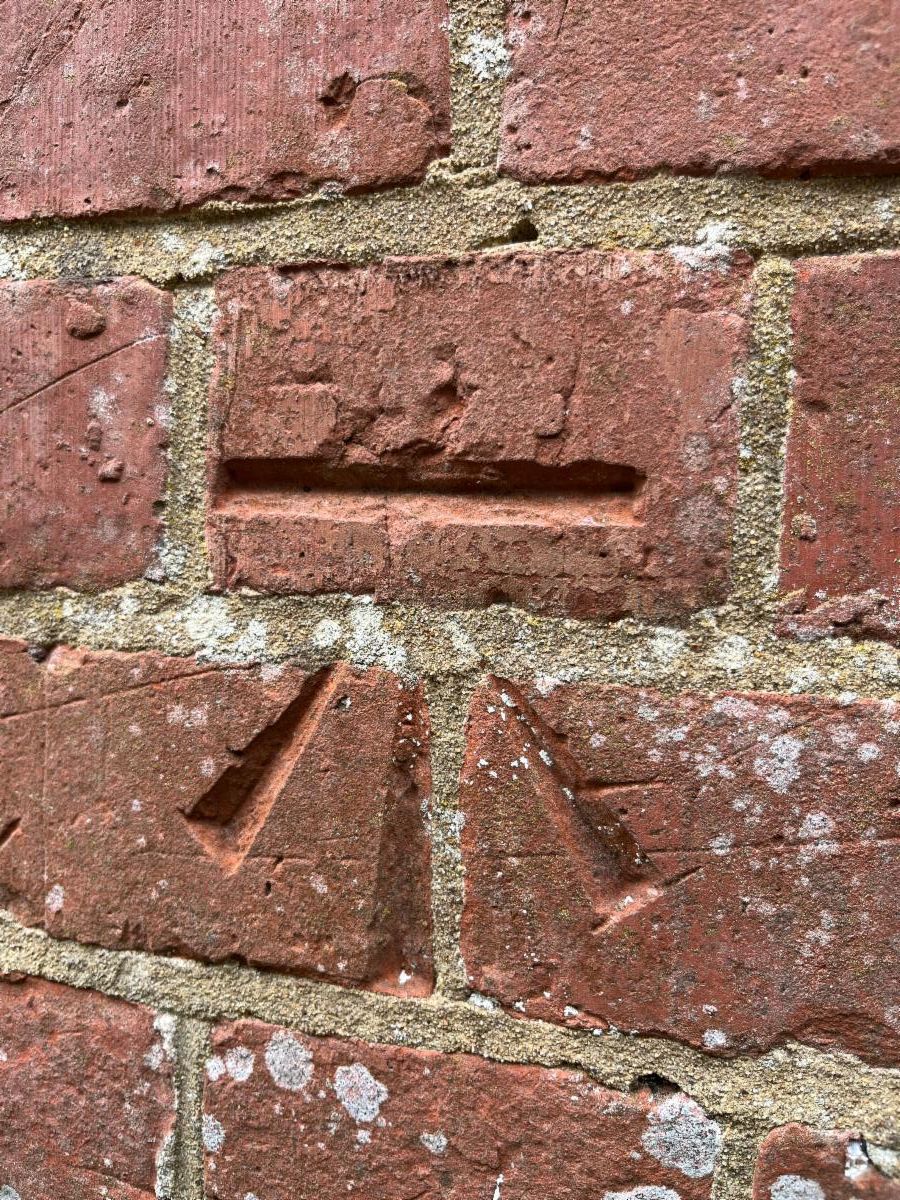
There is, apparently, a mammoth network of benchmarks or ‘broad arrows’ which have been ‘chiselled’ into buildings by the Ordnance Survey mapping company since 1840 to help surveyors measure altitude relative to mean sea level. In total some half a million marks have been made since then in three distinct Geodetic Levelling phases of 1840–1860, 1912–1921 and 1951–1956. However, many of the buildings along with the marks, have long disappeared.
I must admit I have never really thought about the concept of sea level; it seems to me to be one of those universal constants like gravity but I guess, when you think about it, is sea level measured at high tide, low tide or somewhere in between? And does the level vary according to coastal or country location? Well, as it turns out there is a thing called Ordnance Datum Newlyn which is the official vertical reference framework for mainland Great Britain.
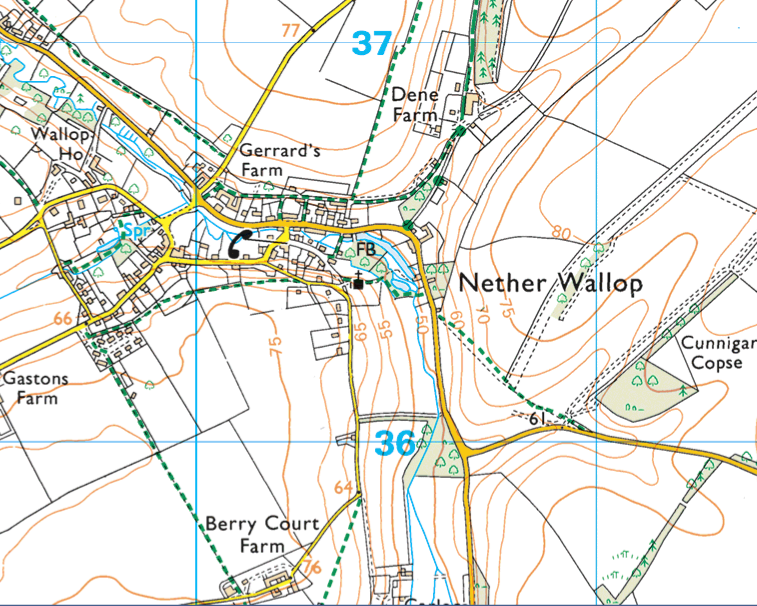
Established using tide gauge measurements taken in Cornwall between 1915 and 1921, it defines 'height zero' which dictates the elevation of all hills, buildings, and maps across the country. Of course, that all does rather beg the question how do you measure your benchmark against height zero which is certainly not visible and maybe hundreds of miles distant? The trick was that surveyors used a specialised spirit level to perform geodetic levelling with which, starting from Newlyn, they measured the height difference between one fixed point and the next which in my case, thanks to the comprehensive record keeping of Ordnance Survey, we know took place in 1958.
Anyway, at 166 feet (or 50.56m) above sea level it is good to know that it is one form of flooding I do not need to worry about. | 





No comments:
Post a Comment