Friday, 5 June 2026

Mayfly being a tough act to follow, God created June


Dear Simon,


This has been one of the earliest and longest Mayfly hatches I can recall for a while; even on the first Bank Holiday weekend of the month they were hatching like crazy on the River Itchen. The last time that happened was back in Covid, so it is not entirely without recent precedent.


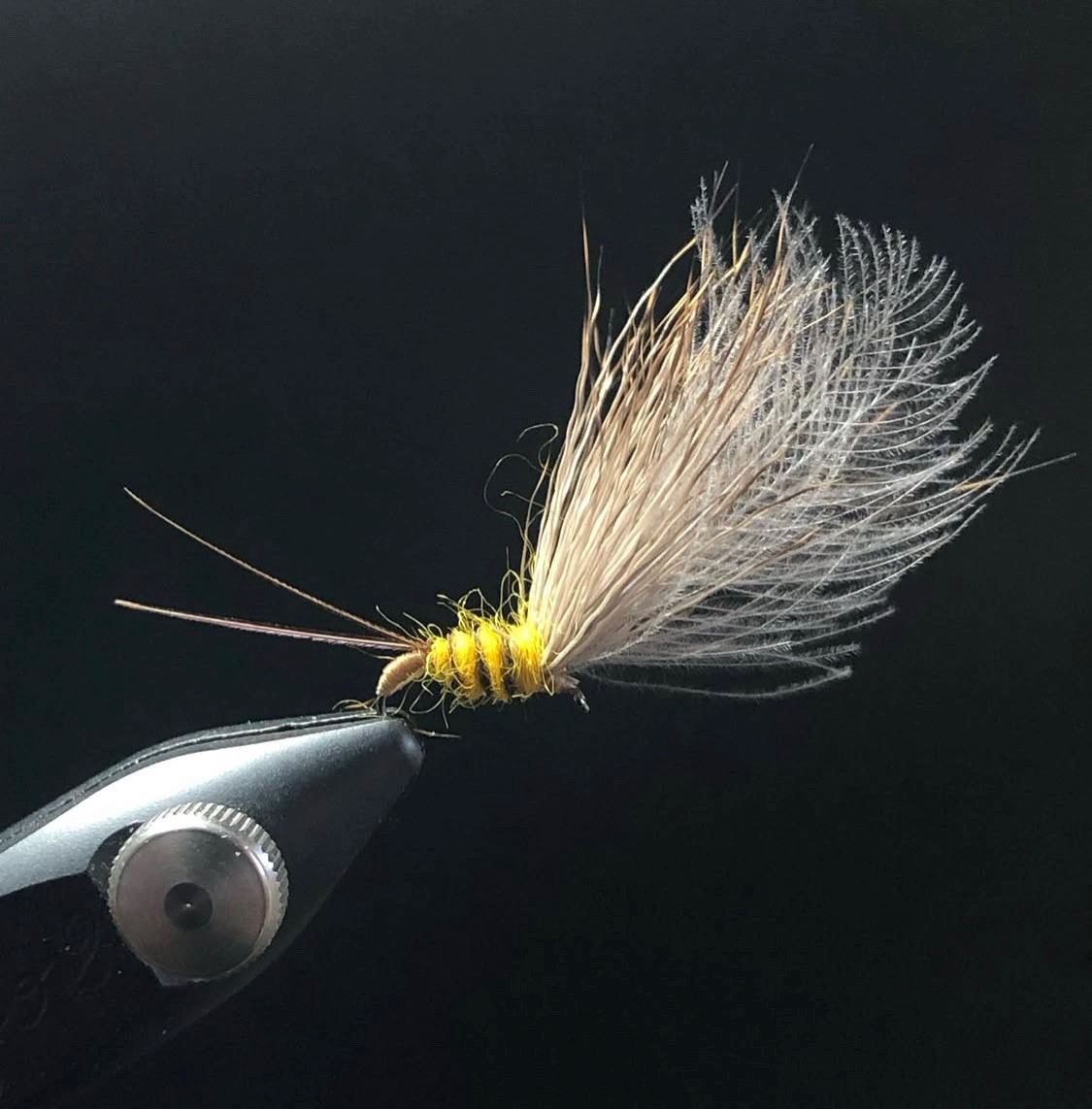
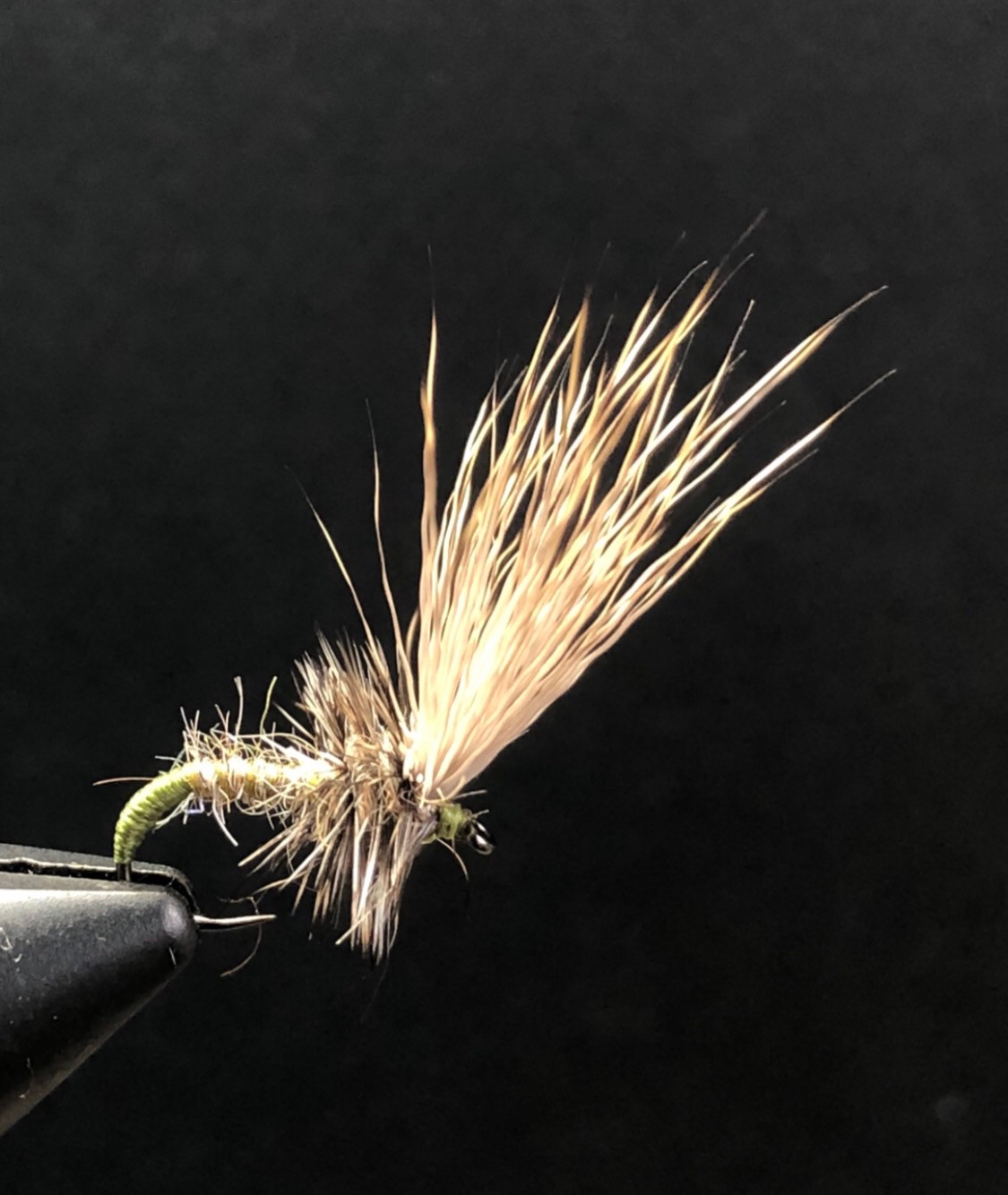
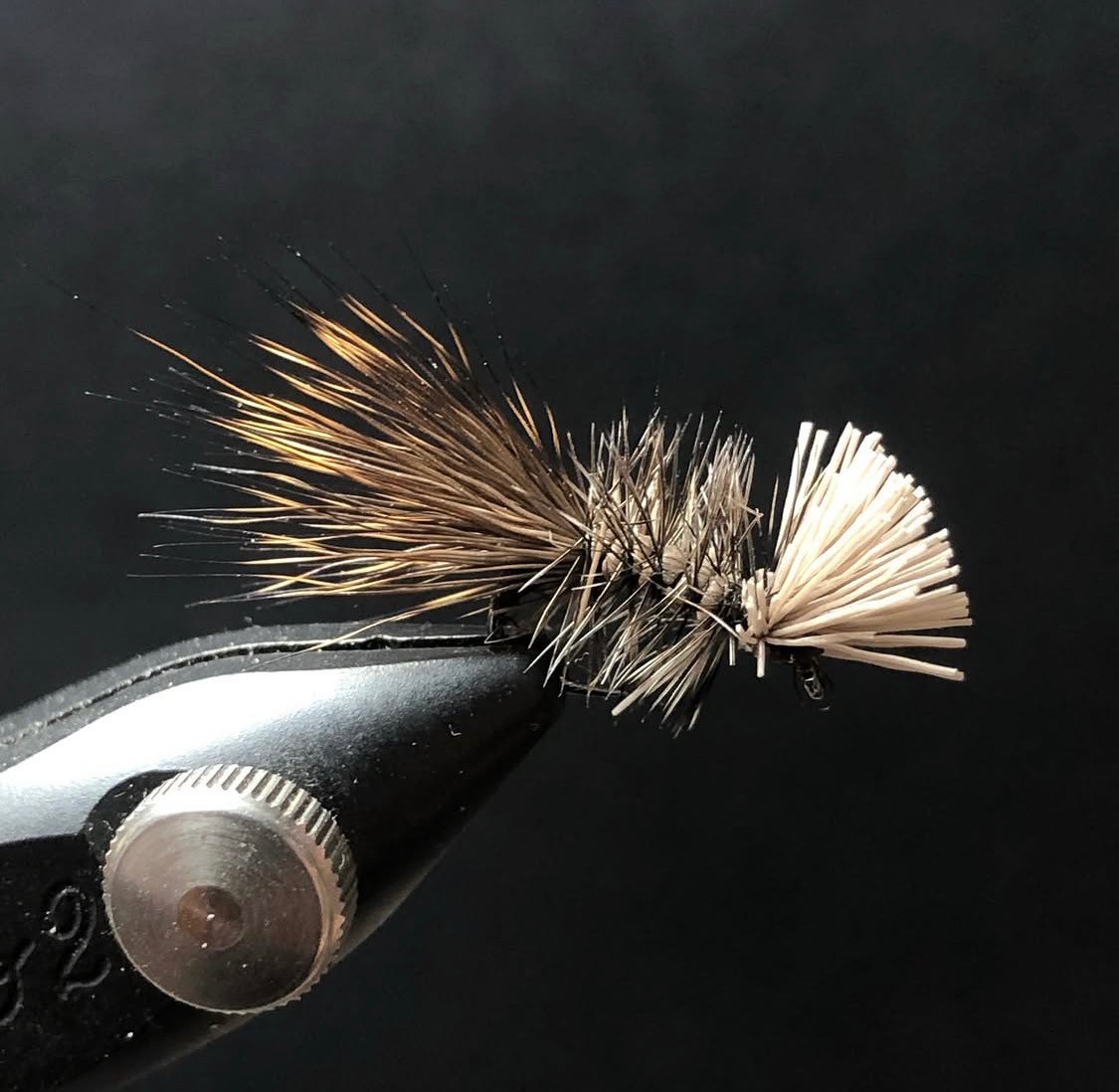
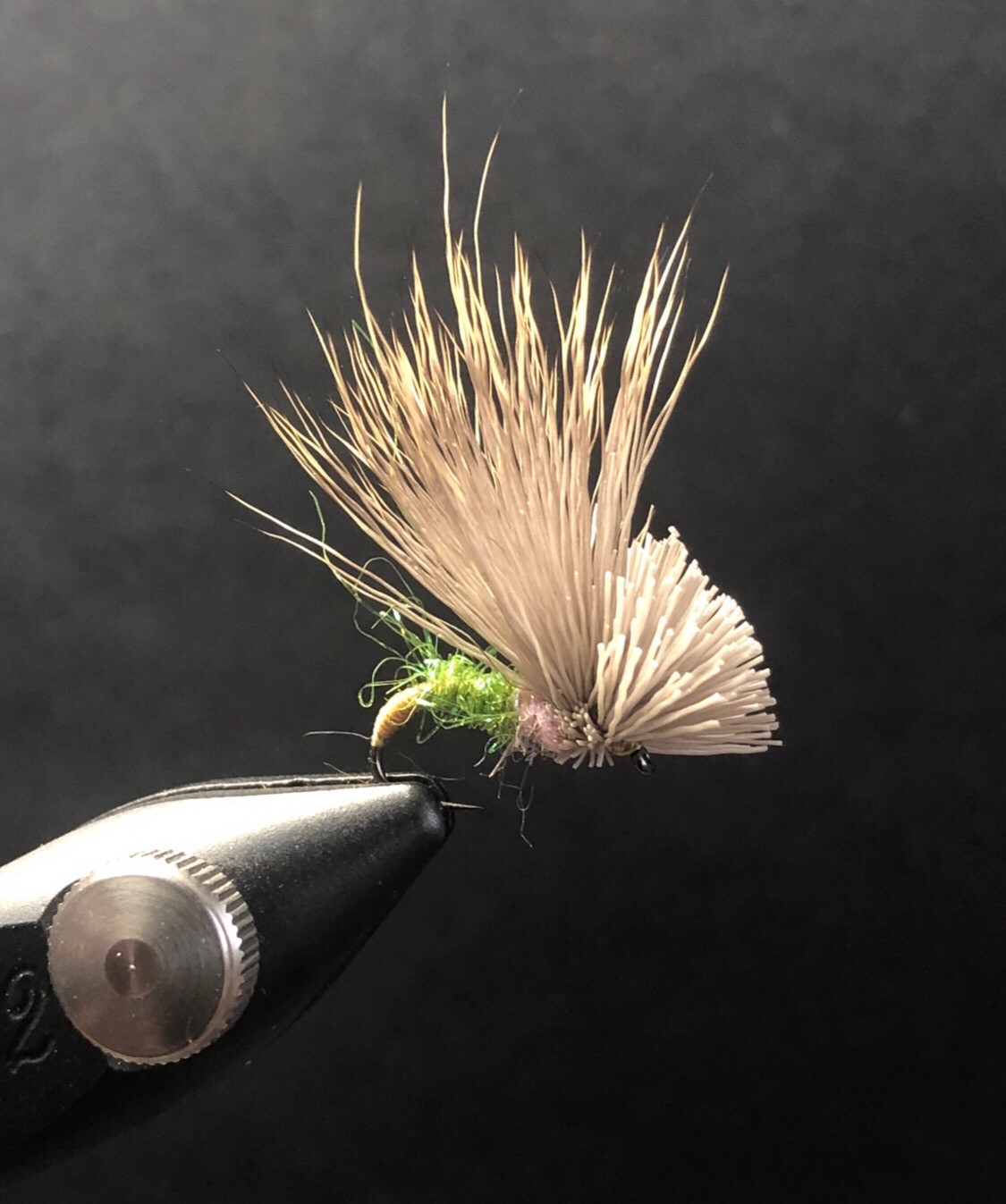
On the whole this was a good Mayfly – long and steady. The brutal week of heat towards the end of May made the fishing really tough though, if the truth be told, more for us than the fish. In terms of successful fly patterns, you ranged over a huge palette: Mohican, Grey Wulff, and Green Drake featured prominently in the catch reports along with a variety of emerger patterns.

Nigel Nunn's June 6 (top and l-r);

Yellow Pheasant Tail, Shaggy Olive, PHs Dyret & Gypsy Queen

The weather was normal except, as noted, when it was not. Rainfall for May will be a bit less than usual, but I was surprised when the February-April data came in to see that we were bang on the long term average for those three months combined. This explains why, after a wet winter but dry March-May, water levels are not suffering. Si Fields, our head river keeper, has Kimbridge on the River Test currently as high as he has ever seen it for the time of year, almost at winter height. Here at The Mill, I still have the gate to the mill race open, which is exceptional for June.


So, my final task to wrap up another May is to announce the monthly fly draw winner, who is Alex Ellis who fished for two days on our Wiltshire rivers plumb in prime Mayfly. The selections from our vice master Nigel Nunn are in the post and remember if you are sad that Duffers Fortnight is past, Mayfly being such a tough act to follow, God created June.

Show me the money

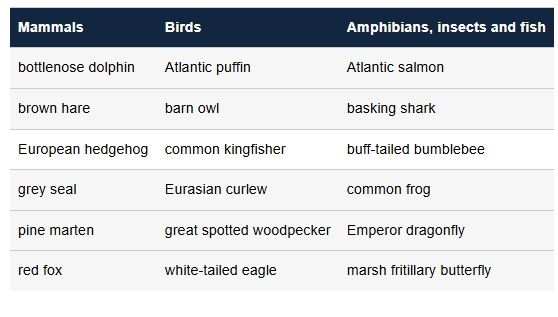
Back in March the Bank of England announced that the human historical figures on the current banknotes were to be replaced with British wildlife and appointed a panel of six to draw up a shortlist from which we, the great British public, would have a say as to which made it on the £5, £10, £20 and £50 notes. As ever with these public ‘consultations’ I smell a stitch up.


You will see from the list that only two fish made the list of eighteen. I applaud the inclusion of the Atlantic salmon but the basking shark? Of course, as the world’s second largest fish, it is an impressive creature, but it is only a distant visitor to our shores and has no historical back story relating to England. Where are the herring or cod for instance? Both these have had economic and cultural significance dating back centuries.


As for the mammals, I thought the water based bluenose dolphin and grey seal a bit of a stretch for the category and consider the otter far more worthy of inclusion and I am sure you can think of others. The bird category seems to suggest the panel were simply trying to be different, or maybe obtuse, in that not a single one of the six they chose features in the top ten list of the most populous British birds. To my mind, the tiny wren which tops that population list, should have been a shoo in. 

You are invited by Bank of England governor Andrew Bailey to vote on the list as, “the views of the public will be an important consideration in making the final decision on the design.” However, before you get too excited that your view really matters keep reading, for a few lines down, we are told, “it is possible that the Bank may not necessarily choose the four animals that receive the highest number of responses.”


The voting process itself is somewhat curious with two votes in each of the three categories which reeks of gerrymandering of the crudest kind. And finally, if this whole process has not infuriated you (or me at least) enough, you are invited to complete six demographic questions including your ethnicity, sexual orientation and health status which will, of course, be used as another reason to pick whatever creatures Bailey likes regardless of majority public opinion.


It is clear that this is a consultation in name alone. As I noted back in March the panel of six who compiled the list are typical members of the quangocracy, with the CV of one describing himself as, ‘a television presenter, author and cultural strategist working at the intersection of nature and identity.’ I guess we should just be grateful that a beaver did not make the list …… you may register your vote here.

Chalkstream salmon are very, very special


I have regularly written about how chalkstream Atlantic salmon are a distinct subspecies and a recent paper published by WildFish examined 93 genetic markers to solidify this belief so our fish can achieve a higher and specific conservation status than their non-chalkstream cousins. There are a few interesting facts that have come out of this research by Dr Athony King.


Unlike their non-chalkstream counterparts, chalkstream salmon do not necessarily return to their natal rivers with, for instance, Itchen and Test salmon being genetically identical. This is due to the ‘Hampshire Basin effect’ with both rivers originating from the same chalk aquifer and thus chemically similar; the same principle applies to the Frome and Piddle. However, the same cannot be said of the chalk salmon of the rivers of Upper Normandy in France which were at one time heavily stocked from donor rivers mainly on the east coast of Scotland. The genetic signal of this stocking persists today, with French chalk salmon still showing a marked level of non-chalk ancestry.

Genetic relationship between 42 rivers of UK, Ireland & France

I guess it is fair to ask why all this matters. Well, firstly the Atlantic salmon situation is not getting any better across England and Wales, with the most recent spawning population estimates showing that only seven rivers out of the 58 assessed were above their Conservation Limit. Secondly, in the ultra-competitive world of international species classification the higher the conservation value the greater the legislative protection which in turn may lead to greater funding for further research and conservation efforts.


You may read a summary of the report here …..

When reading your own book is less than fun


I can honestly say the two days I spent in a Soho recording studio last month were two of the worst days of my life.


The plan was to record the audio version of Tales from The Mill myself. This is not something I had done with any of my previous three books, but I thought well, it will be an interesting experience and anyway, how hard can it be? The truth is very hard. By lunchtime on day one, just a few hours into the process I was set to pack it in regardless of the considerable cost implications. But I went off to lunch, gave myself a good talking to of the mental kind and headed back if not exactly reinvigorated but at least determined.


I am not sure what was so bad about the process. Was it the fact that the tiny little cube you sat in was so cut off from the world? Every little sound you made was picked up by the ultra-sensitive microphone, even to the extent of a gurgling stomach. Choose wisely what you eat for lunch I was told. Did I know the book too well? I certainly never truly appreciated what long, complicated sentences I sometimes write! I think the producer, who sat outside the box separated by the thickest window I have ever looked through, sensed my general frustration for, as we entered the final few hours, he counted us down with markers such as ‘just 10% of the book left’ or ‘only 5 more chapters.’ Bless him.

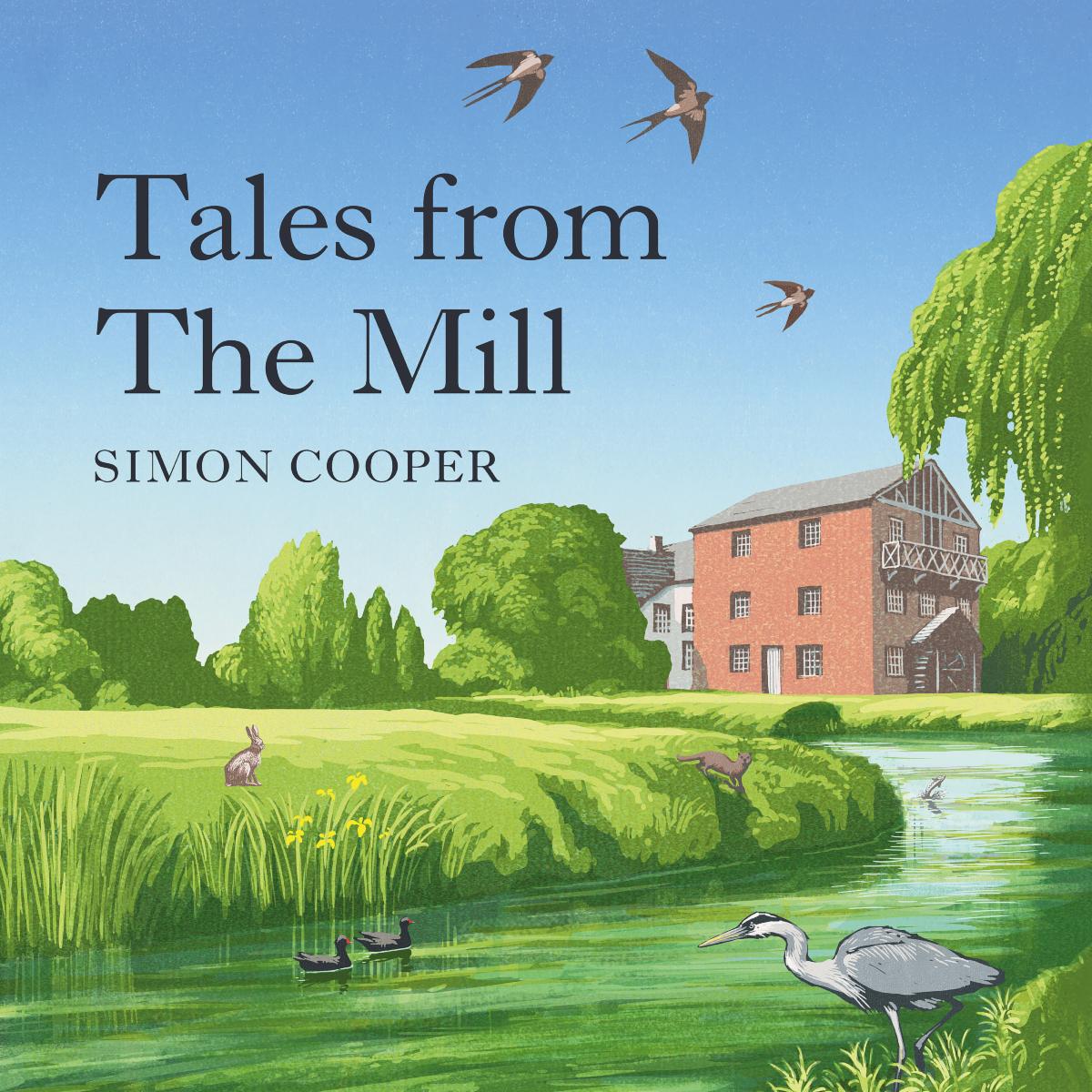
Tales from The Mill now out as an Audible Audiobook

Aside from the fact that I am clearly not a practised narrator, I had not realised how physically demanding it might be. Sitting in the same chair for two days with little opportunity for distraction or movement is bad enough in itself, but the toll on the vocal cords is awful. By the end I was rasping rather than breathing; it took a full two further days for the soreness of my throat to abate.


I cannot tell you how happy I was reading the final few pages. As I stumbled out of the booth I registered the digital display on the recording equipment: 633 minutes. Mercifully, for you listening to the audiobook it is nowhere near that long but with my constant retakes, coughing fits and numerous other stumbles whilst reading, that is how long it takes to record a book with an actual listening length of 270 minutes.


Anyway, all that is a very circuitous route to tell you Tales from The Mill is now available in audio book format via Amazon, Audible and most similar platforms.


LATE NEWS: Due to a cancellation, there are three tickets left for the Tales from The Mill event here at Nether Wallop Mill on Monday. Book tickets here ..

Red kite delight


To Buckinghamshire last week to visit our fishing on the River Wye at West Wycombe Park where there will soon be the addition of a fishing cottage within the magnificent grounds of the Estate; news to follow later this month.


You may never have visited but the odds are that you are familiar with West Wycombe Park without knowing it as it has been the location for many a famous film and TV shows. These include going back a while Clockwork Orange but more recently Downton Abbey, The Crown, a Fast & Furious, X-men, Bridget Jones’s Baby and A Very British Scandal. Next up this summer is Guy Ritchie’s Young Sherlock.


Anyway, having dealt with business I took the chance to walk around and came upon this newly cut hay field that was teeming with red kites. I have never seen so many in my life. If I say twenty-five, I do not think I would be exaggerating. Some were patrolling around in the recently shorn grass. Other were communing in groups along the fence. A couple seemed to be in deep conversation on the water trough whilst others circled the skies, peeling off from time to time to join the land party.

West Wycombe kites. Hard to spot but I promise you they are there!

I was astounded to see so many in apparent harmony; around here in the Test Valley they appear to be far more solitary birds. But, it seems, red kites are really quite gregarious birds and gatherings, sometimes called kettles, are routine. There are a whole variety of reasons from young birds socialising to share learnt skills to soaring together on localised thermals and, as probably was the case here, sharing an abundant food source. A newly cut hay meadow is a veritable killing field exposing, as it does, all the mice and voles who had, up to that moment, lived under the safety net of the long grass. Nature can be often cruel.

Live in the same postcode as Sting


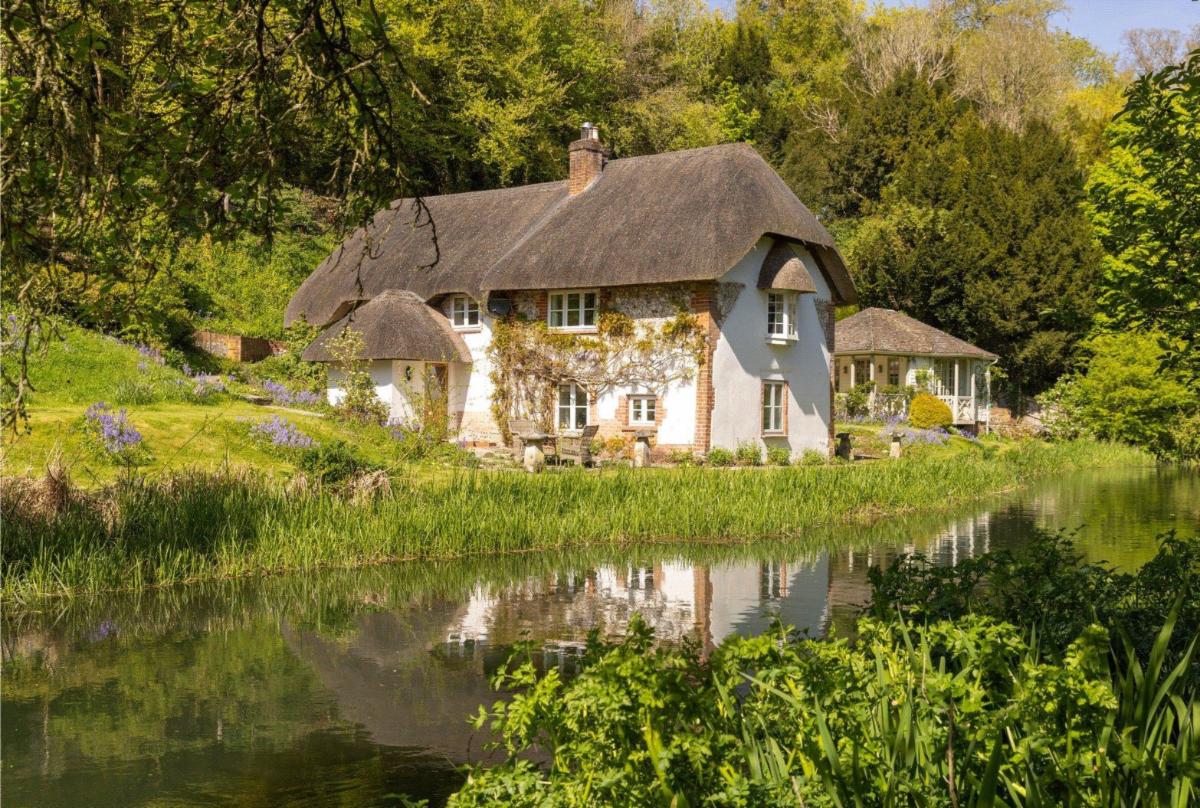
Though it is fun window shopping I know too often I only bring you news of super expensive fishing properties for sale. I hesitate to say today’s is ‘affordable’ and it does not exactly come with a lot of fishing (58 yards to be exact). But it is on a prime section of the River Avon, and you will be in almost earshot of Sting, former front man of The Police, who lives just downstream.


Kingfisher Cottage, a picture postcard Wiltshire whitewashed thatched cottage, is perched right on the riverbank in the tiny hamlet of Wilsford cum Lake. It is on the market at £1.295m with Stockbridge estate agents Evans & Partridge. Contact Jamie Armstrong for more details.

Kingfisher Cottage. Download the brochure here ....

Quiz


A short selection of questions based on the topics in this newsletter, the date today or something topical.


1)     On this day in 1985  American Steve Cauthen wins the Epsom Derby on Slip Anchor. In doing so what feat did he achieve that no other jockey has done before or since?


2)     Who was shot on this day in 1968 on the US Presidential Campaign trail, dying the following day?


3)     In what year did the Bank of England issue its first banknote? A) 1594 B) 1694 C) 1794


It is just for fun and the answers are below.


Have a good weekend.


Best wishes,

Simon Signature

Simon Cooper simon@fishingbreaks.co.uk

Founder & Managing Directorwww.fishingbreaks.co.uk

Quiz answers:


1)     He became the only jockey to win both the Kentucky Derby (1978) and The Derby

2)     Robert F. Kennedy

3)     1694

No comments:

Post a Comment