Friday, 5 June 2026

Mayflies older than dinosaurs


Dear Simon,


We could not go through this edition of the Newsletter, on the cusp of Duffer’s Fortnight, without some topical news on mayflies and with impeccable timing The Guardian newspaper reports on research by Imperial College London into the flight patterns of Ephemera danica who are among the world’s oldest winged insects, emerging roughly 300 million years ago – long before dinosaurs walked the Earth.


It seems that in flight even the mayflies themselves cannot indentify who is a boy and who is a girl, which in evolutionary terms is not a good look for the survival of the species. However, the people at Imperial College used 3D filming to examine the flight patterns of the mayfly which shows that it is the males who use the up-and-down flight pattern whilst the females fly horizontally, mostly above the swarm.

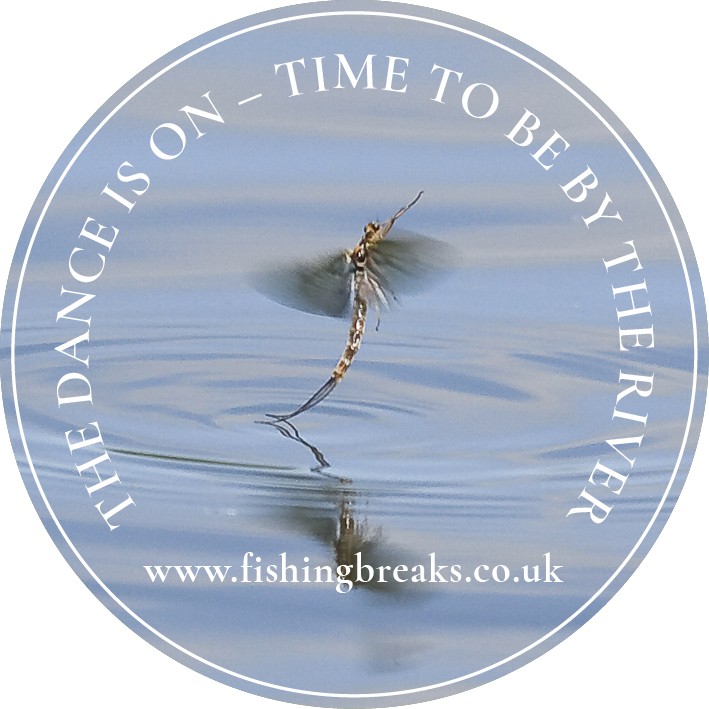
With only a few hours to find a suitable companion, time is at a premium in the mayfly mating game. Often in fading light and poor eyesight, evolution has determined that the dance takes the pattern of male mayflies flying up and down whilst looking up and flying through the females who fly horizontally above until a match is made.

When they are gone, they will be gone forever

I am not passionate about salmon in the same way I am about trout but the plight of our chalkstream Atlantic salmon cuts deep into my soul.


Thanks to the Ice Age there are only six* chalkstreams in the world that have a run of salmon which are a subspecies with the unique characteristic that the chalkstream smolts head to sea, to begin the long journey to the feeding grounds off Greenland, at the age of one rather than two.


But our chalkstreams are not alone in the decline, which is well documented for rivers around the British Isles, Europe and north America. For instance the median estimate of Atlantic salmon returns in North America was just 434,700 fish in 2024, significantly lower than the previous five-year average of 771,200 fish.

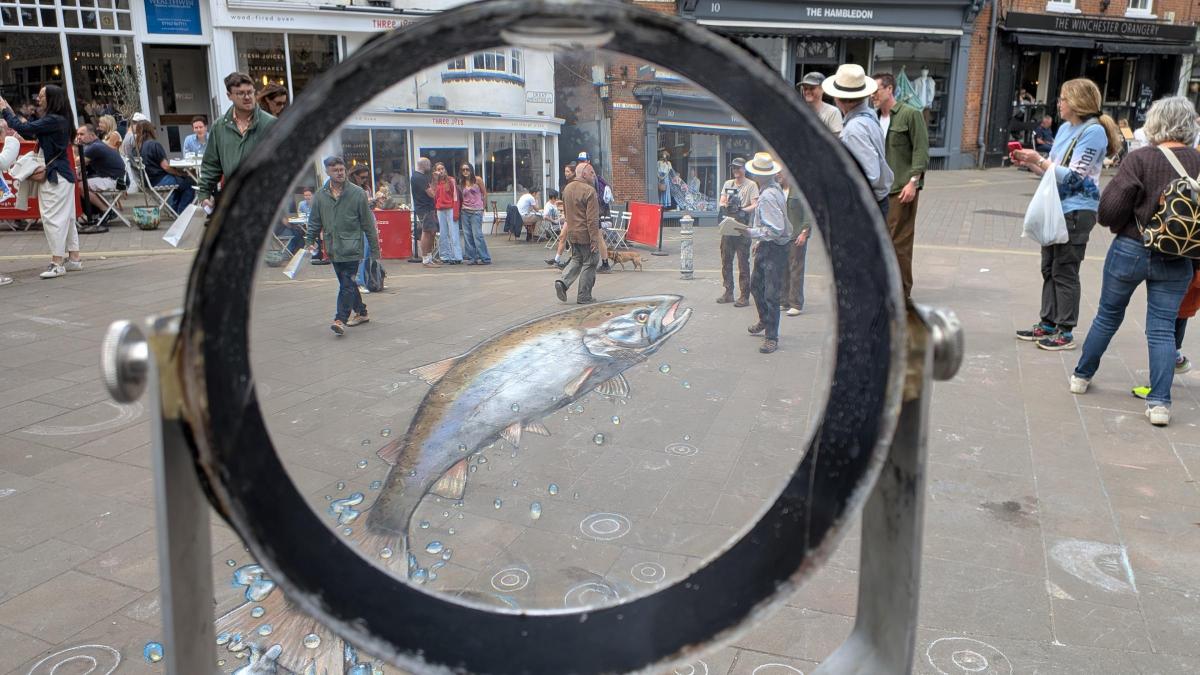
A salmon in chalk by pavement artist Julian Beever for an event in Winchester 2 May to highlight plight of the chalkstream salmon

It is clear there is a problem but what is less clear is why we have a problem and what we need to do to save the salmon. Canada recently announced $100 million to fund a National Strategy to Ensure the Future of Atlantic Salmon but despite this avalanche of money it is unclear what it will actually be spent on. Sometimes you do get a glimpse of where things are going awry, such as predation. The decline of Canada’s Miramichi River (annual run 20,000 down from 120,000) is attributed to hyperabundant striped bass with similarly smolts from our own River Frome having to dodge death from the bass and seals of Poole Harbour to reach the open sea.


But am I being over pessimistic, buying into the narrative that chalkstream salmon will be extinct within a generation? Are we, perhaps, in the downswing of natural population fluctuations? I was minded of this last week watching a documentary about the life of Bernard Aldrich, river keeper on the River Test at Broadlands Estate from the 1960’s to 1990’s. Filmed in the late 1980’s Bernard speaks of the contemporary decline in the salmon run but then tempers it by reading from the Estate fishing log of the 1880’s that speaks of a similar decline which did indeed turn out to be transitory.


Of course, nobody can be sure but the current parlous state of the annual salmon runs on both the Itchen and Test, which are currently below the number required to sustain the future population, makes this feel like an existential moment and one on which we should act now. For once they are gone, chalkstream salmon will be gone forever.


*Avon, Itchen, Frome, Meon, Piddle and Test

Fish on the bench


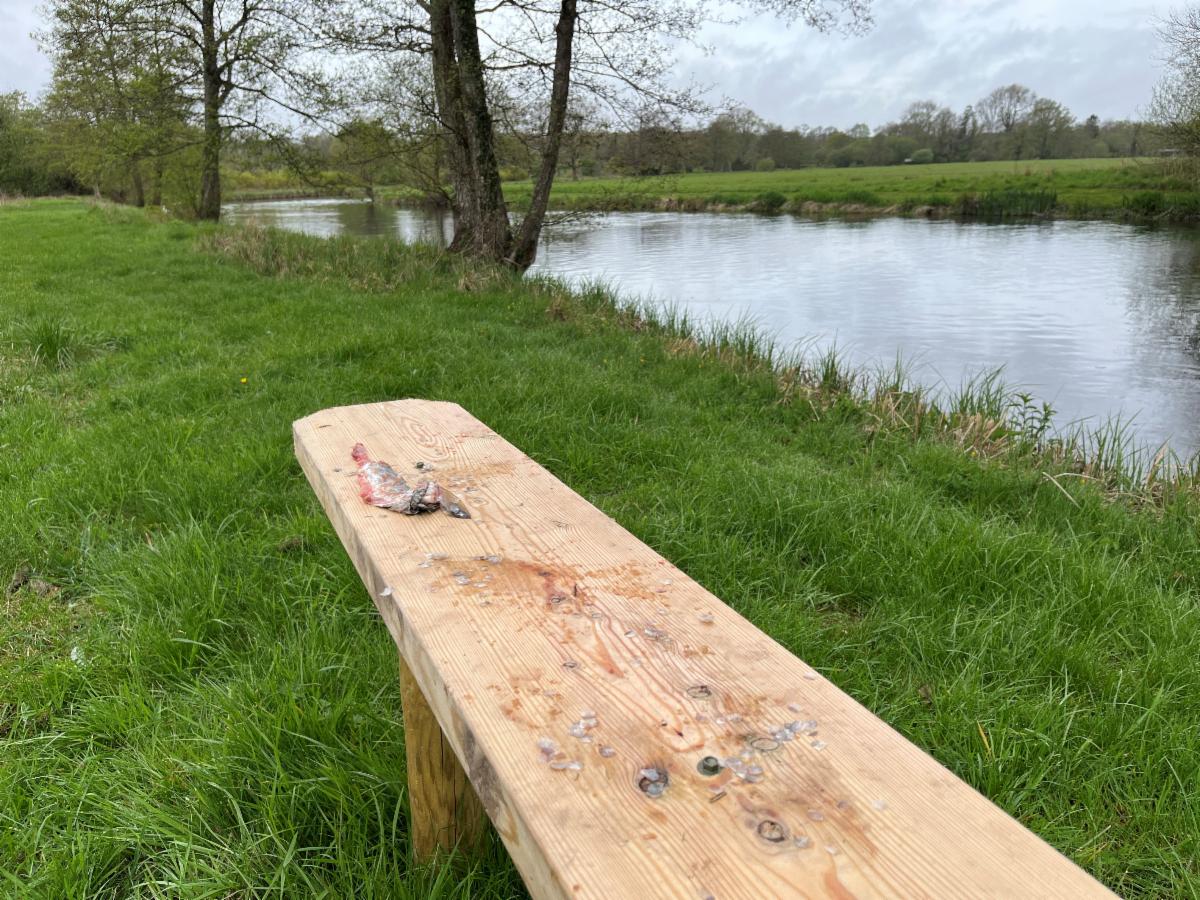
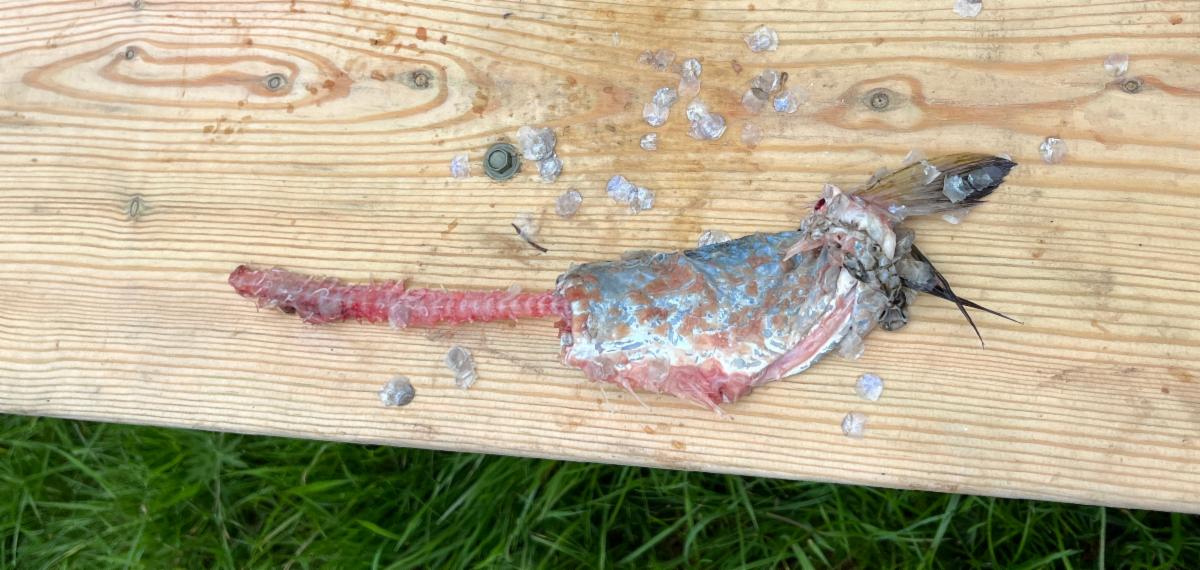
Some sights you come across on the river are simply confounding; this mostly eaten grayling on a bench at The Parsonage is one such. Si Fields and I were trundling along the bank just ahead on the opening day and spied in the grass a confetti of grayling scales. ‘Otter’, we wisely intoned to each other. And then we came upon this.

Now, there is no way this is an otter kill; otters just chew their way through an entire fish. We did wonder about a heron or egret but they are swallowers and are hardly likely to use the bench as an eating table. A rat would certainly hollow out a fish corpse but rattus norvegicus would a) likely be unable to scale the bench and b) certainly not if carrying a fish. Maybe mice? But then again, who or what put the fish on the bench?


On balance, I am edging towards a carrion eating owl or raptor who chanced upon a dead, abandoned grayling, but really this is just a guess.

Events coming up for Tales from The Mill


I have a series of events coming up through the summer to promote Tales from The Mill, but ahead of that I was delighted to be interviewed by my old friend Jack Perks in his final podcast in The Bearded Tit’s series. As the title Chalkstreams, Mills & Slugs implies our discussion ranged far and wide. I think you will enjoy the listen. Listen here .....


Books at The Barn – Wednesday 3 June

Ten years ago I was invited for a Q&A at Books at The Barn for Life of a Chalkstream so delighted to be returning. Details here .....


Talk & Lunch at Nether Wallop Mill – Friday 11 September

Plenty of spaces available for this autumn date. Details here .....


Mere Literary Festival – Monday 12 October

Join me at this Wiltshire event where I will endeavour to pull together all four of my books in what publishers like to call a narrative arc. Details here .....

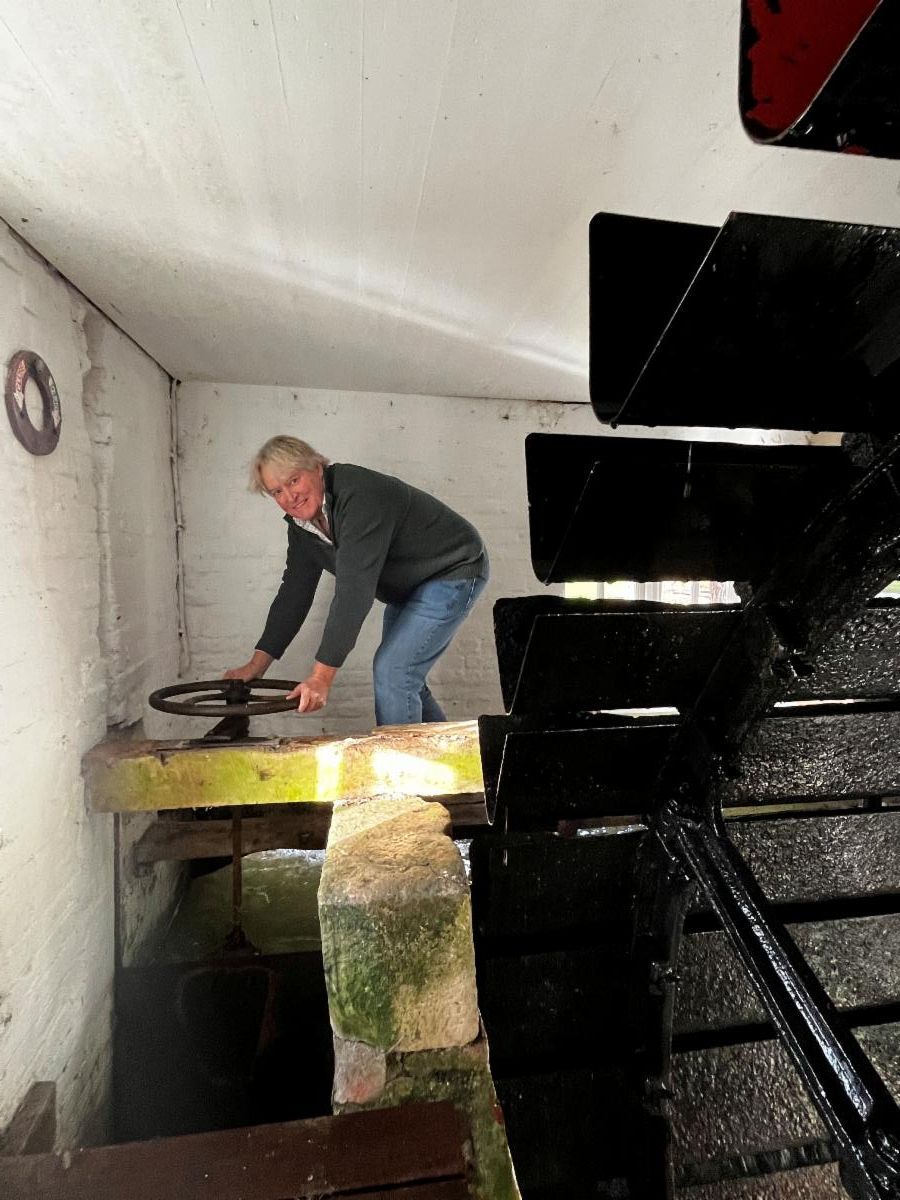
A daily winter task: adjusting the mill race gate

That was the month that was April


You might almost be forgiven to thinking we were in a drought such has been the dryness for March and April which has my river brain falling between two stools.


The river manager side of me delights in drying river banks having been sloshing around in mud just eight weeks ago with the prospects of an easy start to the season slight. However, with March recording something around half average rainfall and April something closer to a third that slight chance has become a certainty. However, for all the underfoot benefits, I would like normal rainfall service to resume sometime soon to allay that the other half of my brain that worries about river flows.


Despite near perfect rivers and weather as the season opened in April the fishing was really tough. The fish flatly refused to wake up; even on the trout lake here at The Mill, the stocked rainbows sulked day after day. My personal theory is the cold: our usual abundant display of wonderful yellow flag irises has been pitiful with not a bloom in April and May.


Anyway, enough of the past except to say that our April Feedback Draw winner is Bryn Gifford who fished Abbots Worthy on the River Itchen. A selection of Nigel Nunn’s mayflies are on their way to you!

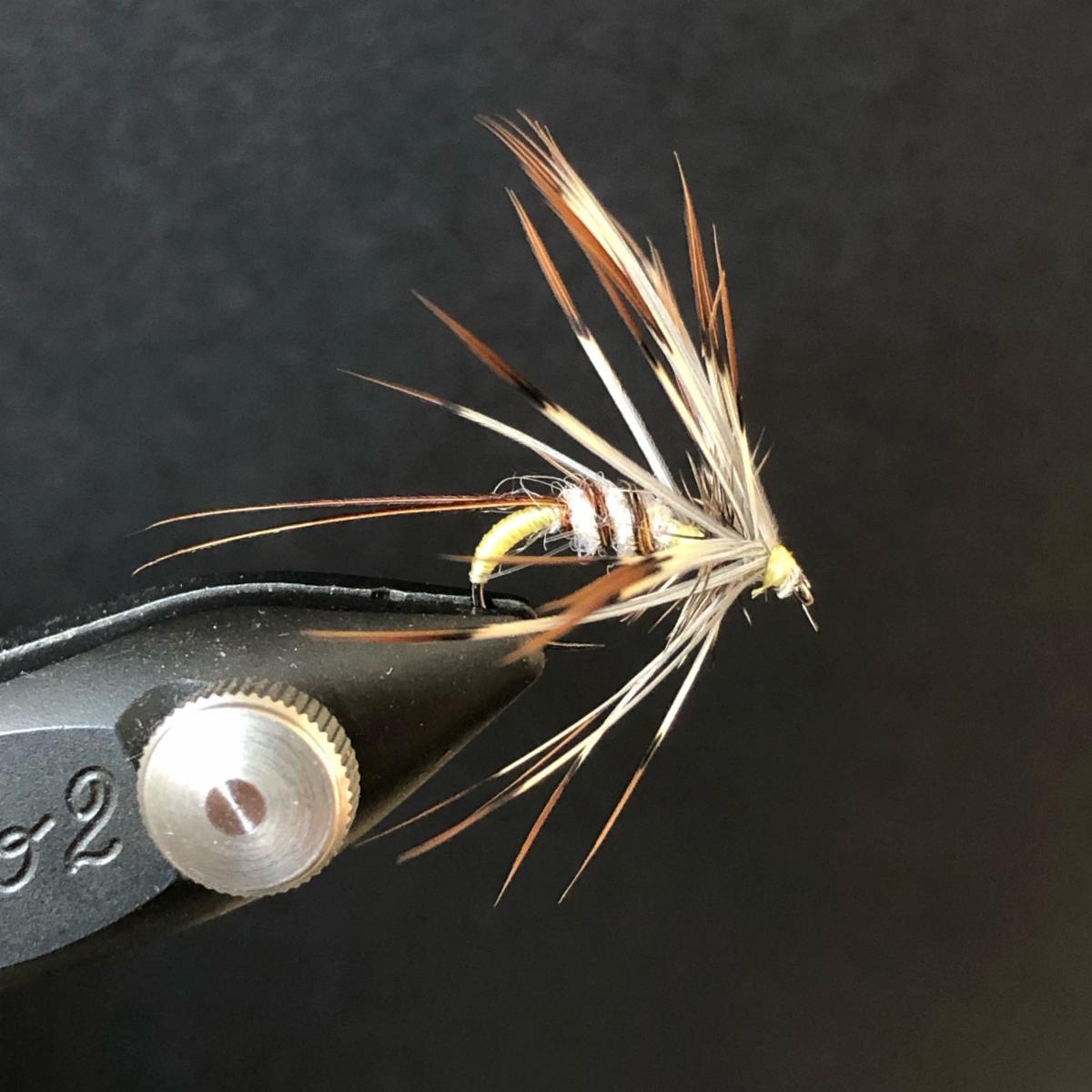
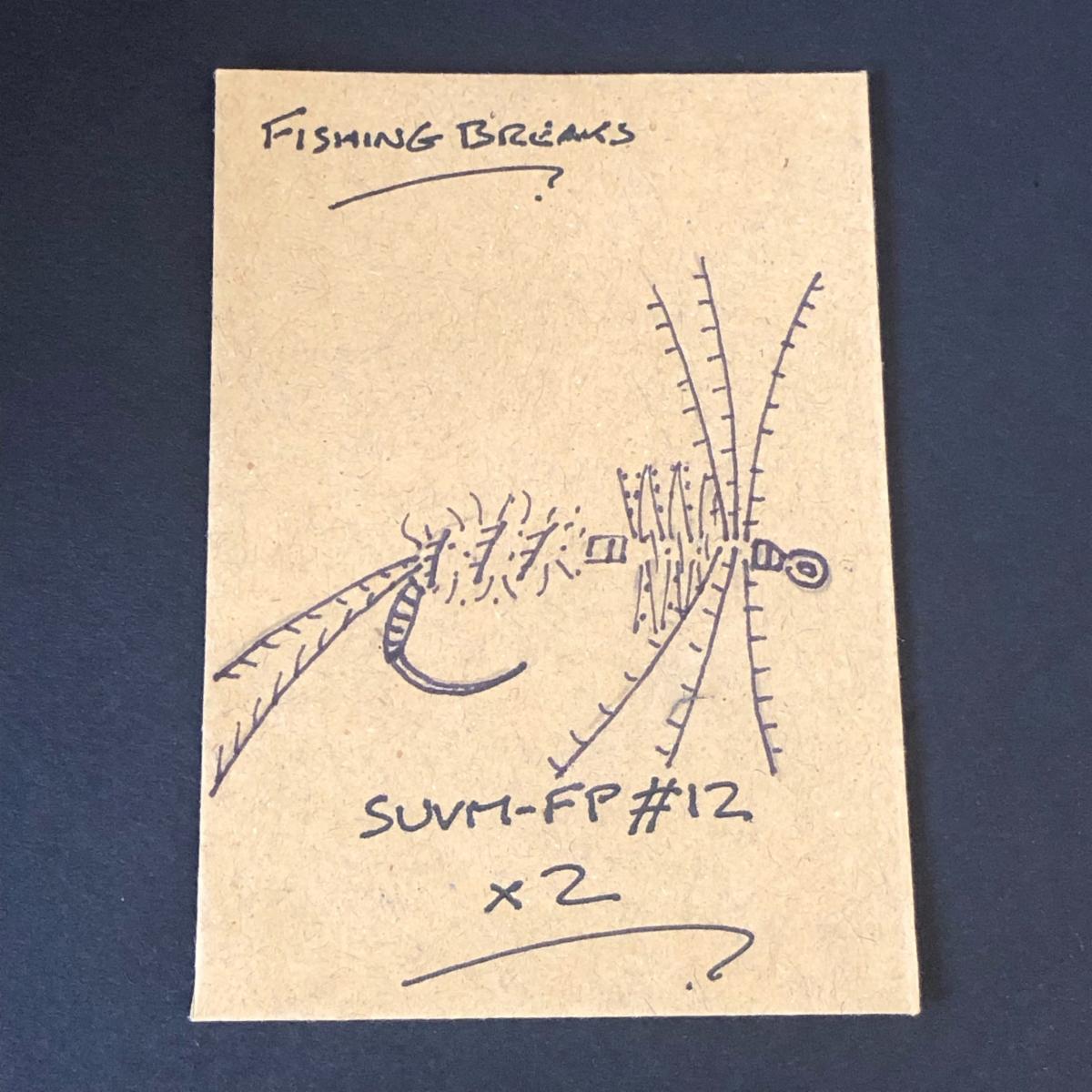
The Shaggy UV Mayfly French Partridge one of four patterns and eight flies for the Mayfly winner

Quiz


A short selection of questions based on the topics in this newsletter, the date today or something topical.


1)     What ended on this day in 1945?


2)     The chemical trimethylamine creates the pungent, sickly odour of which hedgerow plant that flowers in May?


3)     If you are a duffer in Britian you are an incompetent, ineffectual, or clumsy person. What would you be in Australia?


It is just for fun and the answers are below.


Have a good weekend.


Best wishes,

Simon Signature

Check & book dates here

Simon Cooper simon@fishingbreaks.co.uk

Founder & Managing Directorwww.fishingbreaks.co.uk

Quiz answers:


1)     V-E Day: World War II ends in Europe

2)     The hawthorn, the chemical which is an attractor for pollinators

3)     A cattle rustler

No comments:

Post a Comment